
The Social Network and the Violence of Turning Status Into a Product
Fincher and Sorkin make ambition move fast enough to feel intoxicating, then show how quickly that speed turns relationships into collateral.

The Social Network remains one of the sharpest movies about modern ambition because it understands that platform power begins as social sorting. Before Facebook becomes infrastructure, the film shows it as a machine for grievance, ranking, exclusion, and proximity to the right rooms.
Velocity as Character Judgment
One reason the movie feels so alive is that Sorkin’s talk and Fincher’s direction move at the speed of competitive thought. Scenes do not merely tell you these people are smart and insecure. Their rhythm makes insecurity look like a performance enhancement.
Friendship Rewritten as Leverage
The sting of the movie is that betrayal here is rarely theatrical. It happens through dilution, legal language, strategic silence, and the gradual replacement of friendship with usefulness. That is what makes the film feel colder on repeat viewings.
Why It Keeps Getting More Relevant
The Social Network aged upward because the movie saw status extraction before the full social consequences were obvious. It is not just about one founder or one company. It is about a culture where resentment, aspiration, and scale become mutually reinforcing businesses.
The Social Network
2010 • David Fincher
You don’t get to 500 million friends without making a few enemies.
Movies to pair with this read





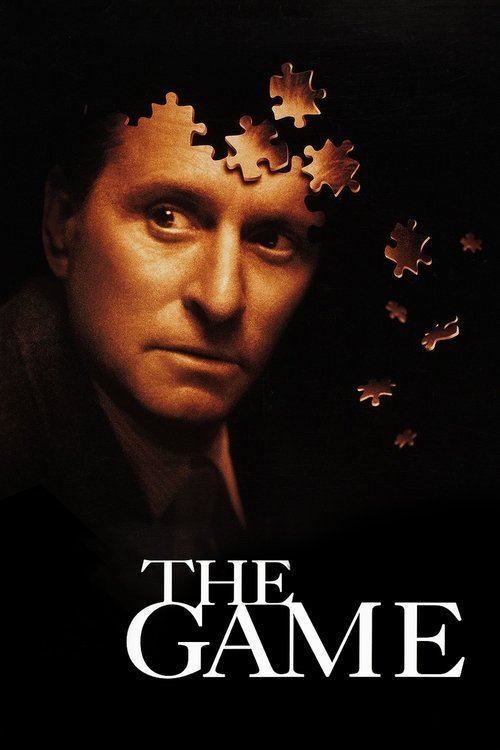
The Game and the Seduction of Letting a System Break You on Purpose
Fincher’s luxury paranoia machine still lands because every escalation turns wealth, control, and self-protection into liabilities instead of armor.

The Girl with the Dragon Tattoo and the Cold Pleasure of Watching Procedure Cut Through Rot
Fincher’s Dragon Tattoo remake endures because research, pattern recognition, and bruised trust become as gripping as any chase scene.
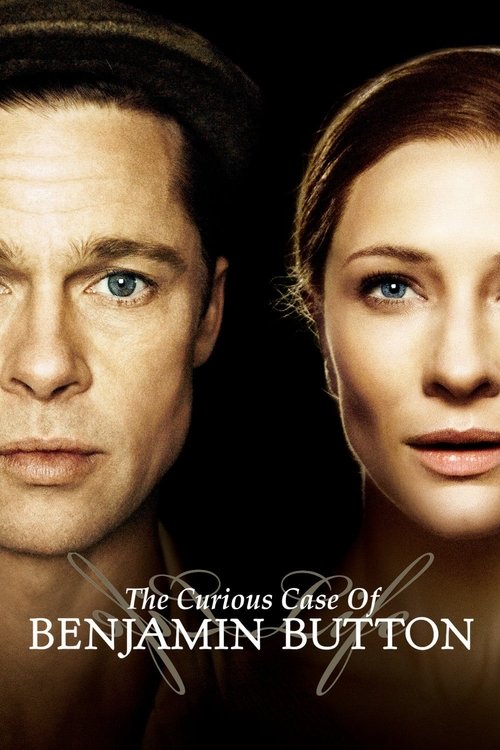
The Curious Case of Benjamin Button and the Sadness of Meeting Life Out of Sequence
Benjamin Button matters because Fincher treats the reverse-aging premise less like a trick than a way to make timing itself feel tragic.
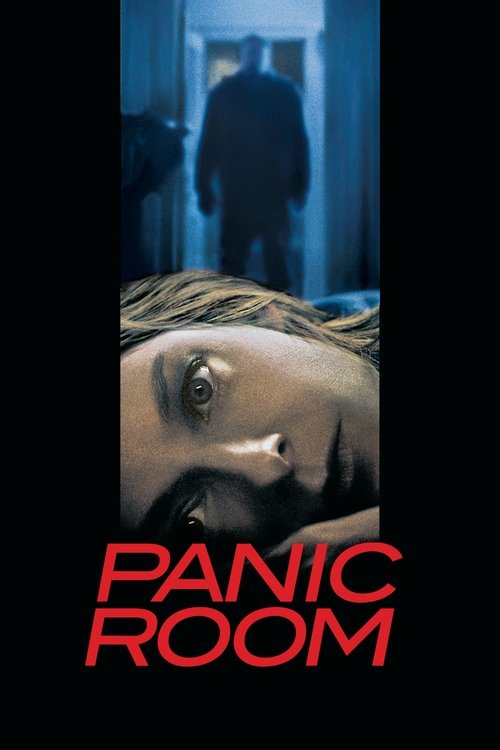
Panic Room and the Virtue of Making Architecture Do the Panicking
Panic Room works because Fincher turns walls, sightlines, and delays into the whole suspense engine instead of treating them as setup for louder thrills.