
The Social Network
Find the movies with rewatch gravity, live dossiers, and unfinished cases worth deepening.
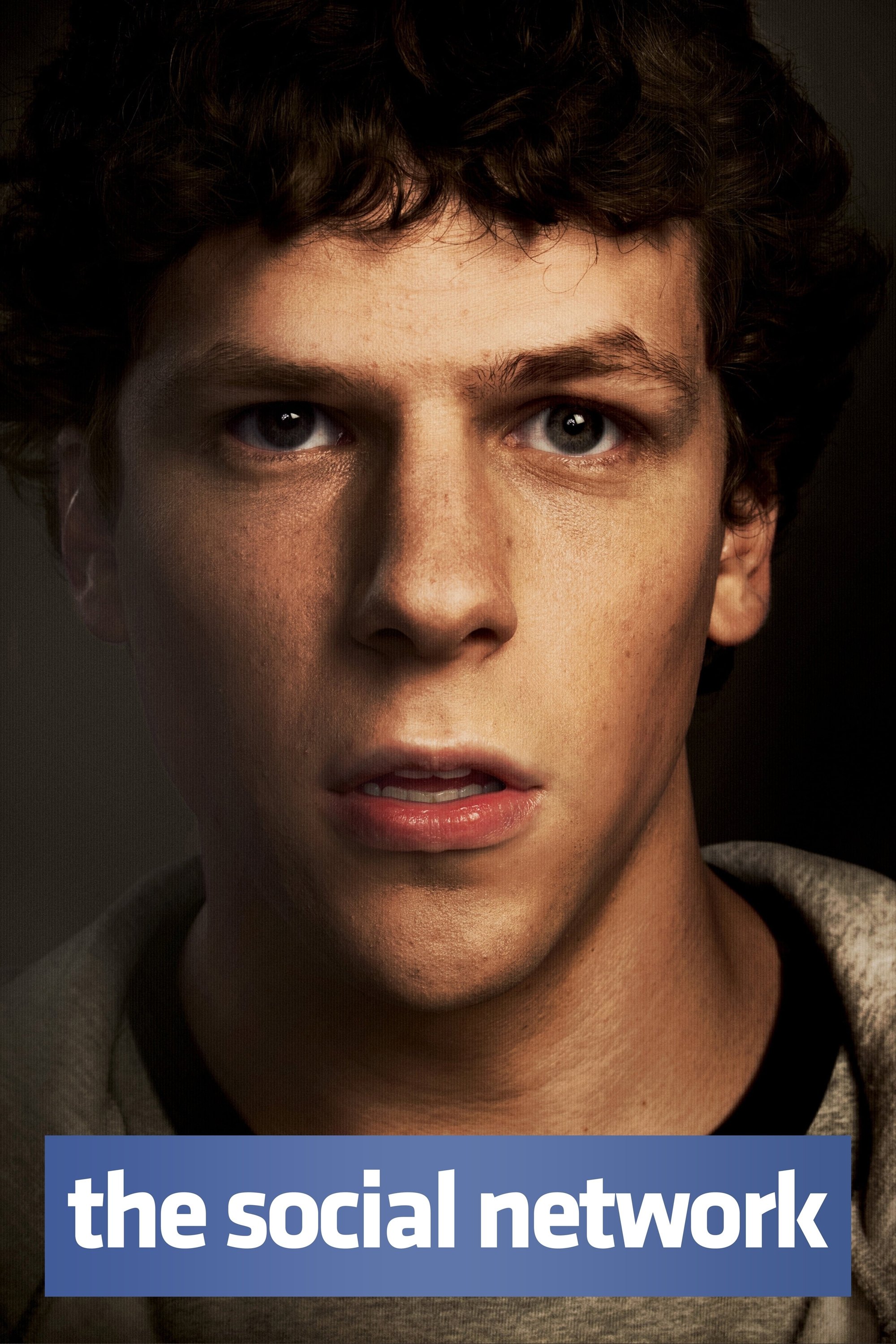
Movie dossier
The Social Network
Fincher and Sorkin turn the Facebook origin story into a speed-drunk status tragedy: lawsuits, code, betrayal, and loneliness with a cursor blinking at the end.
Latest video signal
Trailer slot ready
A widescreen slot for the newest official trailer, interview, or scene signal when the page has a playable source.
Why it matters
The Social Network is a flagship Cinema One page because it is not just a good movie about a famous company. It is a control-system movie about status hunger: conversation becomes combat, coding becomes revenge, friendship becomes equity, and every room has someone trying to prove they are the smartest person in it. The rewatch charge is the machinery. Sorkin gives the movie velocity; Fincher gives that velocity a cold surface; Reznor and Ross make the success story sound haunted before anyone in the room is willing to admit what was lost.
Craft read
Deposition structure turns memory into a courtroom machine, letting every triumph arrive already cross-examined
Status is the oxygen supply: Harvard clubs, founder mythology, venture money, authorship credit, and friendship all become ranking systems
The first watch feels like momentum; the second shows how precisely the movie plants its emptiness under the speed
Themes
Cast and context
Coverage status
A fully shaped Cinema One case: the movie has enough authored context, pathway links, and argument to feel like more than a catalog entry.
Production notes
- • Filmmaker Magazine’s 2020 Cronenweth interview gives the page its clearest craft key: the early RED Mysterium X sensor pushed the movie toward darker rooms, cooler tones, low-light exteriors, and a visual world where technological limitation became story atmosphere.
- • Cronenweth also describes the opening breakup and deposition material as coverage problems built around Sorkin’s speed: multiple cameras, tight eyelines, and editorial flexibility let Fincher preserve overlap without making the movie feel visually anonymous.
- • The Television Academy’s Reznor/Ross interview frames The Social Network score as their first major film-score language: character-based, song-based, and emotionally precise enough to win the Oscar while making the movie’s rise feel uneasy rather than victorious.
- • The film’s craft case is that every department turns friction into form: dialogue races, images cool down, the score curdles, and the deposition structure keeps reminding viewers that the origin myth is already evidence.
Watch-next pathway
What should you do after The Social Network?
Three intentional continuations: stay with the filmmaker, chase the dominant pressure signal, or jump into the shelf or argument that best explains why this movie belongs here.
Fight Club
The cleanest next move if David Fincher's control, obsessions, or rhythm are what hooked you here.
More ambition
Use the taste map to find movies, arguments, and shelves that share this page's strongest signal.
Status Traps
Ambition, reputation management, and movies where climbing the ladder quietly poisons the people doing it.
Movie-page argument
Defend The Social Network.
If this movie has a scene, performance, ending, or idea people underrate, make the case. The best defenses can become future Cinema One argument material.
Scene challenge
Pick the scene that proves it.
Cinema One is built around scenes that unlock the movie. Tell us which moment carries the pressure, style, argument, or rewatch charge.
Production file
How the movie became this object
The digital surface is part of the diagnosis
The movie’s coldness is not just Fincher polish. Cronenweth’s account of the RED Mysterium X limitations matters because it explains why the image feels like privilege under glass: dorm rooms, clubs, deposition suites, and night streets all have a controlled chill that matches the story’s emotional temperature.
The score makes success sound infected
Reznor and Ross do not score Facebook as triumph. They score acceleration, envy, dread, and private disconnection. That is why the movie never becomes a clean founder myth. Even when the characters are winning, the music keeps suggesting that something human has already been traded away.
Scene architecture
The moments that change the machine
Opening breakup: the whole operating system in five minutes
The first scene is not merely setup. It is the movie in miniature: speed as armor, intelligence as aggression, class anxiety as wound, and attention as the thing Zuckerberg wants but cannot give. Erica does not just reject him; she names the social defect the rest of the movie will turn into infrastructure.
Henley Royal Regatta: old money as silent pressure
The rowing sequence matters because it lets the Winklevoss world explain itself without exposition. Bodies move in perfect rhythm, tradition is photographed like architecture, and Reznor/Ross turn elite competition into something almost mechanical. The twins are not fools; they are products of a system being outrun by another system.
Final refresh: the empire shrinks to one gesture
The ending works because Fincher refuses a speech. After all the legal rooms, club doors, equity fights, and billion-dollar mythology, the movie leaves Zuckerberg alone with a friend request. The smallest user action becomes the clearest verdict.
Signature scene: the opening breakup turns dialogue into a pressure room
The first scene tells you nearly everything. Pace, status panic, class resentment, and verbal brilliance are already colliding, but the key is emotional asymmetry: Mark treats conversation like a ranking game while Erica keeps trying to have an actual exchange. Fincher directs it like a duel whose consequences will echo through the whole film because the wound becomes the product.
Line worth carrying forward
"You have part of my attention, you have the minimum amount" crystallizes the movie’s whole diagnosis of intelligence without empathy. It is funny, cruel, and incredibly revealing in one stroke because the insult is also a business model: attention gets divided, measured, monetized, and mistaken for connection.
Why the ending lingers
The final image lands because it is so small after all that velocity. Zuckerberg refreshing the friend request gives the movie a human emptiness the boardrooms and lawsuits were circling all along. The site has been built, the fortune is inevitable, the mythology is underway, and the one thing he still wants has been reduced to waiting for a notification.
Steelman the debate
One reasonable critique is that The Social Network mythologizes Facebook’s creation too elegantly, turning messy social harm into cool velocity and making tech ambition look more seductive than it deserves. The best defense is that the elegance is the diagnosis. Fincher makes ambition seductive on purpose so the emotional vacancy underneath it can register even harder. The movie is not saying the platform is noble. It is asking why the origin story felt so thrilling before the bill came due.
More from this director
Related picks
Read next
Fincher and Sorkin make ambition move fast enough to feel intoxicating, then show how quickly that speed turns relationships into collateral.
Benjamin Button matters because Fincher treats the reverse-aging premise less like a trick than a way to make timing itself feel tragic.
Fincher’s Dragon Tattoo remake endures because research, pattern recognition, and bruised trust become as gripping as any chase scene.