
Mank
Find the movies with rewatch gravity, live dossiers, and unfinished cases worth deepening.
Movie dossier
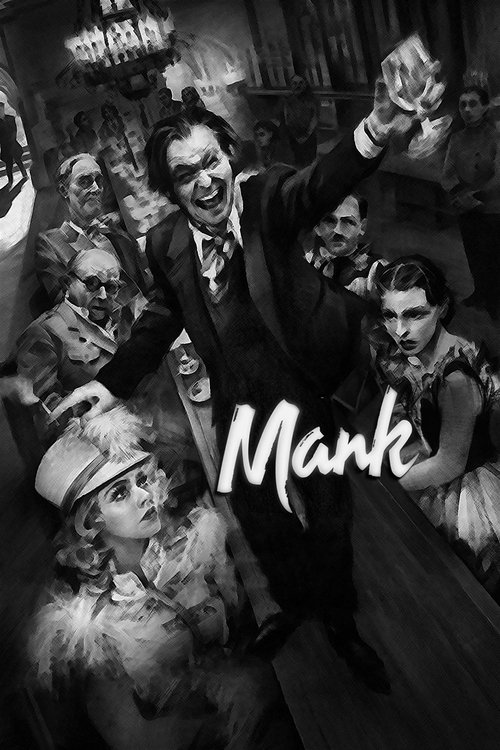
Mank
Old Hollywood politics, authorship warfare, and memory drift filtered through Fincher’s craft obsession.
Latest video signal
Trailer slot ready
A widescreen slot for the newest official trailer, interview, or scene signal when the page has a playable source.
Why it matters
Mank matters because it is Fincher turning toward film history, not as museum worship but as a fight over authorship, industry power, and the stories Hollywood tells about itself. It is one of the clearest late-career side roads in his filmography.
Craft read
Period writing drama staged as a bitter memory piece
Studio-era illusion rebuilt through modern control
A key page for understanding his relationship to cinema history and authorship
Themes
Cast and context
Coverage status
A fully shaped Cinema One case: the movie has enough authored context, pathway links, and argument to feel like more than a catalog entry.
Production notes
- • Important partly because it reflects Fincher engaging with a script by his father, which gives the project unusual personal weight.
- • Best treated as a film-history and authorship page, not only an awards-season artifact.
- • Useful for Cinema One because it broadens the site beyond thrillers into movie-about-movies territory.
Watch-next pathway
What should you do after Mank?
Three intentional continuations: stay with the filmmaker, chase the dominant pressure signal, or jump into the shelf or argument that best explains why this movie belongs here.
Fight Club
The cleanest next move if David Fincher's control, obsessions, or rhythm are what hooked you here.
More authorship
Use the taste map to find movies, arguments, and shelves that share this page's strongest signal.
Manufactured Dreams
Movies about performance, mythmaking, show-business machinery, and the strange cost of turning fantasy into public image.
Movie-page argument
Defend Mank.
If this movie has a scene, performance, ending, or idea people underrate, make the case. The best defenses can become future Cinema One argument material.
Scene challenge
Pick the scene that proves it.
Cinema One is built around scenes that unlock the movie. Tell us which moment carries the pressure, style, argument, or rewatch charge.
Signature scene: Mank weaponizes dinner-table talk against power
Mank is most alive when wit turns into class warfare in real time. The dinner-party confrontations matter because Fincher makes language, performance, and industry access feel like instruments of both seduction and humiliation.
Line worth carrying forward
The key line in Mank is less a single quotable barb than the whole movie’s argument that authorship is never just a credit line. It is money, power, myth, and who gets remembered as the organizing intelligence behind the image.
Why the ending is more acidic than nostalgic
Mank closes by clarifying that recognition in Hollywood is inseparable from politics and self-invention. Fincher does not let the film settle into affectionate period recreation. He pushes it back toward bitterness, damage, and the price of getting written into history at all.
Steelman the debate
The sharpest critique is that Mank can feel like an exquisitely mounted awards-season object, admired for its references more than loved for its dramatic life. The strongest defense is that its dryness is strategic. Fincher is making a movie about wit, credit, resentment, and institutional memory, and the slightly bitter remove is part of how it thinks.
More from this director
Related picks
Read next
Benjamin Button matters because Fincher treats the reverse-aging premise less like a trick than a way to make timing itself feel tragic.
Fincher’s Dragon Tattoo remake endures because research, pattern recognition, and bruised trust become as gripping as any chase scene.
Panic Room works because Fincher turns walls, sightlines, and delays into the whole suspense engine instead of treating them as setup for louder thrills.