The Wizard of Oz
Find the movies with rewatch gravity, live dossiers, and unfinished cases worth deepening.
Movie dossier
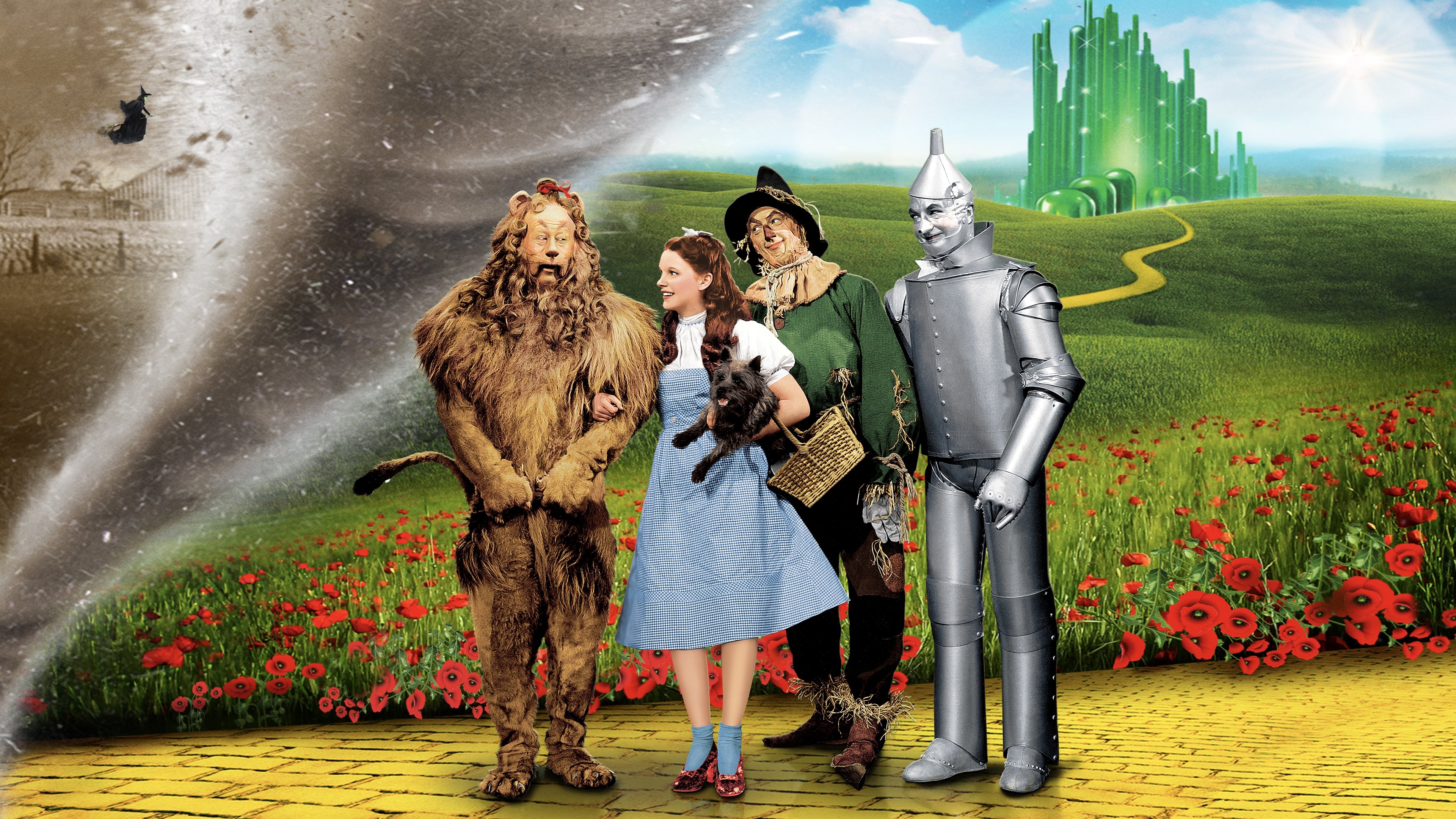
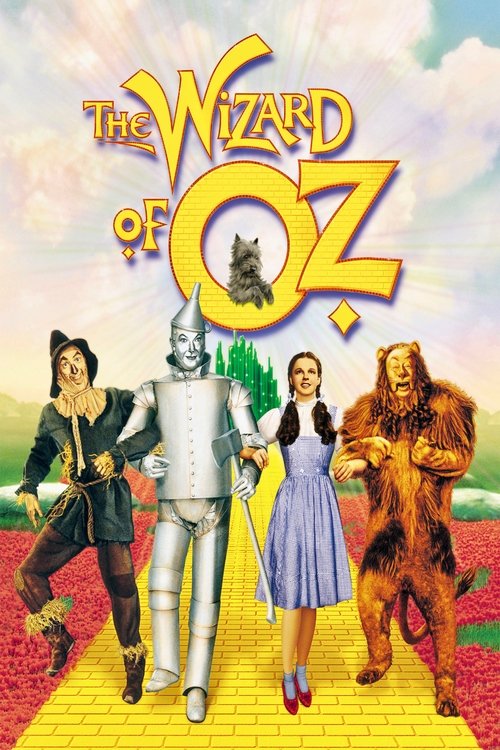
The Wizard of Oz
A foundational American fantasy where studio artifice, childhood terror, and the dream of elsewhere become inseparable.
Latest video signal
Trailer slot ready
A widescreen slot for the newest official trailer, interview, or scene signal when the page has a playable source.
Why it matters
The Wizard of Oz matters because it is one of the clearest examples of classical Hollywood building an entire imaginative world sturdy enough to enter culture as common language. The film’s durability comes not only from songs or iconography, but from the way it makes longing, fear, wonder, and homecoming legible with almost impossible clarity.
Craft read
Kansas austerity giving way to Technicolor dream-space remains one of cinema’s great threshold effects
Dorothy’s desire, fear, and homesickness keep the fantasy grounded and portable
An all-time canonical fantasy text with imagery that became cultural shorthand
Themes
Cast and context
kansas • tornado • yellow brick road • ruby slippers • judy garland • technicolor
Coverage status
A fully shaped Cinema One case: the movie has enough authored context, pathway links, and argument to feel like more than a catalog entry.
Production notes
- • Judy Garland’s emotional directness is the film’s anchor because Oz has to feel enchanting without losing the child’s vulnerability inside it.
- • The practical sets, matte work, and costume imagination are central to the movie’s continuing magic because they make artificiality tactile instead of disposable.
- • A crucial Cinema One page because canon should include movies that taught generations how cinema could become dream-space.
Watch-next pathway
What should you do after The Wizard of Oz?
Three intentional continuations: stay with the filmmaker, chase the dominant pressure signal, or jump into the shelf or argument that best explains why this movie belongs here.
More home
Use the taste map to find movies, arguments, and shelves that share this page's strongest signal.
Manufactured Dreams
Movies about performance, mythmaking, show-business machinery, and the strange cost of turning fantasy into public image.
Movie-page argument
Defend The Wizard of Oz.
If this movie has a scene, performance, ending, or idea people underrate, make the case. The best defenses can become future Cinema One argument material.
Scene challenge
Pick the scene that proves it.
Cinema One is built around scenes that unlock the movie. Tell us which moment carries the pressure, style, argument, or rewatch charge.
Signature scene: Dorothy steps into Oz and color becomes destiny
The doorway reveal still astonishes because it is more than a technical flex. The moment gives physical form to longing itself, turning the wish for elsewhere into a visible world while quietly preserving the sense that wonder and danger have arrived together.
Line worth carrying forward
"There's no place like home" survives because the film earns its simplicity. After all the spectacle, creatures, detours, and temptations, the line lands not as anti-adventure retreat but as hard-won emotional recognition.
Why the ending still works after so much myth
The Wizard of Oz lands because it lets homecoming feel transformed rather than merely restored. Dorothy returns to the same place, but the movie has changed the value of ordinary life by forcing her through a dream where courage, care, and self-knowledge had to be discovered in theatrical form first.
Steelman the debate
A fair critique is that Oz’s overwhelming familiarity can make it seem more like inherited monument than living movie, especially for viewers encountering it after decades of cultural quotation. The strongest defense is that the monument status was earned through craft. Its songs, transitions, emotional clarity, and visual invention are not just historically important; they still teach how fantasy can feel immediate.
Shows up in
Movies about performance, mythmaking, show-business machinery, and the strange cost of turning fantasy into public image.
Movies about identity under construction, feminine self-authorship, and the pressure to turn feeling, ambition, and image into a life.
More from this director
Related picks
Read next
The Wizard of Oz still feels alive because it makes fantasy tactile, frightening, and emotionally precise instead of merely whimsical.
The real reason to track Dune: Messiah early is that it could force blockbuster franchise culture to sit inside consequence instead of momentum.
Fincher’s Dragon Tattoo remake endures because research, pattern recognition, and bruised trust become as gripping as any chase scene.