The Crow
Find the movies with rewatch gravity, live dossiers, and unfinished cases worth deepening.
Movie dossier
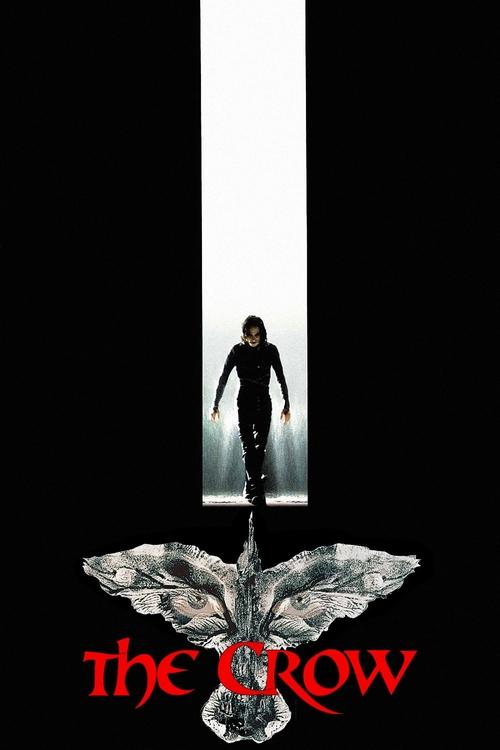
The Crow
Alex Proyas turns a revenge comic into rain, grief, guitar feedback, and Brandon Lee's wounded screen myth.
Latest video signal
Trailer slot ready
A widescreen slot for the newest official trailer, interview, or scene signal when the page has a playable source.
Why it matters
The Crow matters here because it gives the Thomas Library Spine a different kind of cult rewatch engine: not tactical action, not superhero world-building, but a gothic pressure room where grief has nowhere civilized to go. The movie is easy to misremember as only makeup, rain, and tragedy. What keeps it alive is the control of tone: every rooftop, alley, fire, and needle-drop turns Eric Draven into a ghost of unfinished love rather than a clean vengeance machine.
Craft read
A murdered musician returns for one night of supernatural payback, but the shape is closer to mourning ritual than victory lap
The city feels permanently wet, corrupt, and vertical, so every act of revenge plays like a flare inside a dead machine
The first watch remembers the iconography; repeat watches notice how much Brandon Lee gives Eric gentleness between the violence
Themes
Cast and context
gothic revenge • brandon lee • alex proyas • comic book • devils night • cult soundtrack • rain-soaked city
Coverage status
A strong case file with real editorial shape: enough craft, context, and connection to guide a serious watch.
Production notes
- • The Guardian's 30th-anniversary piece quotes producer Jeff Most on discovering James O'Barr's comic, facing dozens of studio passes because the material was considered too dark, and setting the opening around Detroit's Devil's Night to make the city's evil feel concretized rather than generic.
- • The same Guardian interview records Brandon Lee's fatal on-set accident late in production, which is impossible to separate from the film's afterlife but should not flatten the movie into trivia; the performance still has its own charge, humor, and wounded grace.
- • AFI Catalog lists the May 1994 Los Angeles and New York openings, runtime, and detective/fantasy framework, a useful reminder that the movie arrived before comic-book cinema had a stable adult-goth lane to file it under.
Watch-next pathway
What should you do after The Crow?
Three intentional continuations: stay with the filmmaker, chase the dominant pressure signal, or jump into the shelf or argument that best explains why this movie belongs here.
More grief
Use the taste map to find movies, arguments, and shelves that share this page's strongest signal.
Rewatchables
Movies built for return visits, momentum, quotability, texture, and pure replay value.
Movie-page argument
Defend The Crow.
If this movie has a scene, performance, ending, or idea people underrate, make the case. The best defenses can become future Cinema One argument material.
Scene challenge
Pick the scene that proves it.
Cinema One is built around scenes that unlock the movie. Tell us which moment carries the pressure, style, argument, or rewatch charge.
Signature scene: Eric comes home and the apartment becomes a wound
The return to the ruined apartment is where the movie stops being only a revenge setup. Eric touches the room like memory has become evidence: broken objects, flashes of Shelly, pain turning into motion. The scene works because Proyas lets grief distort time before the killing starts, so the violence that follows feels powered by loss instead of swagger.
Line worth carrying forward
“It can't rain all the time.” The line survives because it is not tough. It is the movie's small mercy note inside all the leather, smoke, and gunfire: a promise that grief is weather, not the entire sky.
Why the ending needs tenderness after revenge
The ending works because the movie refuses to let payback be the final emotion. Eric's mission clears a path back toward Shelly, Sarah, and a fragile idea of care. The bodies matter less than the release: vengeance is the route, but reunion and protection are the ache underneath it.
Steelman the debate
The fair knock is that The Crow can look trapped in mid-90s goth cool: rain machines, guitar poses, stylized villains, the whole black-leather church. The defense is that the style is the feeling. Strip away the pose and you lose the movie's best argument — that grief sometimes needs an image loud enough to survive the night.
More from this director
Related picks
Read next
Fincher’s Dragon Tattoo remake endures because research, pattern recognition, and bruised trust become as gripping as any chase scene.
Panic Room works because Fincher turns walls, sightlines, and delays into the whole suspense engine instead of treating them as setup for louder thrills.
Fincher’s luxury paranoia machine still lands because every escalation turns wealth, control, and self-protection into liabilities instead of armor.