
Ed Wood
Find the movies with rewatch gravity, live dossiers, and unfinished cases worth deepening.

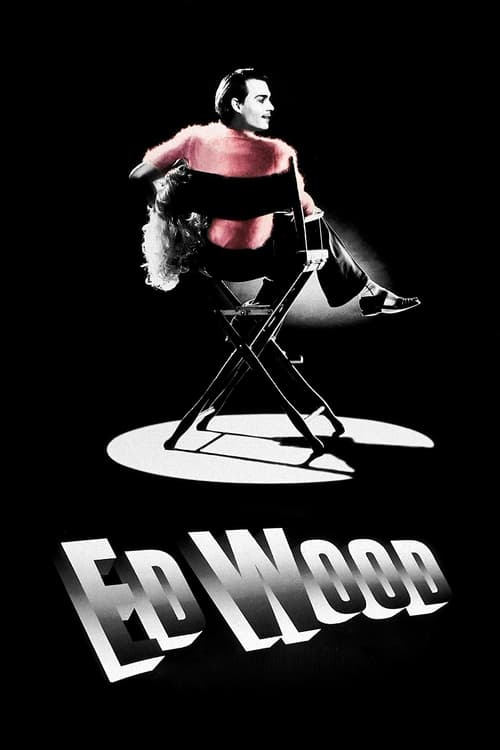
Movie dossier
Ed Wood
Burton’s warmest and maybe most generous film, a black-and-white ode to terrible movies, stubborn belief, and handmade outsider art.
Latest video signal
Trailer slot ready
A widescreen slot for the newest official trailer, interview, or scene signal when the page has a playable source.
Why it matters
Ed Wood matters because it refuses the easy superiority a bad-movie biopic could lean on. Burton and the writers treat Wood not as a punchline but as a true believer, making the film into a surprisingly moving argument for artistic compulsion even when taste, money, and skill are not on your side.
Craft read
Affectionate comedy and melancholy biography held together without condescension
Black-and-white studio homage used to honor B-movie dreamers rather than parody them from above
Johnny Depp plays Wood as sincere momentum personified, not cynical fraud
Themes
Cast and context
filmmaker • plan 9 • bela lugosi • hollywood • biography • b movies
Coverage status
A fully shaped Cinema One case: the movie has enough authored context, pathway links, and argument to feel like more than a catalog entry.
Production notes
- • Martin Landau’s Bela Lugosi gives the film some of its deepest feeling because decline and dignity are always tangled together in the performance.
- • Burton’s empathy is the real surprise; the movie adores cinematic misfits without pretending incompetence is secret genius.
- • A valuable Cinema One page because the site should have room for movies about making movies badly but loving them correctly.
Watch-next pathway
What should you do after Ed Wood?
Three intentional continuations: stay with the filmmaker, chase the dominant pressure signal, or jump into the shelf or argument that best explains why this movie belongs here.
More outsider art
Use the taste map to find movies, arguments, and shelves that share this page's strongest signal.
Manufactured Dreams
Movies about performance, mythmaking, show-business machinery, and the strange cost of turning fantasy into public image.
Movie-page argument
Defend Ed Wood.
If this movie has a scene, performance, ending, or idea people underrate, make the case. The best defenses can become future Cinema One argument material.

Scene challenge
Pick the scene that proves it.
Cinema One is built around scenes that unlock the movie. Tell us which moment carries the pressure, style, argument, or rewatch charge.
Signature scene: Wood and Lugosi on the late-night street become a fellowship of the discarded
Ed Wood’s soul lives in the scenes where filmmaking ambition and personal loneliness meet. The late-night conversations matter because Burton makes these men feel less like eccentric curiosities than like artists and survivors trying to keep each other visible.
Line worth carrying forward
"Visions are worth fighting for. Why spend your life making someone else's dreams?" The line lands because it states the movie’s creed without irony. Ed Wood believes with embarrassing intensity, and Burton asks you to see the dignity inside that embarrassment.
Why the ending feels triumphant and sad at once
Ed Wood closes beautifully because it lets artistic perseverance feel real even while history tells you how limited the victory is. The film honors the rush of getting the work made, then leaves you with the ache of knowing belief does not guarantee protection, mastery, or permanence.
Steelman the debate
A plausible critique is that Ed Wood romanticizes incompetence and turns exploitation-era ugliness into whimsical inspiration. The strongest defense is that the movie is not claiming the films were secretly masterpieces. It is defending the pathos and courage of trying to create at all, especially inside a system built to sort dreamers into winners and jokes.
More from this director
Related picks
Read next
Tim Burton’s warmest film matters because it refuses to mock creative compulsion from a superior distance.
Benjamin Button matters because Fincher treats the reverse-aging premise less like a trick than a way to make timing itself feel tragic.
Nolan’s historical drama feels so alive because it treats hearings, conversations, and scientific breakthroughs like stages of the same moral detonation.