
Fear and Loathing in Las Vegas
Find the movies with rewatch gravity, live dossiers, and unfinished cases worth deepening.
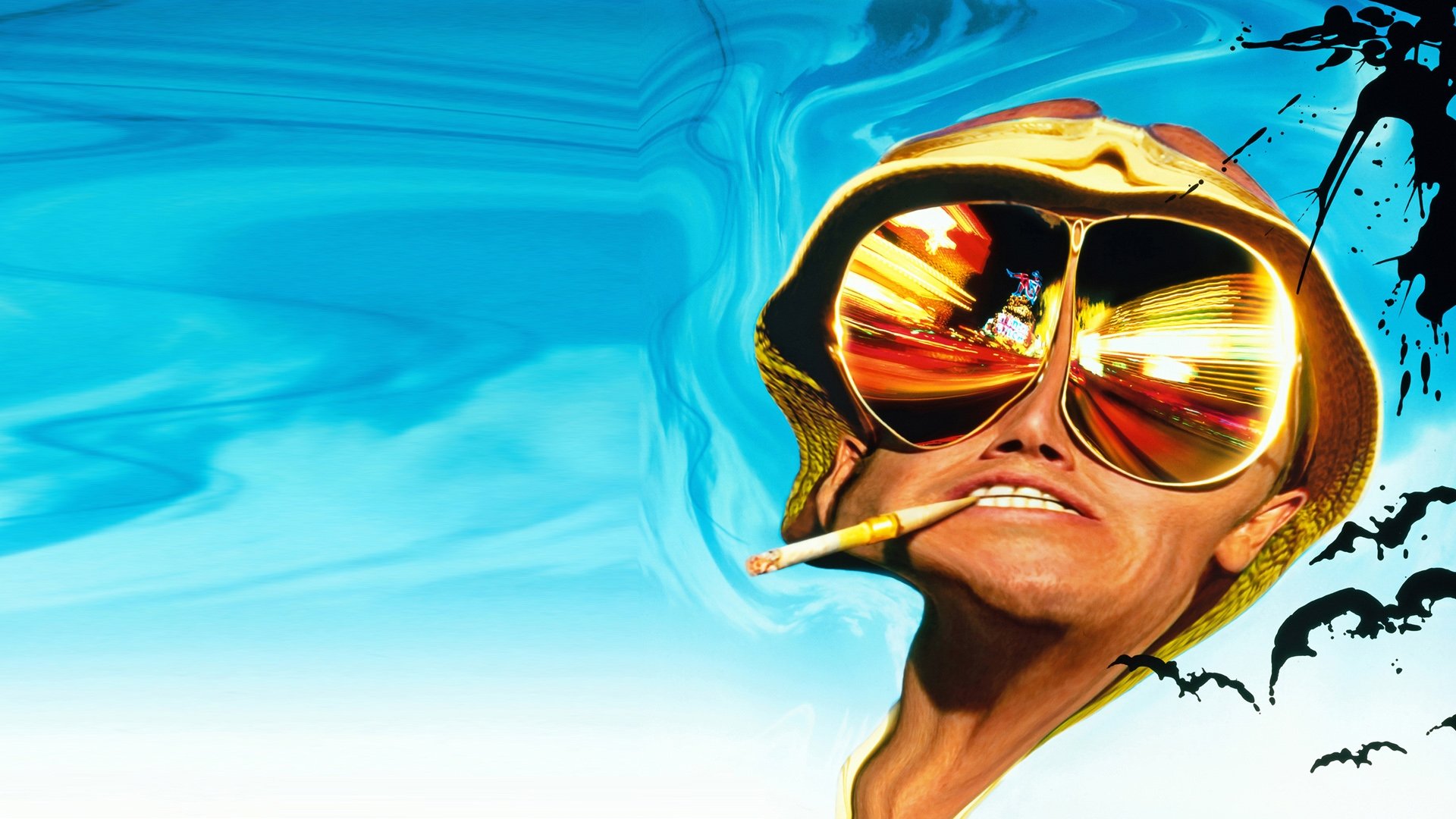
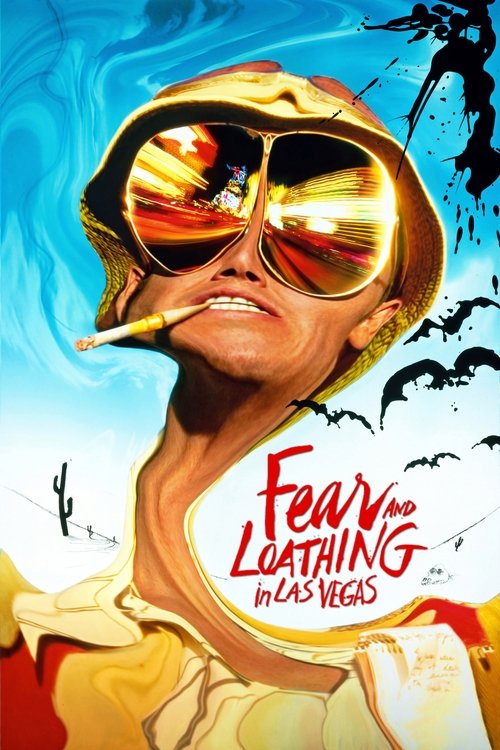
Movie dossier
Fear and Loathing in Las Vegas
Gilliam turns Hunter S. Thompson’s gonzo breakdown into a grotesque American road hallucination.
Latest video signal
Trailer slot ready
A widescreen slot for the newest official trailer, interview, or scene signal when the page has a playable source.
Why it matters
Fear and Loathing in Las Vegas matters because it refuses to sand madness down into conventional adaptation shape. Terry Gilliam embraces the material’s nausea, speed, and self-destruction, making the movie less a clean translation than a hostile environment viewers have to survive.
Craft read
Drug delirium rendered through distortion, excess, and aggressive sensory assault
Depp and Del Toro make companionship feel toxic, funny, and weirdly loyal
A divisive but unmistakable adaptation that turned failure-to-be-tidy into part of its identity
Themes
Cast and context
drugs • las vegas • psychedelic • journalism • road trip • counterculture
Coverage status
A fully shaped Cinema One case: the movie has enough authored context, pathway links, and argument to feel like more than a catalog entry.
Production notes
- • Gilliam’s visual extremity is the point because the film needs to feel chemically unstable, not elegantly literary.
- • The movie works best when it makes comedy and disgust arrive together instead of giving either clean control.
- • A strong Cinema One page because cult canon should include works that challenge audience comfort as much as they reward quote culture.
Watch-next pathway
What should you do after Fear and Loathing in Las Vegas?
Three intentional continuations: stay with the filmmaker, chase the dominant pressure signal, or jump into the shelf or argument that best explains why this movie belongs here.
More excess
Use the taste map to find movies, arguments, and shelves that share this page's strongest signal.
Cult and Oddball
The lane where personality beats polish and cult energy becomes part of the pleasure.
Movie-page argument
Defend Fear and Loathing in Las Vegas.
If this movie has a scene, performance, ending, or idea people underrate, make the case. The best defenses can become future Cinema One argument material.
Scene challenge
Pick the scene that proves it.
Cinema One is built around scenes that unlock the movie. Tell us which moment carries the pressure, style, argument, or rewatch charge.
Signature scene: the lobby lizard nightmare makes the trip feel socially apocalyptic
The reptilian hallucination sequence matters because it expands the drug joke into a full perception crisis. Gilliam turns a public space into an infernal cartoon, making America itself feel chemically warped, predatory, and absurd.
Line worth carrying forward
"We can't stop here. This is bat country." The line lasts because it turns dread into comic momentum instantly. Thompson’s whole genius for panicked bravado lives in that conversion of fear into weirdly energizing language.
Why the ending feels like a hangover instead of a cure
Fear and Loathing lands by refusing recovery fantasy. The film closes in the shadow of a failed dream, with movement exhausted and clarity no more trustworthy than intoxication, which is exactly right for a movie about the wreckage left after a culture mistakes frenzy for liberation.
Steelman the debate
The sharpest critique is that the movie can feel exhausting, hermetic, and so committed to replicating intoxicated consciousness that it forgets to build a stable dramatic anchor. The strongest defense is that instability is the dramatic anchor. Gilliam is adapting disintegration itself, and the film’s refusal to become comfortable is inseparable from its value.
More from this director
Related picks
Read next
Benjamin Button matters because Fincher treats the reverse-aging premise less like a trick than a way to make timing itself feel tragic.
The real reason to track Dune: Messiah early is that it could force blockbuster franchise culture to sit inside consequence instead of momentum.
Fincher’s Dragon Tattoo remake endures because research, pattern recognition, and bruised trust become as gripping as any chase scene.