
Tim Burton
Move through filmmaker operating systems: control, rhythm, obsession, and the pages still missing their case.

Director dossier
Tim Burton
Burton is one of modern studio cinema's most recognizable stylists, a director who turns misfits, monsters, old Hollywood artifice, and gothic whimsy into an emotional language about outsiders trying to survive inside normal-looking worlds.
A guided Tim Burton path
gothic storybook design + outsider sympathy in three moves.

Why this director matters
For Cinema One, Burton matters because Ed Wood opens a generous lane about authorship, failure, taste, and devotion. His best work lets the site talk about style without treating style as decoration: the look is usually the wound, the joke, and the shelter at once.
Signature traits
Notable works
Live on Cinema One
Tracked filmography
The feature debut, already full of handmade oddity, cartoon logic, and an outsider hero treated with real affection.
The breakthrough: death, suburbia, production design, and anarchic comedy turned into a pop-goth calling card.
A blockbuster that made comic-book scale feel operatic, expressionist, and star-driven before the modern superhero template hardened.
One of his purest emotional objects, using fairy-tale design to make loneliness, suburbia, and tenderness visible.
A stranger, kinkier, more Burtonized sequel where franchise obligation and personal grotesquerie collide.
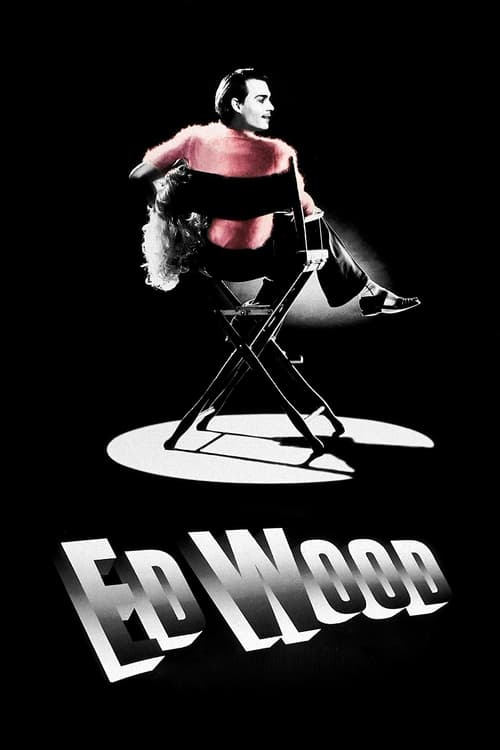
The live Cinema One anchor: a movie about bad art made with enormous craft, warmth, and belief in outsider devotion.
Open movie pageTrading-card apocalypse as nasty studio farce, closer to grotesque cartoon than heroic disaster spectacle.
Hammer horror, fog-machine atmosphere, and detective mechanics filtered through his love of theatrical darkness.
A softer fable where storytelling, family myth, and emotional reconciliation become the spectacle.
Musical Grand Guignol that lets his taste for theatrical blood and wounded outsiders sharpen into tragedy.
A return to handmade monster-movie affection, childhood grief, and the sweetness of resurrected outcasts.
A late sequel useful for tracking how Burton revisits his own iconography after decades of imitation and franchise pressure.