
Ed Wood and the Strange Beauty of Taking Artistic Devotion Seriously Even When the Work Is Terrible
Tim Burton’s warmest film matters because it refuses to mock creative compulsion from a superior distance.

Ed Wood is moving because it understands that bad art and real artistic love are not mutually exclusive. Burton makes a film about incompetence, delusion, and exploitation, but he also makes a film about fellowship and compulsion, about people who cannot stop trying to turn scraps, friendship, and fantasy into movies.
Affection Without Blindness
The movie’s generosity works because it never asks us to pretend Ed is secretly a master. He is not. The point is that Burton sees value in the force of the attempt, in what it means for a person to believe so completely in the act of making that embarrassment cannot fully stop them.
Bela Lugosi as the Movie’s Ache
Martin Landau gives the film its deepest sadness. Lugosi is not there simply to certify cult history. He turns the movie into a story about visibility, decline, and what it means to keep a person in view when the industry has already moved on.
Why the Film Keeps Growing
Ed Wood lasts because it offers a better way to talk about taste and failure. It suggests that sincerity, obsession, and communal effort can be emotionally revealing even when they do not produce greatness. That is a richer idea than easy irony, and it is why the film feels so generous on rewatch.
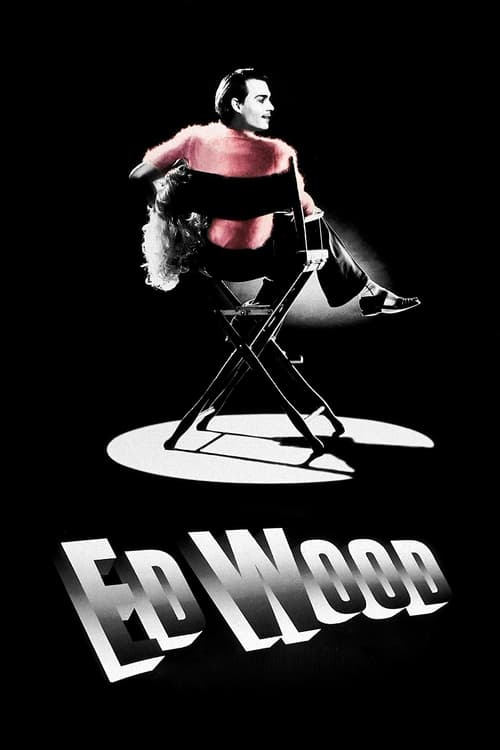
Ed Wood
1994 • Tim Burton
When it comes to making movies, Ed Wood is the one man you can count on to do his worst.
Movies to pair with this read



Manufactured Dreams
Movies about performance, mythmaking, show-business machinery, and the strange cost of turning fantasy into public image.
Professional Code
Owned-shelf movies where the pleasure is watching capable people read rooms, rules, bodies, and consequences under pressure.
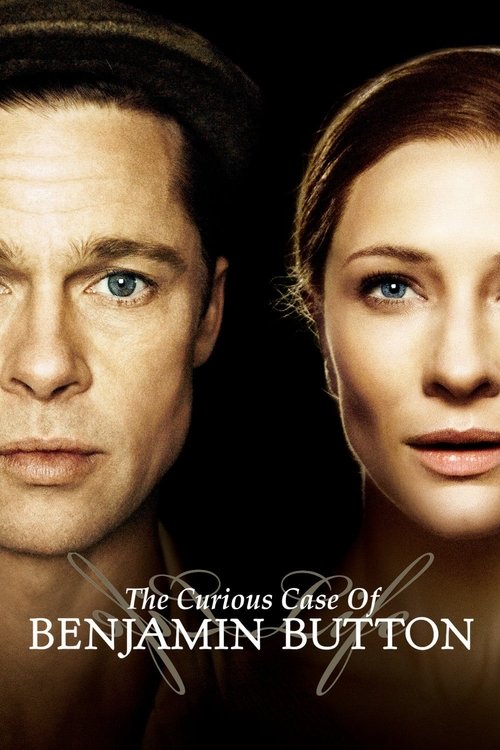
The Curious Case of Benjamin Button and the Sadness of Meeting Life Out of Sequence
Benjamin Button matters because Fincher treats the reverse-aging premise less like a trick than a way to make timing itself feel tragic.

Aliens and the Brilliant Decision to Turn Survival Horror Into Platoon Panic
Cameron’s sequel works because it does not simply supersize Ridley Scott’s terror. It rebuilds the xenomorph threat around group collapse, siege pressure, and Ripley’s protective ferocity.
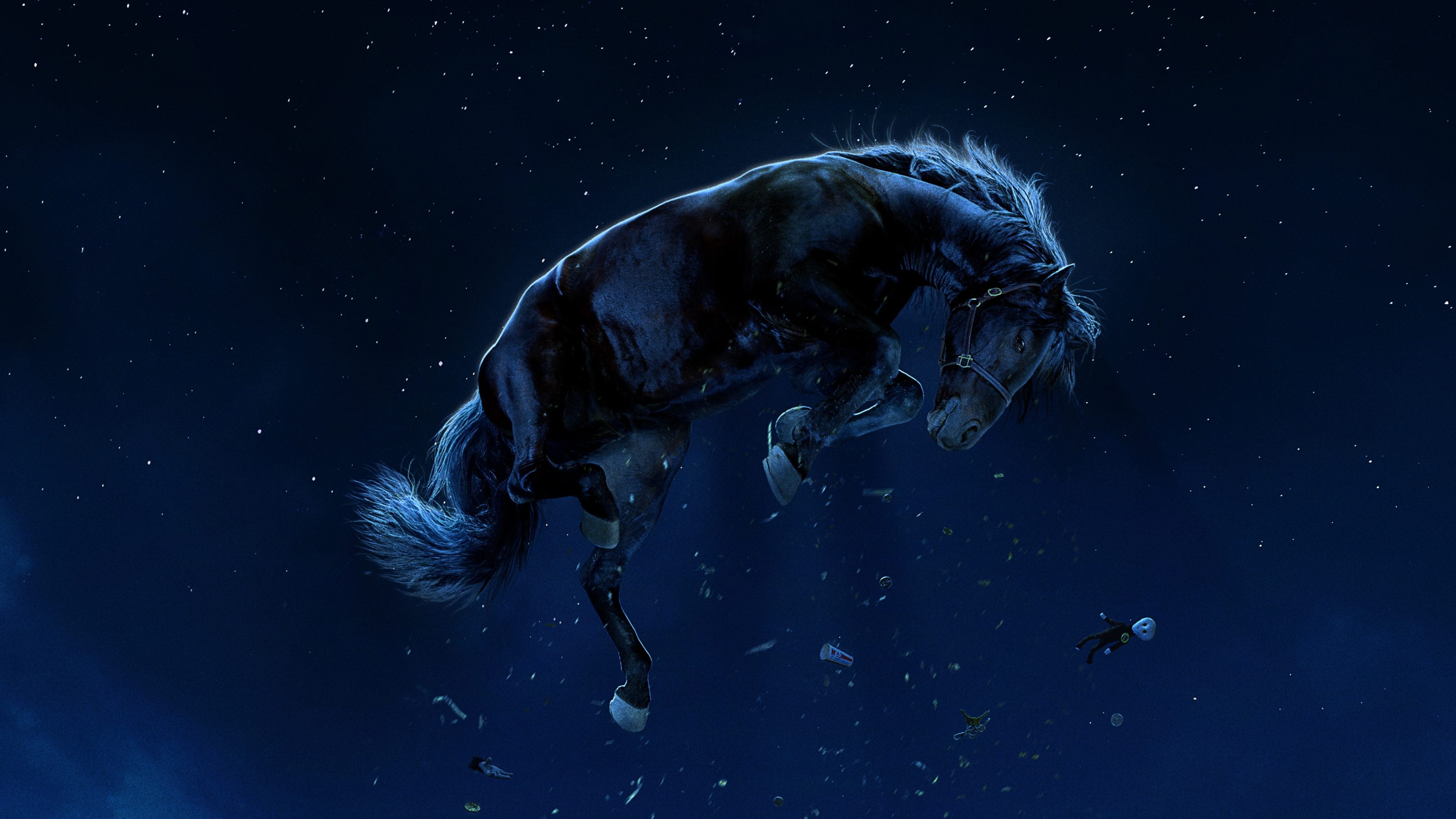
Nope and the Cost of Turning Awe Into a Product
Jordan Peele’s sky-horror epic works because it treats spectacle as labor, danger, and appetite all at once.
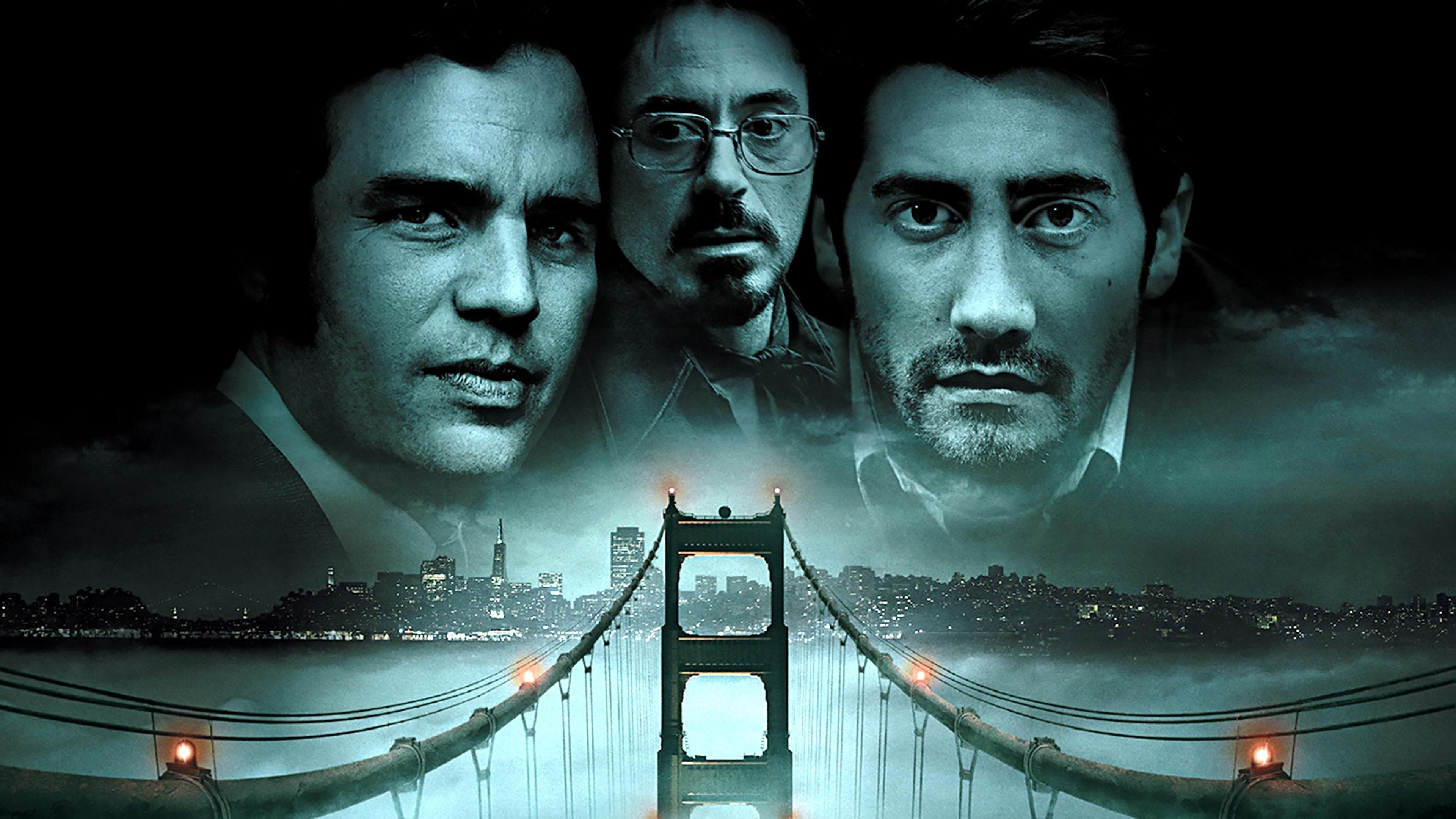
Zodiac and the Way Investigation Turns Into a Life-Consuming Infection
David Fincher’s procedural masterpiece gets under the skin by refusing release and letting accumulation itself become the source of dread.