
Sofia Coppola
Move through filmmaker operating systems: control, rhythm, obsession, and the pages still missing their case.


Director dossier
Sofia Coppola
Sofia Coppola makes movies about interior weather: young women, famous men, princesses, daughters, wives, and performers caught inside rooms that look beautiful but do not quite fit.
A guided Sofia Coppola path
interior drift + pop-music memory in three moves.

Start here
Lost in Translation
Her signature breakthrough: jet lag, hotel silence, and borrowed intimacy shaped into second-viewing romance.
Open film page
Then test the range
The Virgin Suicides
A debut about memory, projection, and teenage mystery treated as atmosphere rather than solved case.
Open film pageWhy this director matters
For Cinema One, Coppola widens the women-director lane without turning breadth into homework. Her best films convert glamour, pop music, hotel quiet, teenage rooms, and palace surfaces into pressure systems for identity. Lost in Translation is the clean entry point: a small movie where the city, the camera, the bar, and the pauses all make dislocation feel cinematic.
Signature traits
Notable works

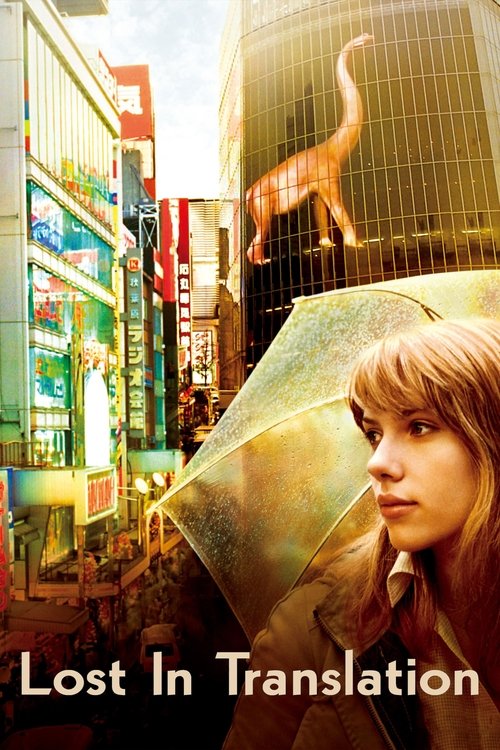
Tracked filmography
A debut about memory, projection, and teenage mystery treated as atmosphere rather than solved case.
Open movie pageHer signature breakthrough: jet lag, hotel silence, and borrowed intimacy shaped into second-viewing romance.
Open movie pageA pop-history object that treats palace life as adolescence, image management, and decorative confinement.
Fame fatigue reduced to hotel rooms, cars, waiting, and the question of whether a father can wake up to his own life.
Celebrity appetite observed as empty ritual: surfaces, access, status, and consumption without a self underneath.
A controlled Southern Gothic chamber piece where politeness, desire, and confinement curdle into threat.
A lighter father-daughter city drift that still runs on suspicion, charm, marriage doubt, and Bill Murray rhythm.
A biographical chamber piece focused less on iconography than on scale, control, youth, and life inside another person’s myth.