
Darren Aronofsky
Move through filmmaker operating systems: control, rhythm, obsession, and the pages still missing their case.
Director dossier
Darren Aronofsky
Darren Aronofsky is useful to Cinema One as an obsession mechanic: he makes private appetite visible through bodies, edits, sound loops, ritual, and punishment systems.
A guided Darren Aronofsky path
obsession pressure + body-as-battlefield in three moves.
Why this director matters
For Cinema One, Aronofsky opens a darker Thomas Library Spine lane around people who want transcendence so badly they start surrendering their bodies to the chase. Requiem for a Dream is the anchor because its style is inseparable from its argument: addiction is not only behavior, it is rhythm, image, sound, routine, and fantasy taking control of the cut.
Signature traits
Notable works
Live on Cinema One
Tracked filmography
Black-and-white paranoia where math, faith, markets, and headaches become one sealed pressure chamber.
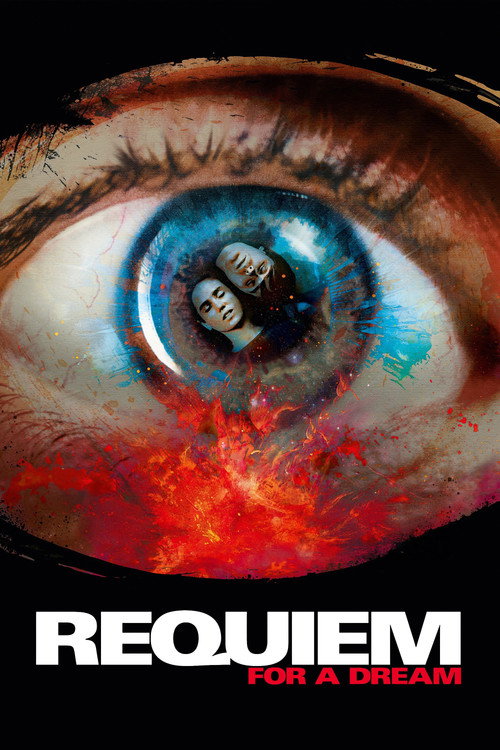
The Cinema One anchor: addiction rendered as editing system, score engine, split-screen loneliness, and body horror without monsters.
Open movie pageA grief-and-transcendence triptych that chases immortality through love, myth, medicine, and cosmic imagery.
A stripped-down body movie about work, fame residue, self-harm, and the one crowd that still knows the ritual.
Perfectionism as psychological horror: ballet discipline, doubles, mirrors, and the body rebelling against control.
Domestic space, ecology, fame, religion, and artistic ego compressed into one escalating home-invasion fever dream.
A chamber piece about shame, faith, appetite, performance, and the dangerous hope of being seen before the end.