Search
Find the right movie, director, article, or collection without falling into database sludge.
Find the strongest way into the room
Find the movie pressure, filmmaker system, shelf, or argument that fits the appetite.
Use the full search page when the question is bigger than a title: pressure rooms, control freaks, survival engines, record-collection movies, and the arguments that connect them.
Search pulse
Recommended route
A cleaner path through “time” than a flat result list.
Start with the highest-signal entry, then move through authorship, mood, or argument depending on what the search surfaced.
First click
1Once Upon a Time in Hollywood
Quentin Tarantino · 2019 · Comedy-Drama. Start with the strongest title match, then branch into linked reads and collection lanes.
Then trace the author
2Terry Gilliam
Baroque imagination, bureaucratic nightmare, and comic chaos in constant collision Use the filmmaker page to turn one match into a working system across Fear and Loathing in Las Vegas and Brazil.
Then widen the mood
3Manufactured Dreams
Movies about performance, mythmaking, show-business machinery, and the strange cost of turning fantasy into public image.
Refine this search pass
Movies
Movie matches
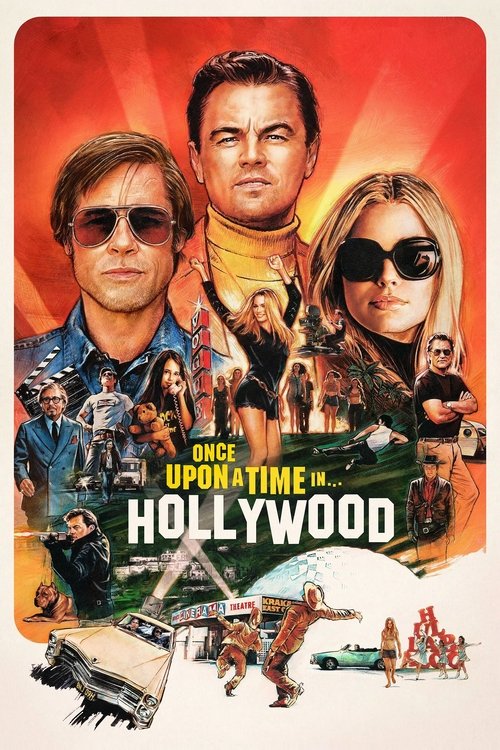
Once Upon a Time in Hollywood
2019Quentin Tarantino
The 9th film from Quentin Tarantino.
Next pressure pass: This page is in strong shape. Add more authored context only if it serves a bigger lane.
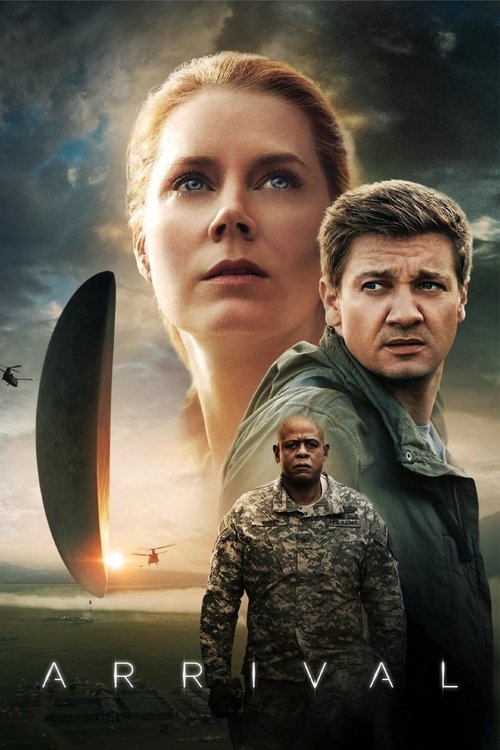
Arrival
2016Denis Villeneuve
Why are they here?
Next pressure pass: Add an editorial argument card so the page can make a sharper case.
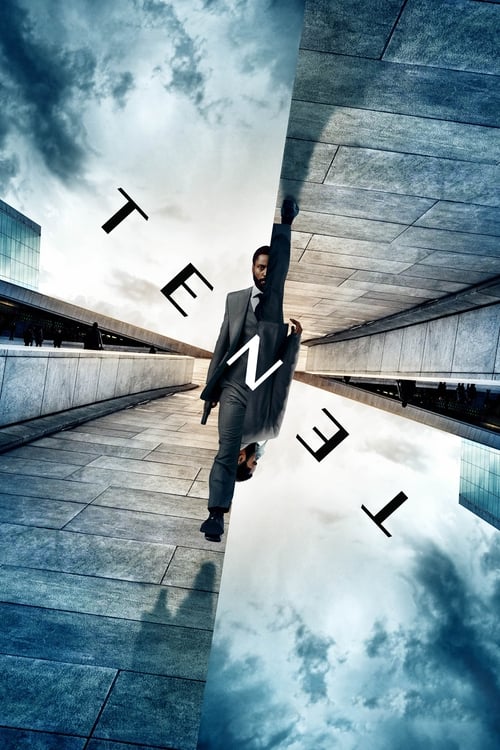
Tenet
2020Christopher Nolan
Time runs out.
Next pressure pass: This page is in strong shape. Add more authored context only if it serves a bigger lane.
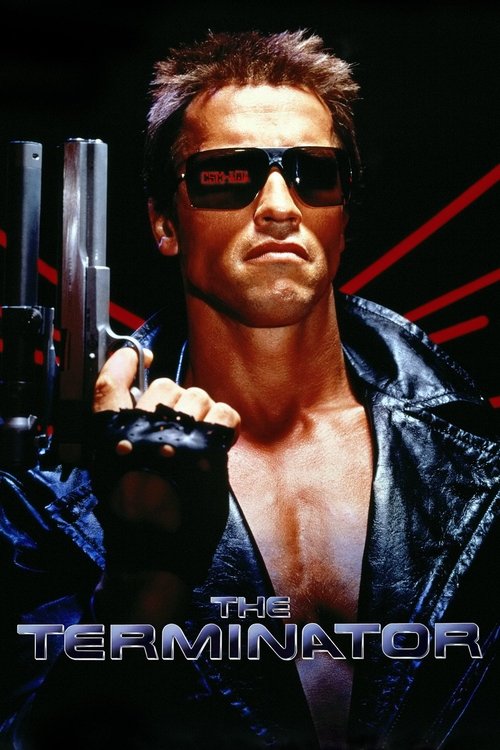
The Terminator
1984James Cameron
In the Year of Darkness, 2029, the rulers of this planet devised the ultimate plan.
Next pressure pass: This page is in strong shape. Add more authored context only if it serves a bigger lane.

Inglourious Basterds
2009Quentin Tarantino
Once upon a time in Nazi occupied France...
Next pressure pass: This page is in strong shape. Add more authored context only if it serves a bigger lane.
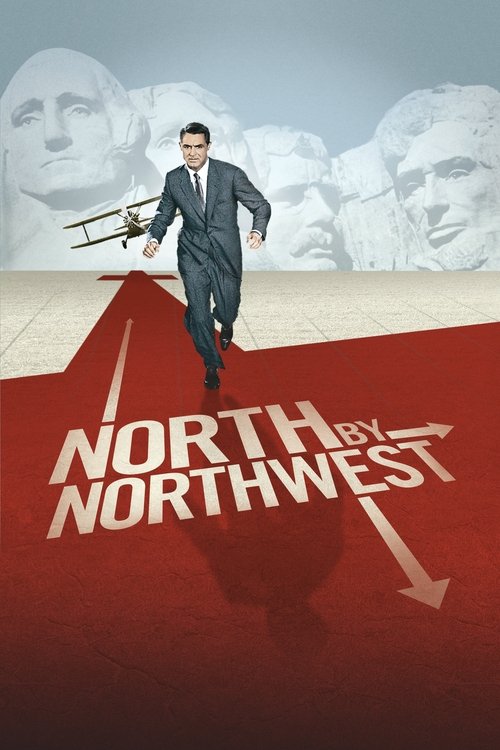
North by Northwest
1959Alfred Hitchcock
The wrong man in the wrong place at the wrong time.
Next pressure pass: This page is in strong shape. Add more authored context only if it serves a bigger lane.
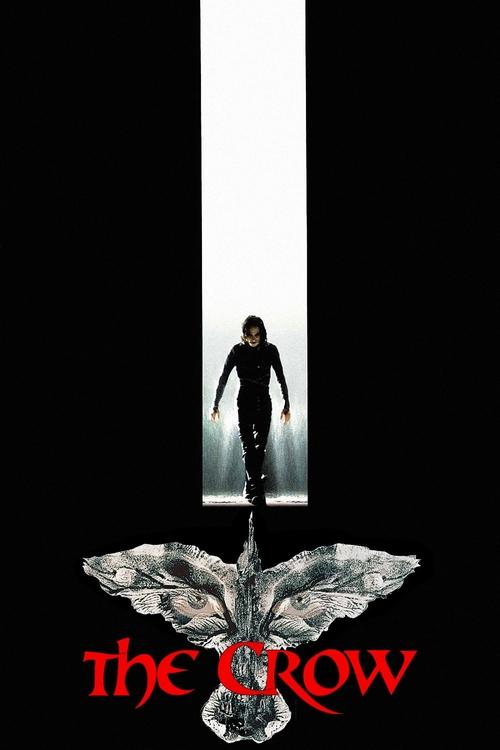
The Crow
1994Alex Proyas
It can't rain all the time.
Next pressure pass: Add an editorial argument card so the page can make a sharper case.
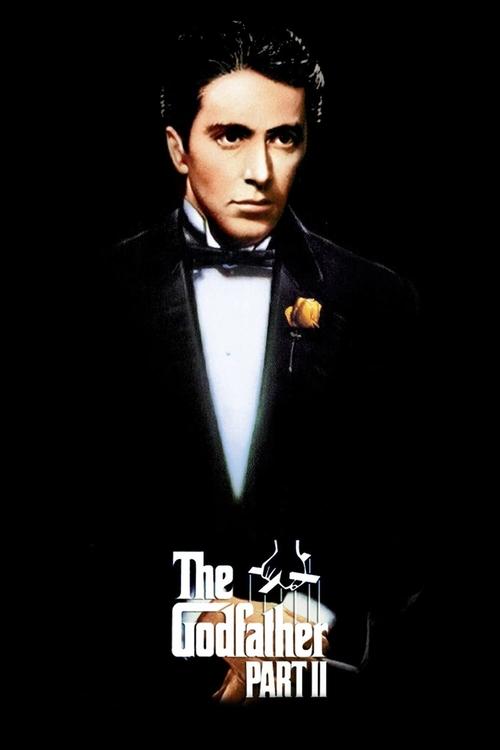
The Godfather Part II
1974Francis Ford Coppola
The rise and fall of the Corleone empire.
Next pressure pass: Place this title inside at least one collection for stronger discovery.
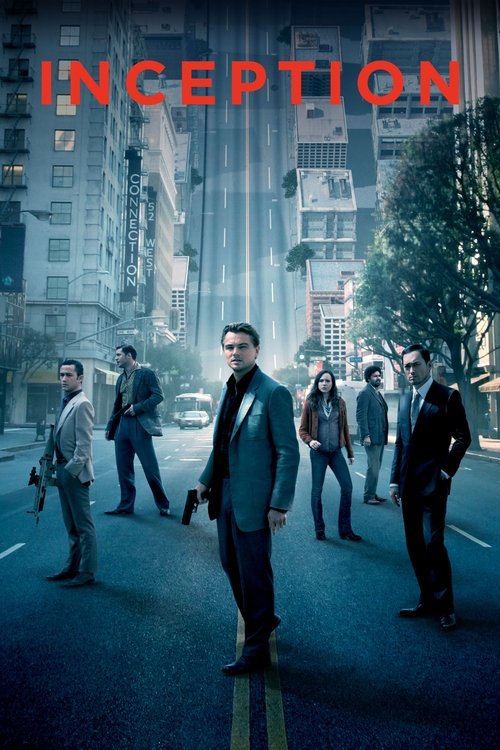
Inception
2010Christopher Nolan
Your mind is the scene of the crime.
Next pressure pass: This page is in strong shape. Add more authored context only if it serves a bigger lane.
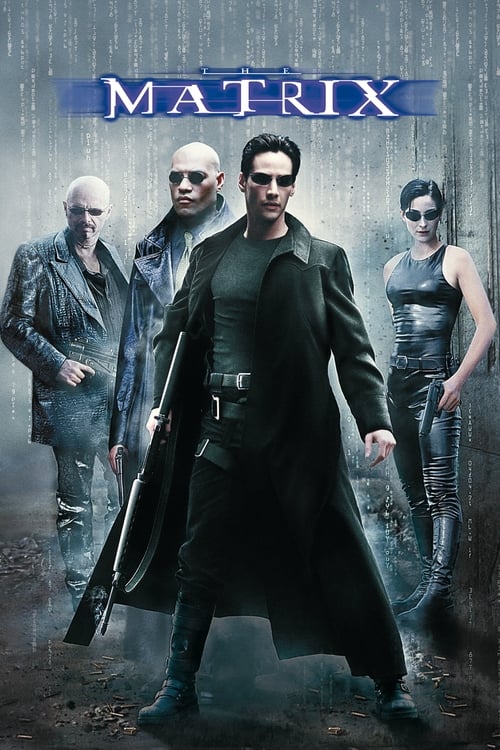
The Matrix
1999Lana Wachowski & Lilly Wachowski
Welcome to the real world.
Next pressure pass: This page is in strong shape. Add more authored context only if it serves a bigger lane.
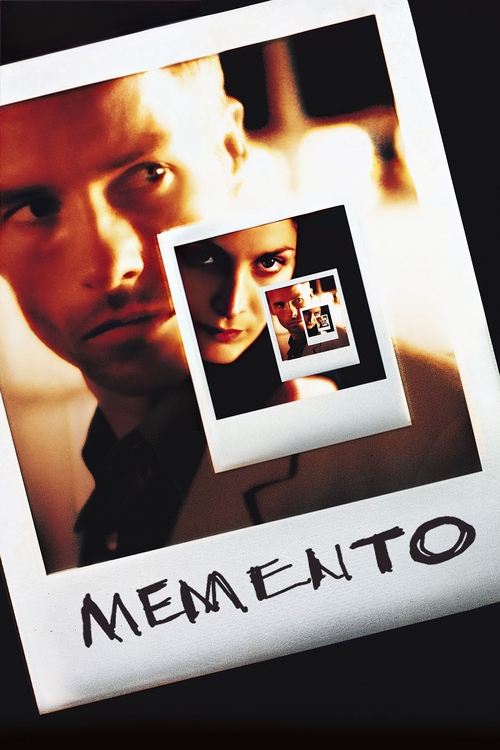
Memento
2000Christopher Nolan
Some memories are best forgotten.
Next pressure pass: This page is in strong shape. Add more authored context only if it serves a bigger lane.
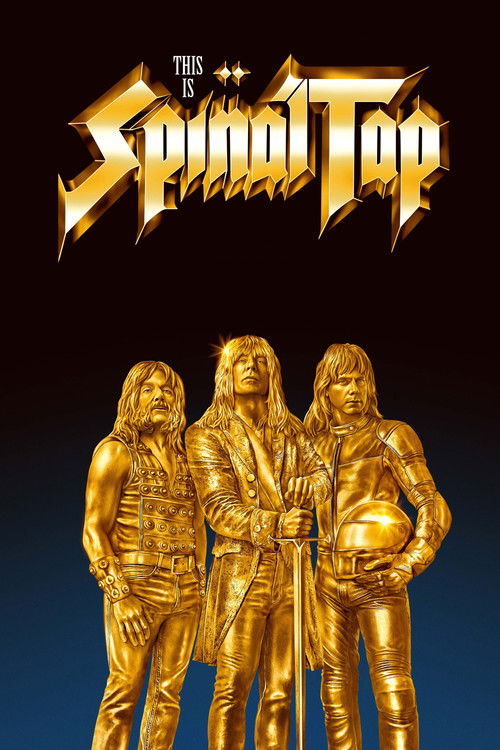
This Is Spinal Tap
1984Rob Reiner
Does for rock and roll what "The Sound of Music" did for hills.
Next pressure pass: This page is in strong shape. Add more authored context only if it serves a bigger lane.
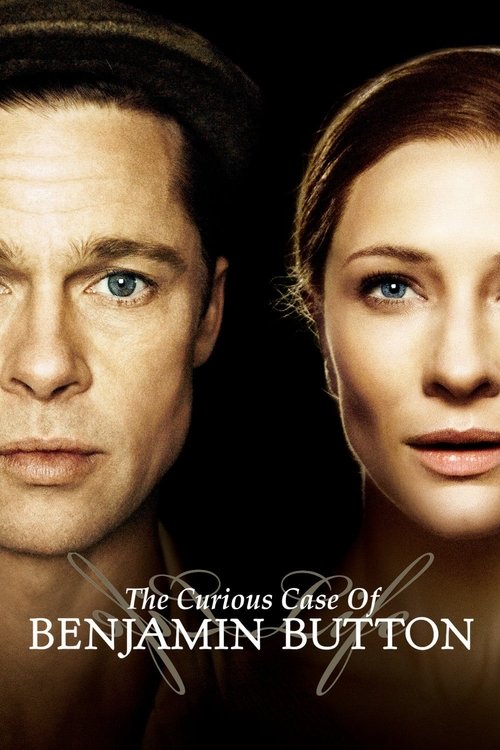
The Curious Case of Benjamin Button
2008David Fincher
Life isn’t measured in minutes, but in moments.
Next pressure pass: Place this title inside at least one collection for stronger discovery.

Lost in Translation
2003Sofia Coppola
A jet-lag romance where the quiet is the whole charge.
Next pressure pass: Add an editorial argument card so the page can make a sharper case.
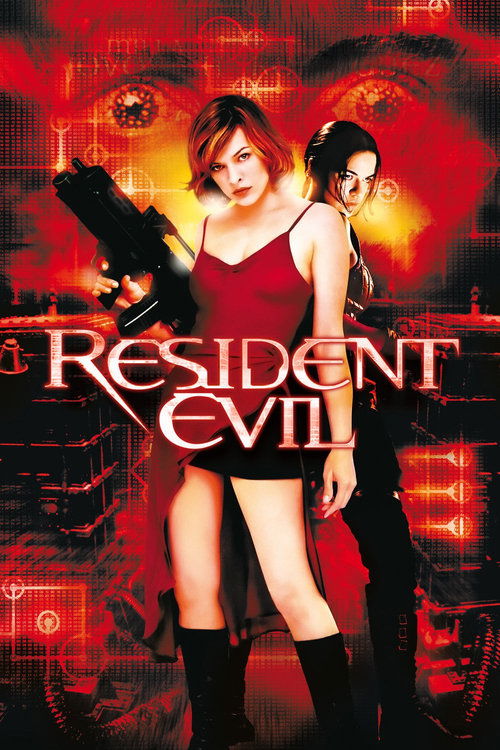
Resident Evil
2002Paul W. S. Anderson
A video-game nightmare turns corporate architecture into a kill box.
Next pressure pass: Add the next dossier module, ideally ending.

The Adventures of Cliff Booth
2026David Fincher
A movie-star myth wanders into a second life.
Next pressure pass: This page is in strong shape. Add more authored context only if it serves a bigger lane.
Directors
Director matches

Terry Gilliam
Baroque imagination, bureaucratic nightmare, and comic chaos in constant collision

Quentin Tarantino
Record-collection cinema where talk, violence, music, and movie memory become rhythm
Albert Magnoli
Pop-star mythology turned into backstage pressure and stage-light confession

Christopher Nolan
Architectural blockbusters where time, rules, and guilt become pressure systems

Kathryn Bigelow
Kinetic procedure, bodies under pressure, and systems that turn danger into addiction
Articles
Editorial matches
Once Upon a Time in Hollywood and the Strange Grace of Letting a Movie Drift Until History Arrives
Tarantino’s late masterpiece works because its looseness is strategic, building affection, routine, and end-of-era melancholy before the fairy tale turns protective.
Interstellar: Engineering, Grief, and the Earnestness That Makes It Work
Interstellar keeps surviving backlash cycles because Nolan ties its cosmic spectacle to separation, time loss, and family grief.
Tenet and the Thrill of a Blockbuster That Refuses to Simplify Its Hostile World
Tenet divides audiences for good reason, but its appeal is inseparable from the feeling that Nolan built a movie where time itself behaves like an antagonist.
The Curious Case of Benjamin Button and the Sadness of Meeting Life Out of Sequence
Benjamin Button matters because Fincher treats the reverse-aging premise less like a trick than a way to make timing itself feel tragic.
Jackie Brown and the Quiet Thrill of Watching Adults Feel Time Closing In
Tarantino’s warmest movie lasts because swagger gives way to patience, compromise, and the ache of people trying to buy back a little room to breathe.
How Tarantino’s Later Films Trade Cool for Consequence
Jackie Brown, Kill Bill: Vol. 2, The Hateful Eight, and Once Upon a Time in Hollywood all reveal a filmmaker getting more interested in aftermath, drift, and emotional residue than in pure pop detonation.
Dunkirk and the Power of Treating Survival as Pure Duration
Dunkirk strips war-movie psychology down to time, space, and immediate peril, then finds feeling inside the compression.
Taxi Driver and the Danger of Letting Alienation Curdle Into Mission
Scorsese’s landmark stays unnerving because it never treats Travis Bickle as a puzzle to solve. It traps us inside a worldview rotting in real time.
Blade Runner and the Melancholy of Manufactured Memory
Ridley Scott’s future-noir lasts because its atmosphere is not decoration, it is the emotional form of a movie about built lives and borrowed time.
The Girl with the Dragon Tattoo and the Cold Pleasure of Watching Procedure Cut Through Rot
Fincher’s Dragon Tattoo remake endures because research, pattern recognition, and bruised trust become as gripping as any chase scene.
The Abyss and the Risky Beauty of Turning Industrial Pressure Into Contact Cinema
Cameron’s undersea epic stays alive because it never treats labor, machinery, and emotional damage as setup for the awe. They are the price of reaching it.
Panic Room and the Virtue of Making Architecture Do the Panicking
Panic Room works because Fincher turns walls, sightlines, and delays into the whole suspense engine instead of treating them as setup for louder thrills.
Aliens and the Brilliant Decision to Turn Survival Horror Into Platoon Panic
Cameron’s sequel works because it does not simply supersize Ridley Scott’s terror. It rebuilds the xenomorph threat around group collapse, siege pressure, and Ripley’s protective ferocity.
Nope and the Cost of Turning Awe Into a Product
Jordan Peele’s sky-horror epic works because it treats spectacle as labor, danger, and appetite all at once.
Terminator 2 and the Blockbuster Miracle of Making Machine War Feel Personal
James Cameron’s sequel gets larger, louder, and more advanced, but it stays alive because every escalation feeds the movie’s protector-child-parent triangle.
Little Women and the Price of Turning a Life Into an Ending
Greta Gerwig’s adaptation becomes great by refusing to separate romance, money, authorship, and the pressure to make a satisfying story out of a complicated life.
The Hateful Eight and the Decision to Make the Whole Room Feel Spiritually Uninhabitable
Tarantino’s snowbound chamber piece matters because it traps performance, prejudice, and national rot together until suspicion itself becomes the atmosphere.
American Psycho and the Horror of Treating Personality Like a Luxury Product
American Psycho survives because Mary Harron turns 80s status obsession into a performance nightmare where identity is just another item to curate.
Death Proof and the Dirty Fun of Letting a Hangout Movie Turn Into a Stunt Manifesto
Death Proof has aged upward because its loose talk, abrasive structure, and practical-car violence all serve a movie that cares more about recoil, attitude, and physical cinema than consensus approval.
Insomnia and the Nolan Trick of Making Guilt Feel Environmental
Insomnia is often treated like a side assignment, but it already shows Nolan turning moral fatigue and unstable perception into atmosphere.
The Matrix and the Moment Blockbusters Learned to Think in Code
The Matrix changed action cinema because the Wachowskis made philosophy, rebellion, and image-system cool feel like the same piece of entertainment.
The Terminator: How James Cameron Turned Future War Into Pure Pursuit Cinema
The Terminator still hits because Cameron strips a huge sci-fi premise down to one merciless chase and lets horror logic do the rest.
Inception: The Architecture of Dreams and Reality
Christopher Nolan's masterpiece explores the layers of consciousness while questioning the nature of reality itself.
Pulp Fiction: Revolutionizing Narrative Structure in Cinema
Quentin Tarantino's non-linear masterpiece redefined storytelling in modern cinema through its bold narrative experiments.
Drive and the Thin Line Between Cool and Disappearance
Nicolas Winding Refn’s neo-noir holds because it turns style into a form of loneliness rather than a layer painted on top of the story.
Oppenheimer and the Chain Reaction of Consequence
Nolan’s historical drama feels so alive because it treats hearings, conversations, and scientific breakthroughs like stages of the same moral detonation.
Collections
Collection matches
Manufactured Dreams
Movies about performance, mythmaking, show-business machinery, and the strange cost of turning fantasy into public image.
Becoming and Authorship
Movies about identity under construction, feminine self-authorship, and the pressure to turn feeling, ambition, and image into a life.