The Odyssey Opening Weekend Is Bigger Than a Box-Office Victory Lap
Nolan’s opening matters because authored spectacle, format consciousness, ancient myth, and theatrical culture all became part of the same public event.
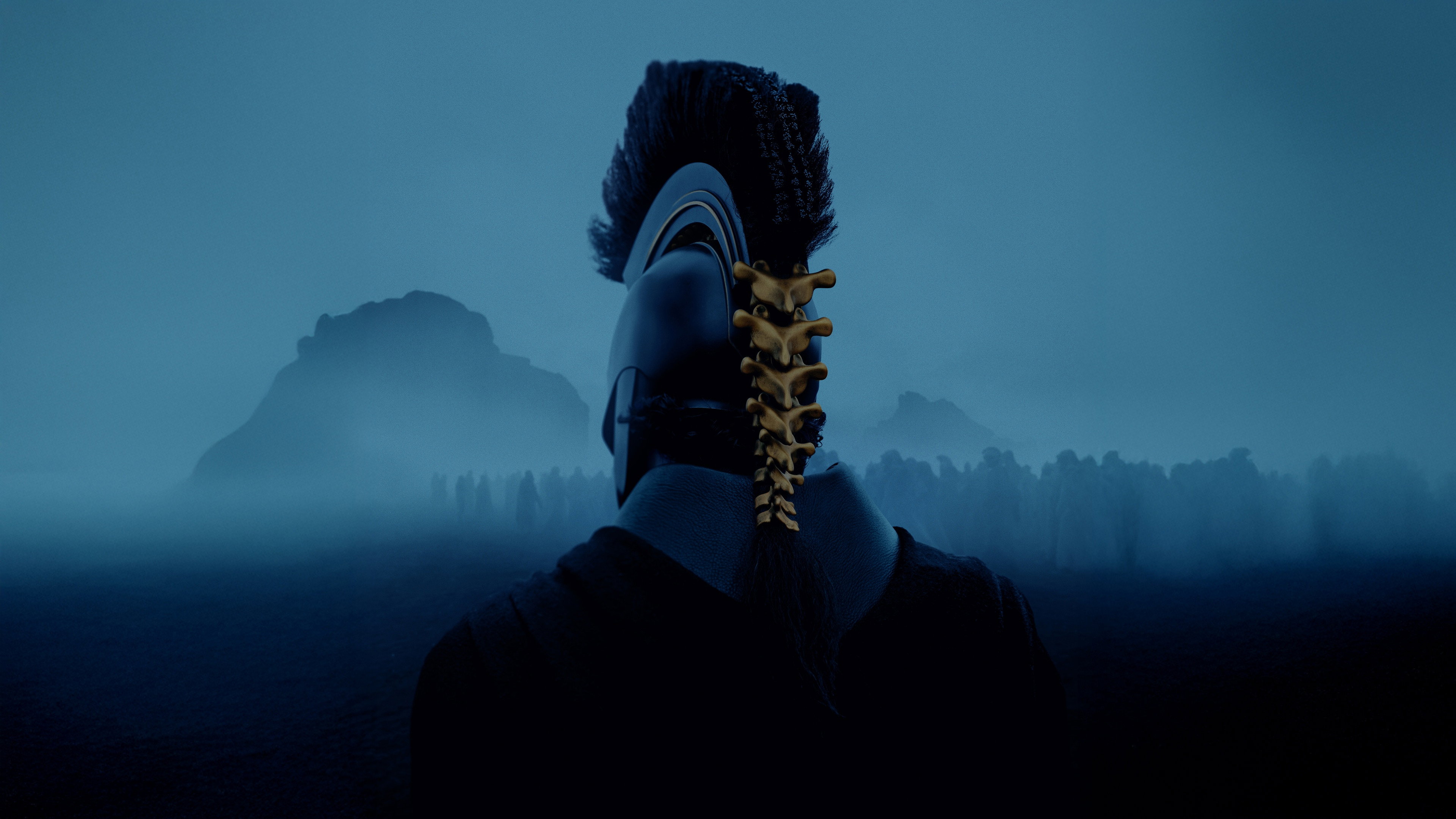
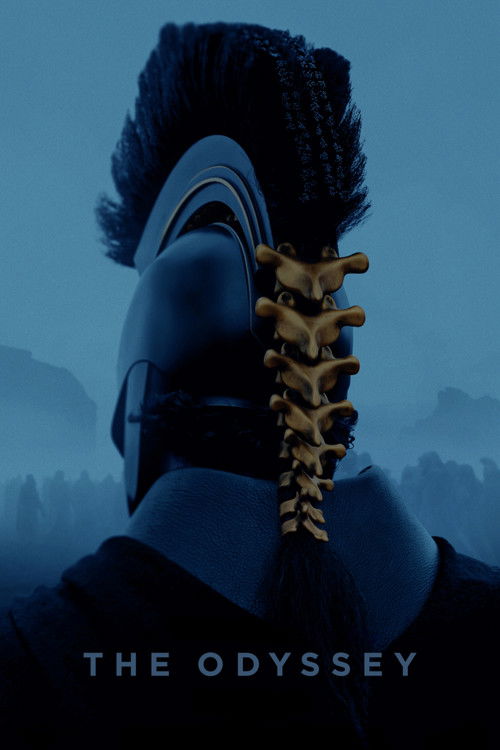
Spoiler-safe opening-weekend read: The Odyssey opened July 17 as a genuine theatrical event. Universal’s Sunday estimate placed the debut at roughly $124.5 million domestic and $264.1 million worldwide; audiences returned an A CinemaScore, and the opening-weekend Rotten Tomatoes snapshot sat near 95 percent critics and 97 percent verified audience.
The Number Is Evidence, Not the Argument
A large gross can tell you that attention arrived. It cannot tell you why the moment is interesting. The sharper read is that Nolan sold a way of seeing: ancient myth made physical, a camera format treated as dramatic material, and the belief that a filmmaker’s formal obsessions can still organize a mass audience.
Format Consciousness Became Theatrical Culture
IMAX did not function like a late checkout upsell. Audiences planned around scarce screens, waited for preferred formats, and treated exhibition as part of the work. That does not make one format mandatory for appreciating the movie; it does make the choice of room part of the conversation Nolan authored.
Why Homer Still Plays as Popular Cinema
The opening is also a reminder that “known property” and “franchise” are not the same thing. Homer’s story arrives with immense cultural memory, but Nolan still had to make its gods, trials, homecoming, and scale feel like a present-tense reason to leave the house. The achievement is not simply modernizing myth. It is letting myth retain enough strangeness to feel larger than product logic.
The First Cut
The Odyssey is more useful as a live file than as a scorecard. Follow the questions about image scale, physical production, narrative structure, and the distance between public spectacle and private longing. The box office establishes the size of the room; the film’s authored choices are why the room is worth entering.


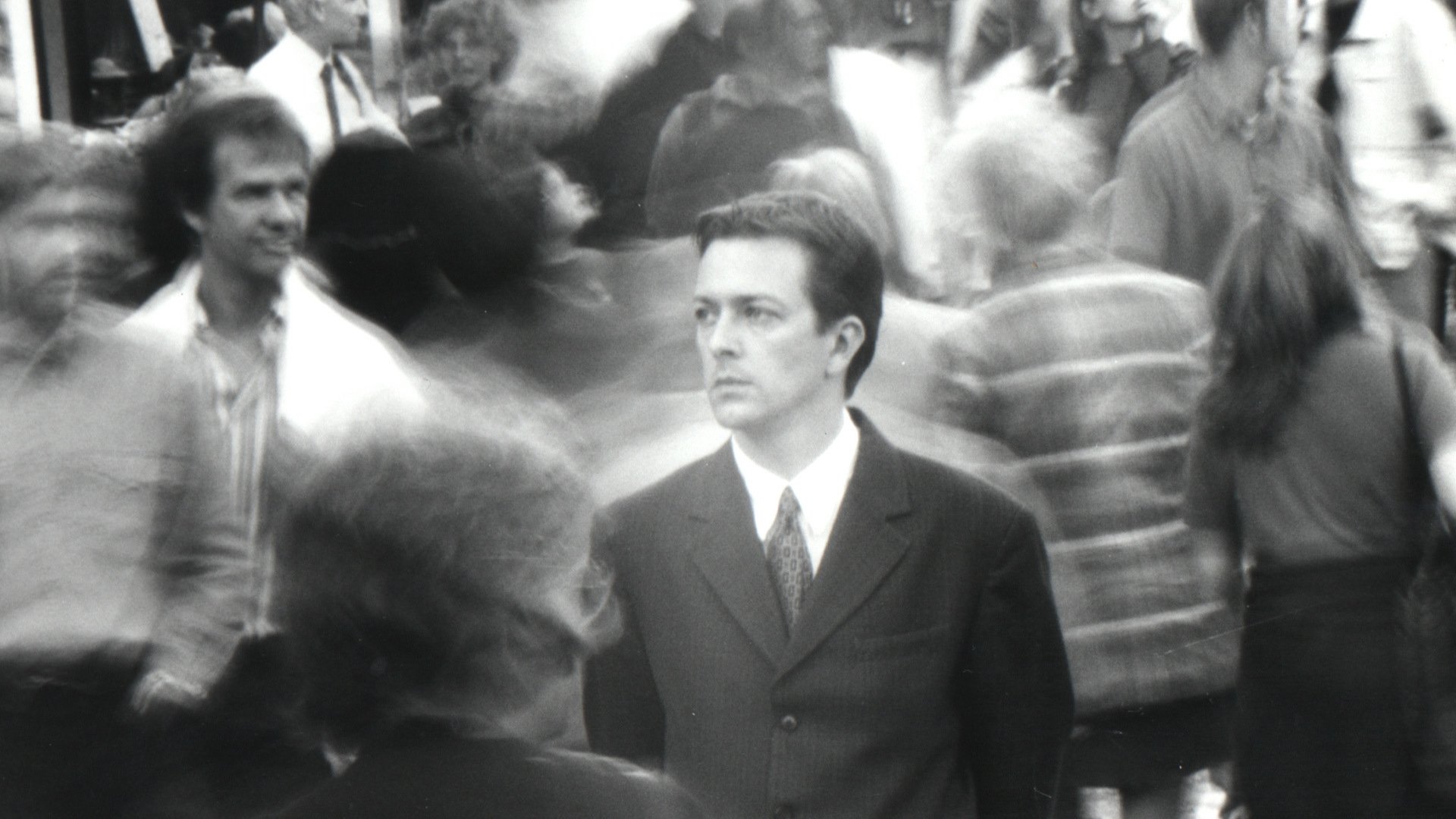
Following and the First Draft of Nolan as a Surveillance Storyteller
Christopher Nolan’s debut is tiny in scale but already obsessed with looking, self-invention, and how easily curiosity turns into entrapment.
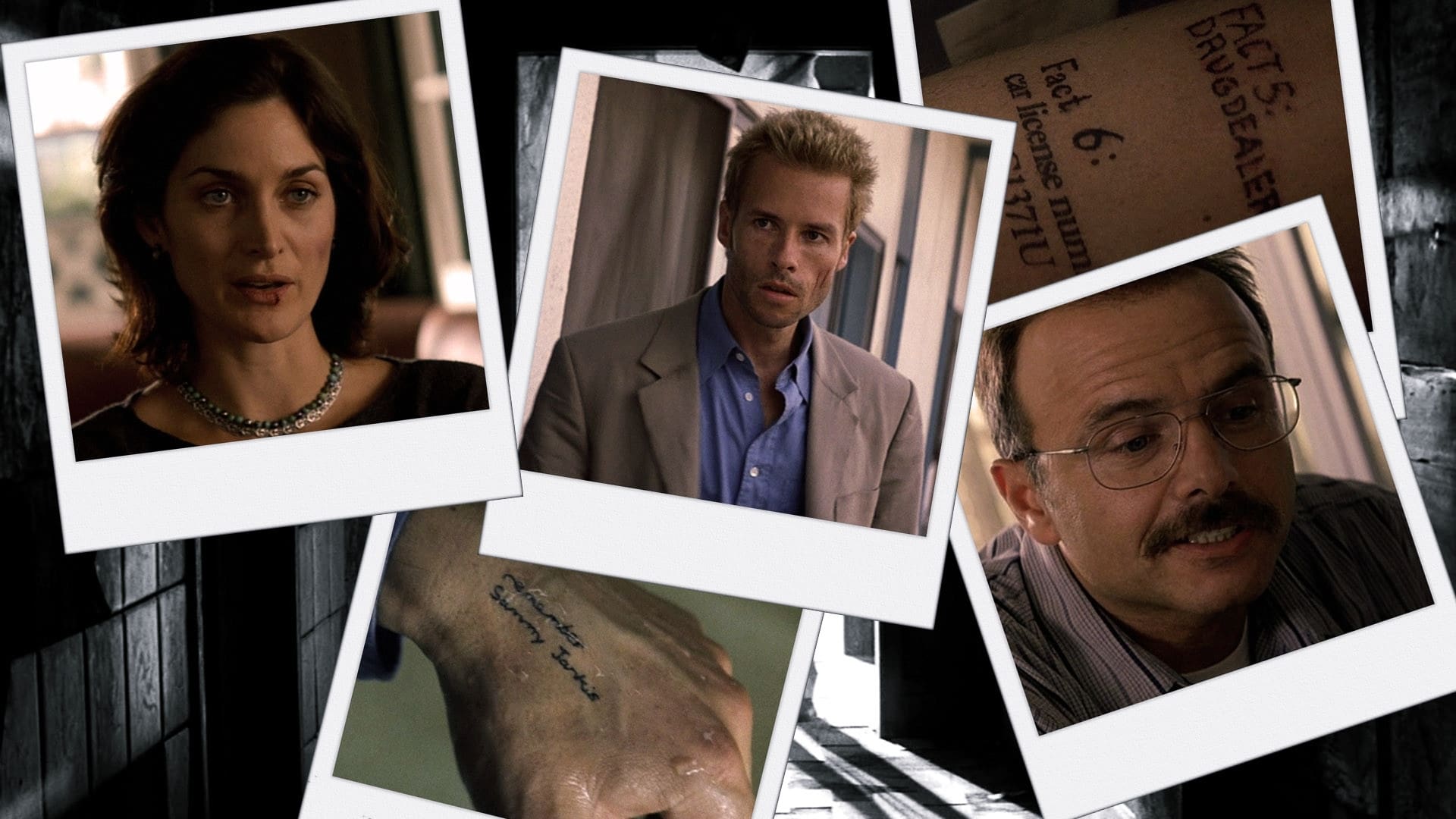
Memento and the Horror of Becoming Your Own False Narrator
Christopher Nolan’s breakthrough thriller hits hardest when you stop treating it like a twist machine and start reading it as a movie about self-authored reality.
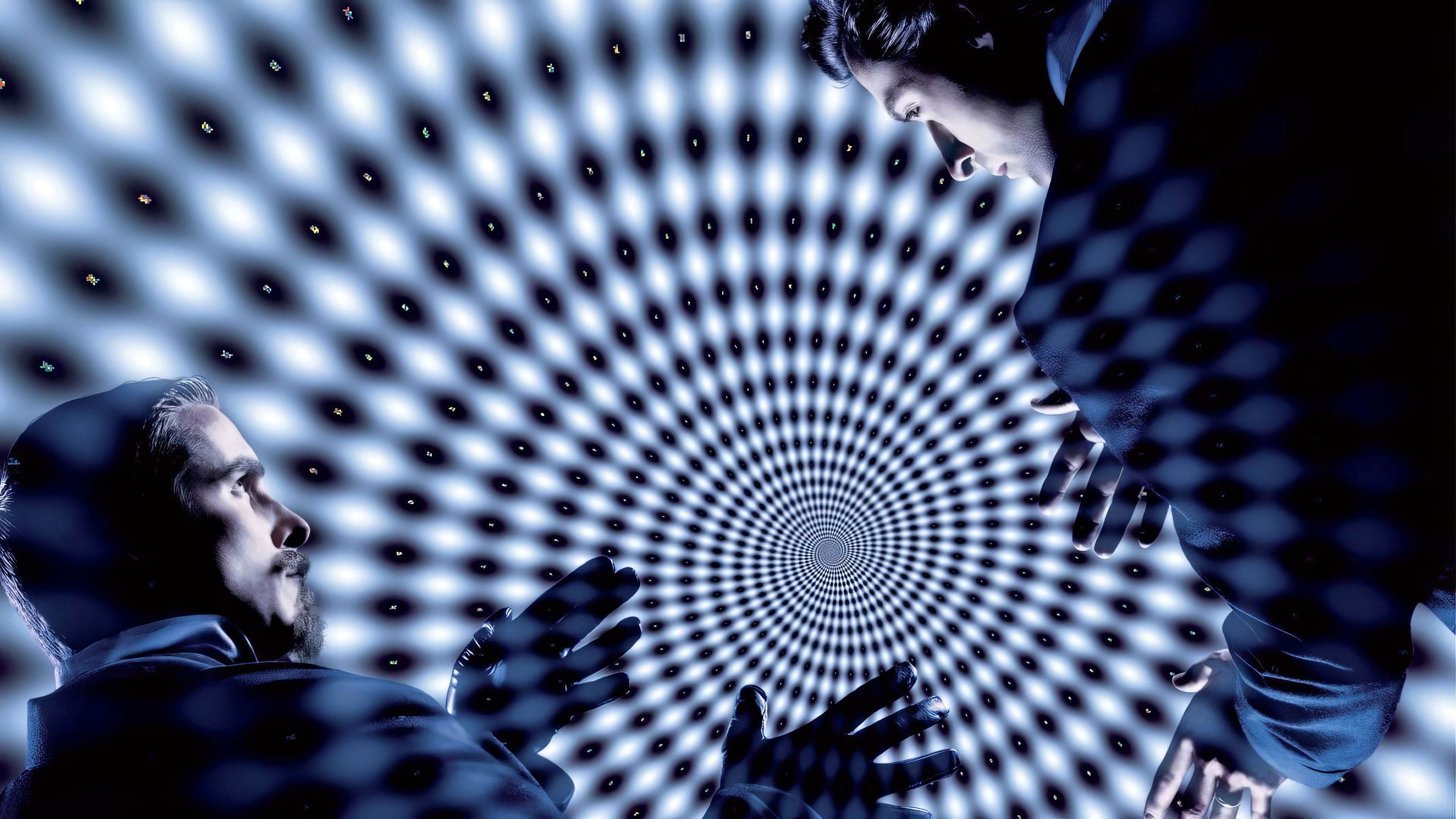
The Prestige and the Cost of Building a Life Around Winning
Christopher Nolan’s magic-rivalry thriller lands hardest when you stop treating it like a twist machine and start reading it as obsession cinema.
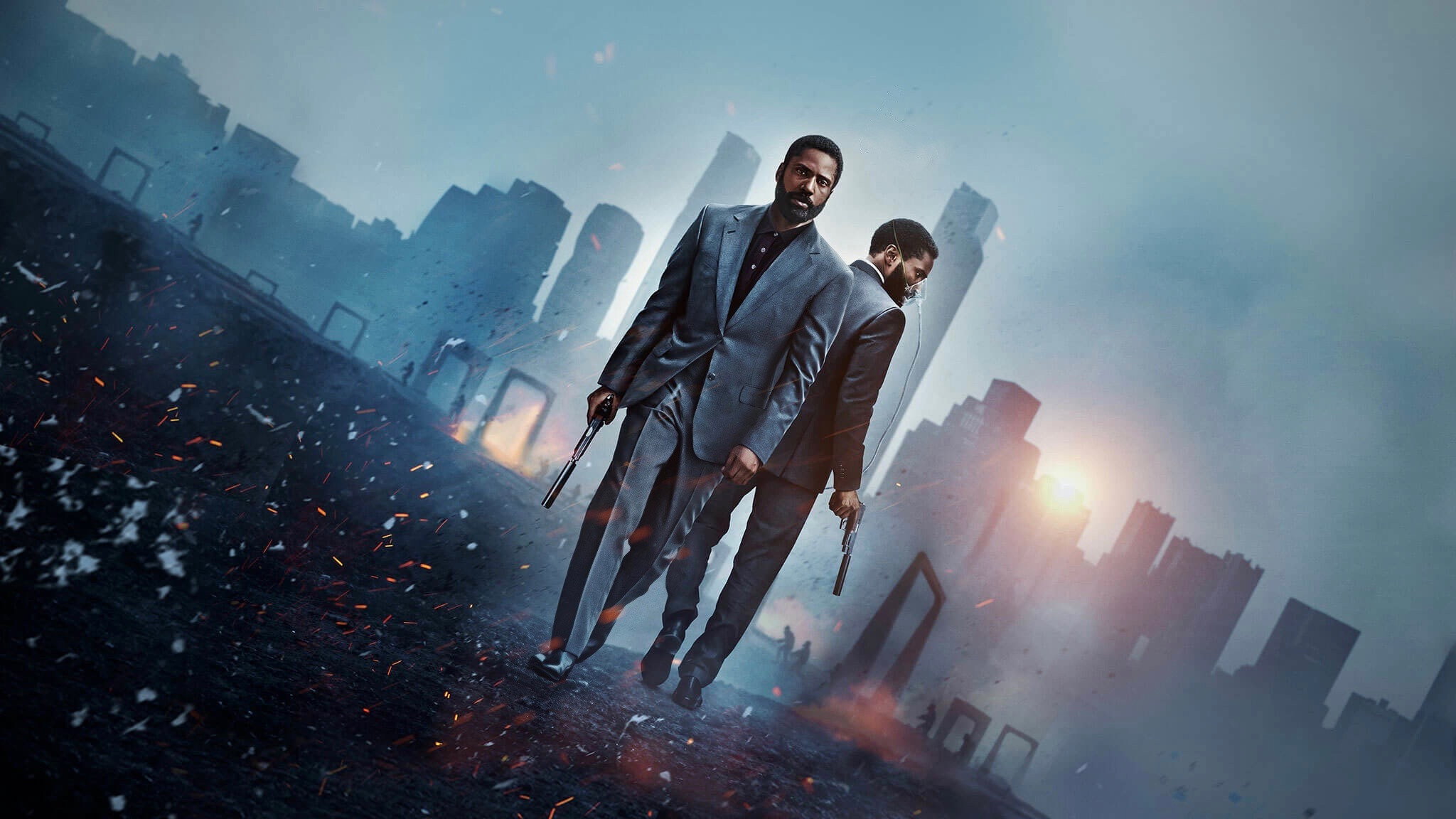
Tenet and the Thrill of a Blockbuster That Refuses to Simplify Its Hostile World
Tenet divides audiences for good reason, but its appeal is inseparable from the feeling that Nolan built a movie where time itself behaves like an antagonist.