
300
Find the movies with rewatch gravity, live dossiers, and unfinished cases worth deepening.
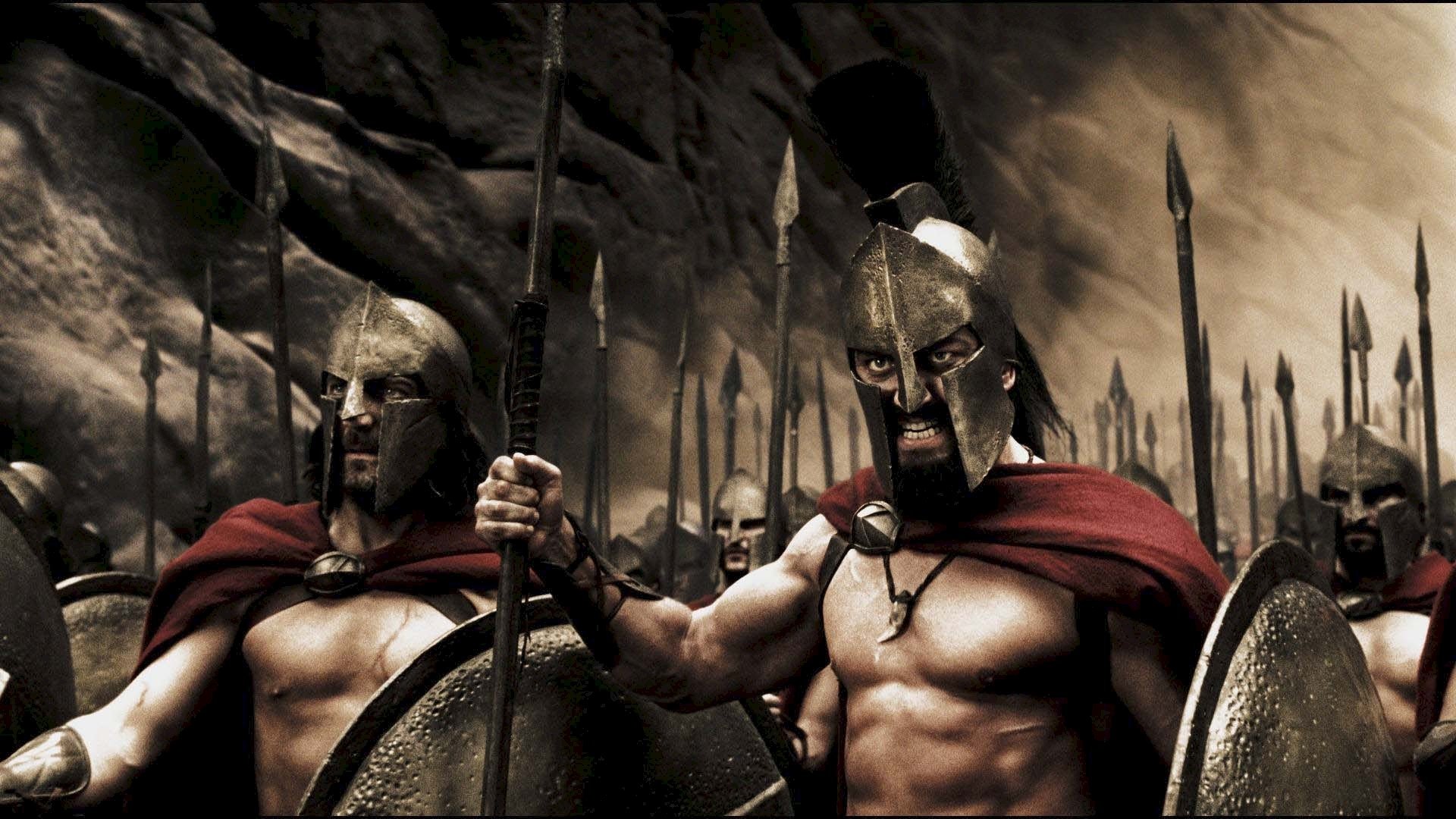
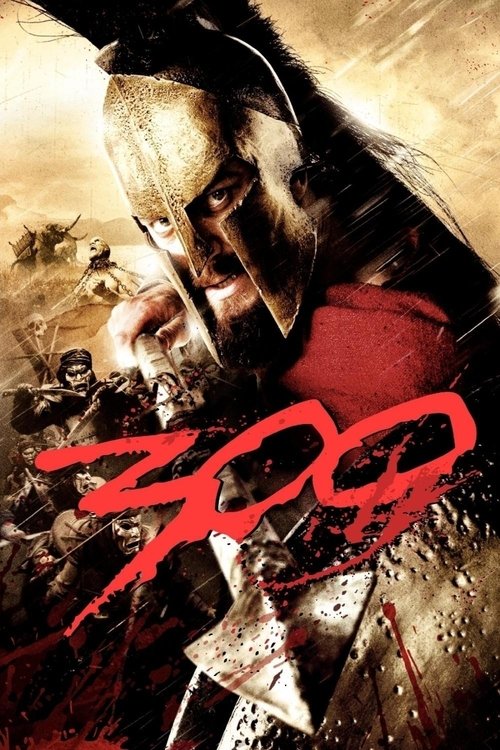
Movie dossier
300
Zack Snyder turns the Spartan last stand into a blood-red graphic-novel war chant.
Latest video signal
Trailer slot ready
A widescreen slot for the newest official trailer, interview, or scene signal when the page has a playable source.
Why it matters
300 matters to Cinema One because it is a pure case for stylized conviction. The movie is not valuable as sober history; it is valuable as myth propaganda, image worship, and rewatchable impossible-odds energy pushed until every frame feels carved out of bronze, sweat, and comic-book blood.
Craft read
Digital backlot, slow-motion impact, and graphic-novel contrast turned into an entire worldview
Last-stand escalation built on speeches, bodies, betrayal, and ritualized violence
A clean anchor for stylized worlds, cult-charge rewatching, and Snyder-as-formalist debate
Themes
Cast and context
sparta • last stand • graphic novel • stylized violence • myth • zack snyder
Coverage status
A strong case file with real editorial shape: enough craft, context, and connection to guide a serious watch.
Production notes
- • Adapted from Frank Miller and Lynn Varley’s graphic novel, with the film preserving the source’s exaggerated compositions rather than chasing realism.
- • Gerard Butler’s performance gives the movie its quotable war-chant center: blunt, theatrical, and completely committed to the mythic register.
- • The digital-stage approach is essential to the film’s identity because the artificiality makes the world feel illustrated, not merely photographed.
Watch-next pathway
What should you do after 300?
Three intentional continuations: stay with the filmmaker, chase the dominant pressure signal, or jump into the shelf or argument that best explains why this movie belongs here.
More myth
Use the taste map to find movies, arguments, and shelves that share this page's strongest signal.
Stylized Worlds
Big visual identity, mythic energy, and movies that know exactly how they want to look and feel.
Movie-page argument
Defend 300.
If this movie has a scene, performance, ending, or idea people underrate, make the case. The best defenses can become future Cinema One argument material.
Scene challenge
Pick the scene that proves it.
Cinema One is built around scenes that unlock the movie. Tell us which moment carries the pressure, style, argument, or rewatch charge.
Signature scene: “This is Sparta!” turns the movie into a thesis statement
The pit kick works because it is ridiculous, operatic, and absolutely the point. 300 announces that diplomacy, geography, and realism are secondary to gesture. The scene is pure graphic punctuation: one line, one body in motion, one image that tells you exactly what kind of movie you are watching.
Line worth carrying forward
“This is Sparta!” survives because it is not subtle and does not want to be. It is the movie compressing identity, defiance, violence, and meme immortality into one shouted mark of punctuation.
Why the ending works as myth instead of defeat
The ending is not designed as military tragedy so much as legend construction. Leonidas dies, but the movie treats death as transmission: the story becomes the weapon, and the final charge reframes the loss as recruitment, memory, and spectacle made permanent.
Steelman the debate
A fair critique is that 300 can look like empty macho posing, flattening history into fetishized violence and shouted slogans. The strongest defense is that the posing is the text. Snyder is making a movie about myth as design, about how bodies, speeches, and images become propaganda powerful enough to outlive the facts.
Shows up in
Big visual identity, mythic energy, and movies that know exactly how they want to look and feel.
Movies built for return visits, momentum, quotability, texture, and pure replay value.
The lane where personality beats polish and cult energy becomes part of the pleasure.
More from this director
Related picks
Read next
Cameron’s action-comedy stays watchable because it never treats the marriage plot as filler. Embarrassment, deception, and spectacle are all part of the same propulsion system.
Cameron’s sequel works because it does not simply supersize Ridley Scott’s terror. It rebuilds the xenomorph threat around group collapse, siege pressure, and Ripley’s protective ferocity.
Tarantino’s war fantasia works because the suspense is not built on firefights first. It is built on who can control the room, the accent, the cover story, and the next sentence.