The Birds
Find the movies with rewatch gravity, live dossiers, and unfinished cases worth deepening.
Movie dossier
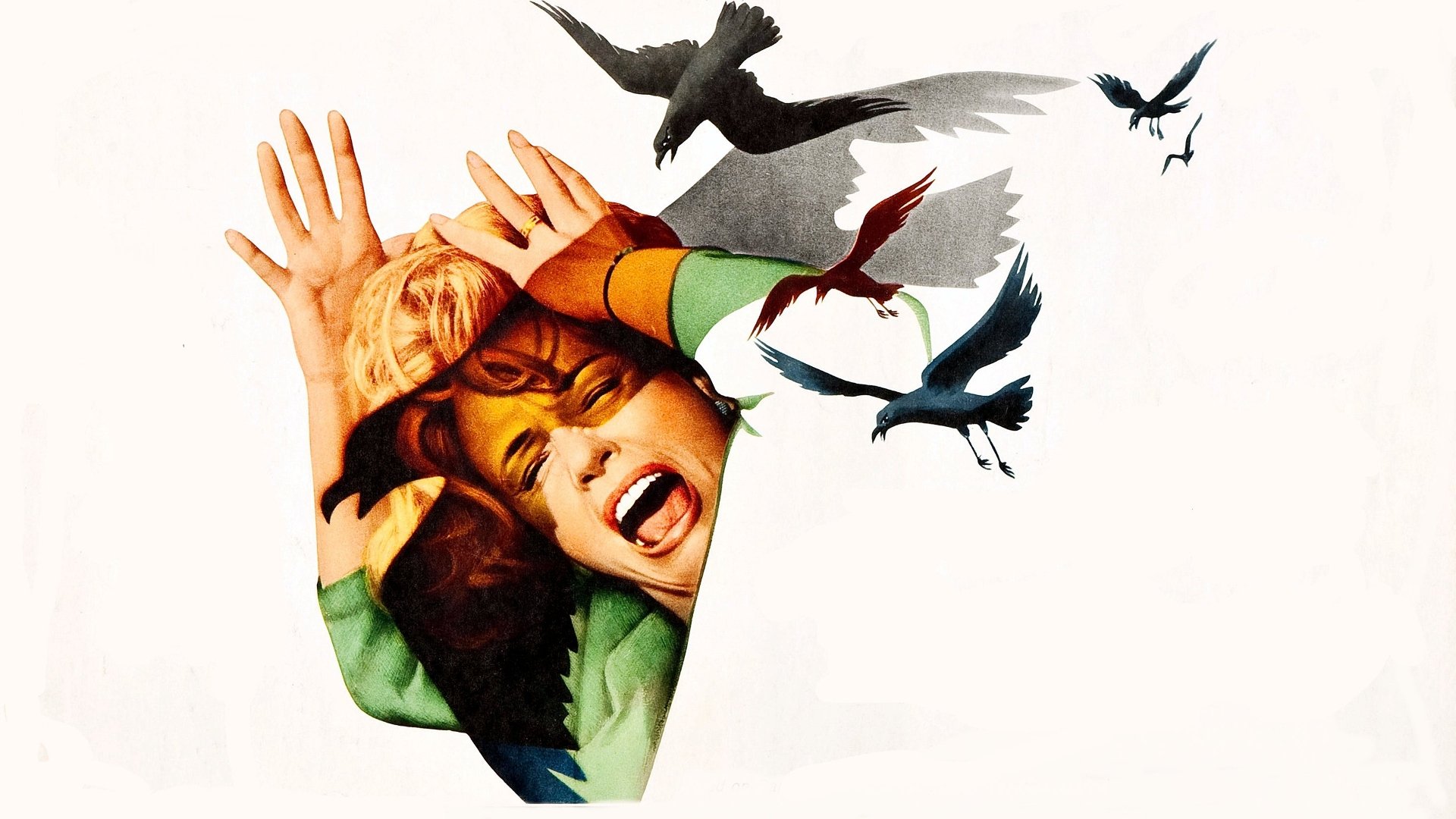
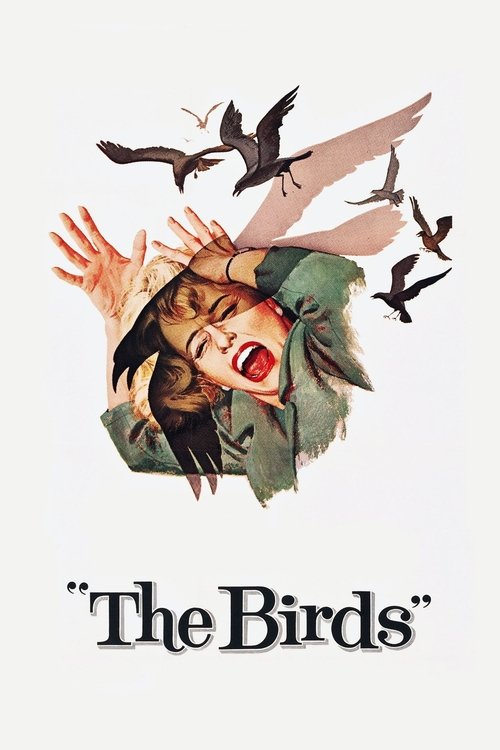
The Birds
Hitchcock turns flirtation, domestic unease, and unexplained animal attack into one of cinema’s purest environmental nightmares.
Latest video signal
Trailer slot ready
A widescreen slot for the newest official trailer, interview, or scene signal when the page has a playable source.
Why it matters
The Birds matters because Hitchcock strips away the comfort of motive. Once the attacks begin, the film refuses the audience a clean why, which lets ordinary social space, a schoolyard, a gas station, a family home, become permanently unstable. It is apocalypse reduced to claw marks, waiting, and the terror of not having a theory that helps.
Craft read
Nature attack staged as escalating siege, interruption, and ambient dread
Romance, class tension, and family friction made vulnerable to arbitrary catastrophe
A key bridge from classical suspense to modern disaster-horror ambiguity
Themes
Cast and context
bird attack • small town • apocalypse • nature revolt • siege • unexplained terror
Coverage status
A fully shaped Cinema One case: the movie has enough authored context, pathway links, and argument to feel like more than a catalog entry.
Production notes
- • The absence of a conventional musical score lets wing beats, silence, and sudden sound events become the whole atmosphere.
- • Tippi Hedren’s composure is crucial because the movie needs a glamorous social surface for the attacks to violate.
- • Important Hitchcock page because it shows him making dread environmental rather than purely psychological or conspiratorial.
Watch-next pathway
What should you do after The Birds?
Three intentional continuations: stay with the filmmaker, chase the dominant pressure signal, or jump into the shelf or argument that best explains why this movie belongs here.
Psycho
The cleanest next move if Alfred Hitchcock's control, obsessions, or rhythm are what hooked you here.
More nature revolt
Use the taste map to find movies, arguments, and shelves that share this page's strongest signal.
Master of Suspense
Voyeurism, pursuit, wit, and movies that make point of view feel dangerous.
Movie-page argument
Defend The Birds.
If this movie has a scene, performance, ending, or idea people underrate, make the case. The best defenses can become future Cinema One argument material.
Scene challenge
Pick the scene that proves it.
Cinema One is built around scenes that unlock the movie. Tell us which moment carries the pressure, style, argument, or rewatch charge.
Signature scene: the playground slowly filling behind Melanie
The playground sequence is Hitchcock at his most mercilessly patient. By letting the birds accumulate in the background while Melanie remains unaware, he turns the audience’s superior knowledge into helpless dread, which is one of his purest suspense maneuvers.
Line worth carrying forward
"They’re gathering out there." lands because it is so plain. The Birds knows ordinary language becomes more frightening, not less, once the thing being described has no useful explanation attached to it.
Why the ending stays under your skin
The ending works because Hitchcock refuses catharsis. There is no conquest, no solved pattern, no triumphant reset, only a careful departure through a world that now feels permanently withdrawn from human control.
Steelman the debate
A reasonable pushback is that The Birds can feel deliberately frustrating because it withholds explanation and lets some character dynamics stay sketchy or unresolved. The strongest defense is that this refusal is the movie’s terror system. Hitchcock is not building a puzzle to decode but a world where explanation itself has become an unavailable luxury.
More from this director
Related picks
Read next
The Birds remains uncanny because Hitchcock refuses to turn catastrophe into a puzzle with a satisfying answer.
Psycho still cuts so deep because Hitchcock keeps changing the rules of the movie while making every new rule feel inevitable after the fact.
North by Northwest still feels fresh because Hitchcock treats mistaken identity as an excuse to build one of the great motion machines in studio-era cinema.