
The Fifth Element and the Confidence of Treating Worldbuilding Excess as the Whole Point
Luc Besson’s sci-fi oddity still works because it refuses to apologize for tonal collision, costume overload, and pop-opera futurism.
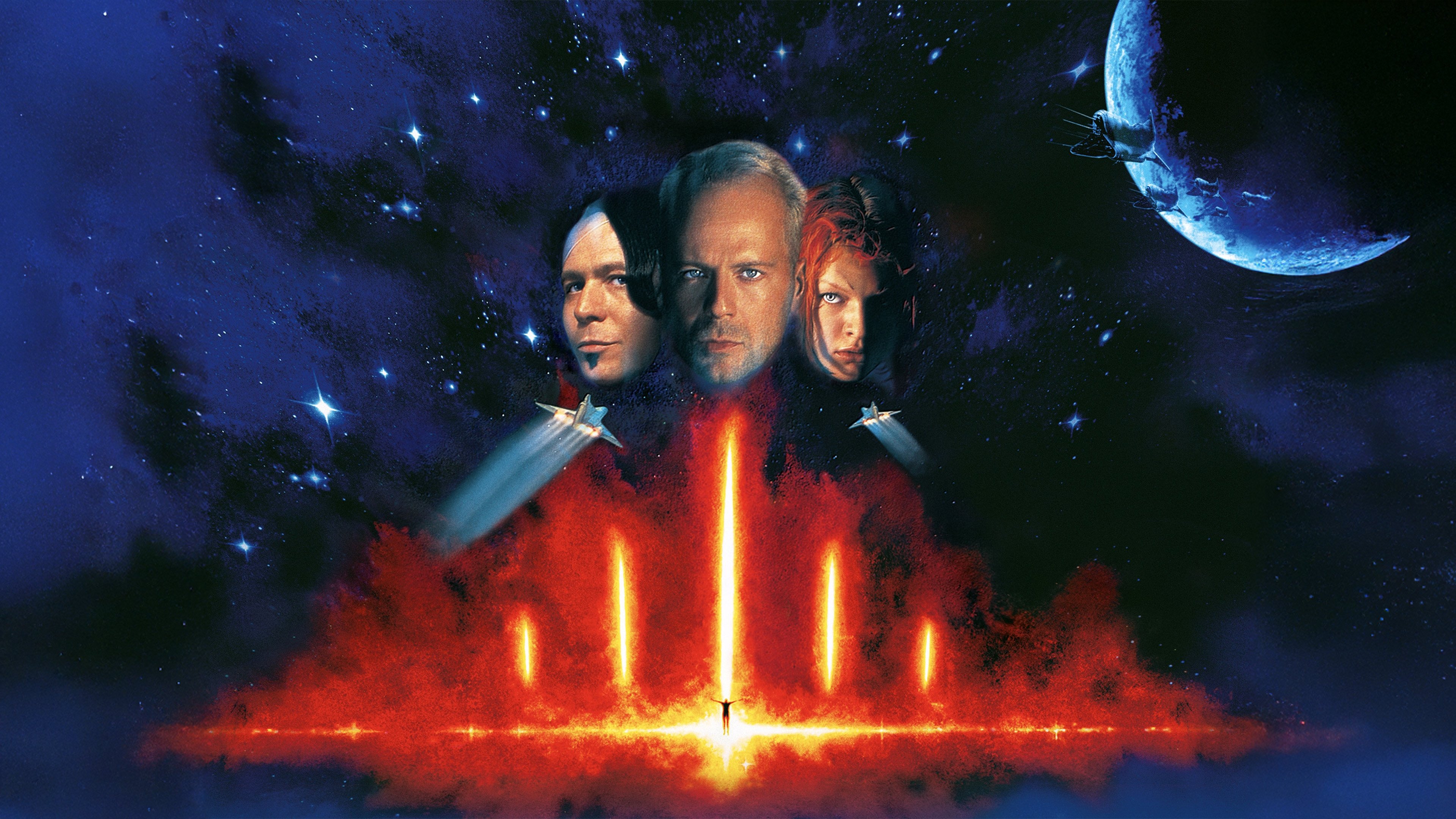
The Fifth Element survives because it is not trying to sand its weirdness down into respectable blockbuster shape. Luc Besson treats production design, camp comedy, apocalypse, romance, and pulp velocity as one system, betting that if the commitment is total enough the audience will accept the whole future on its own terms.
Why the Design Does the Drama
This is a movie where costume, architecture, props, and color are not side dishes. They are the dramatic language. The world feels crowded, loud, and a little absurd because the film wants futurity to feel inhabited rather than streamlined.
Leeloo as the Human Anchor
Milla Jovovich is what keeps the movie from becoming pure production showcase. Her performance gives the object a vulnerable center, someone who can register innocence, danger, and confusion inside a movie otherwise built to move at comic-book speed.
Why It Became a Cult Mainstay
The Fifth Element lasts because no one else was making studio science fiction that looked this strange while still aiming so squarely at pleasure. Its tonal overload is not a problem the movie failed to solve. It is the movie’s identity, and that is exactly why people keep returning to it.
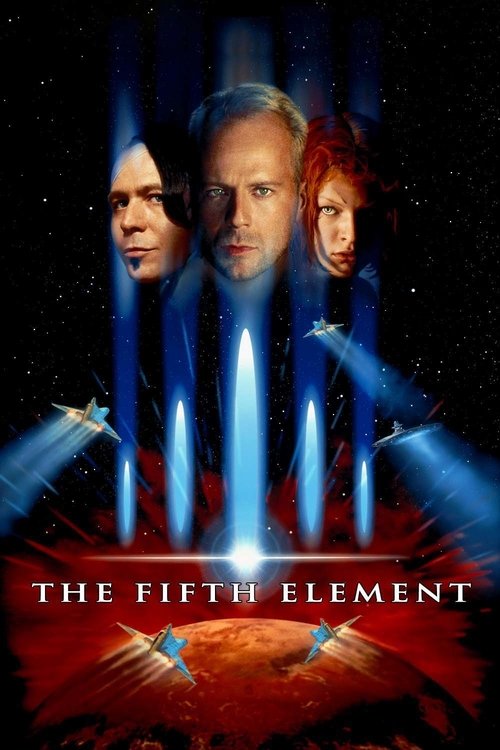
The Fifth Element
1997 • Luc Besson
There is no future without it.
Movies to pair with this read


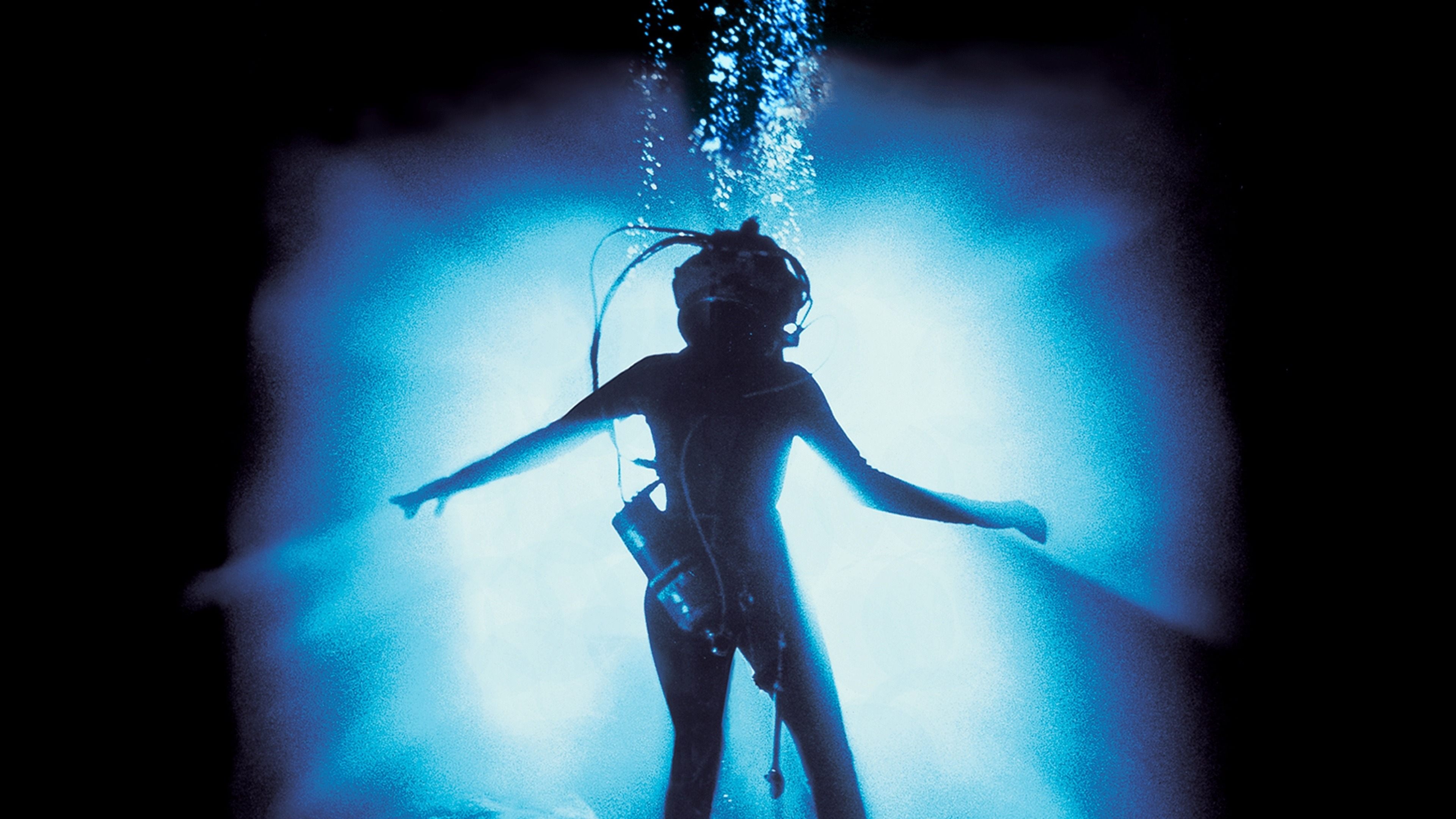
The Abyss and the Risky Beauty of Turning Industrial Pressure Into Contact Cinema
Cameron’s undersea epic stays alive because it never treats labor, machinery, and emotional damage as setup for the awe. They are the price of reaching it.
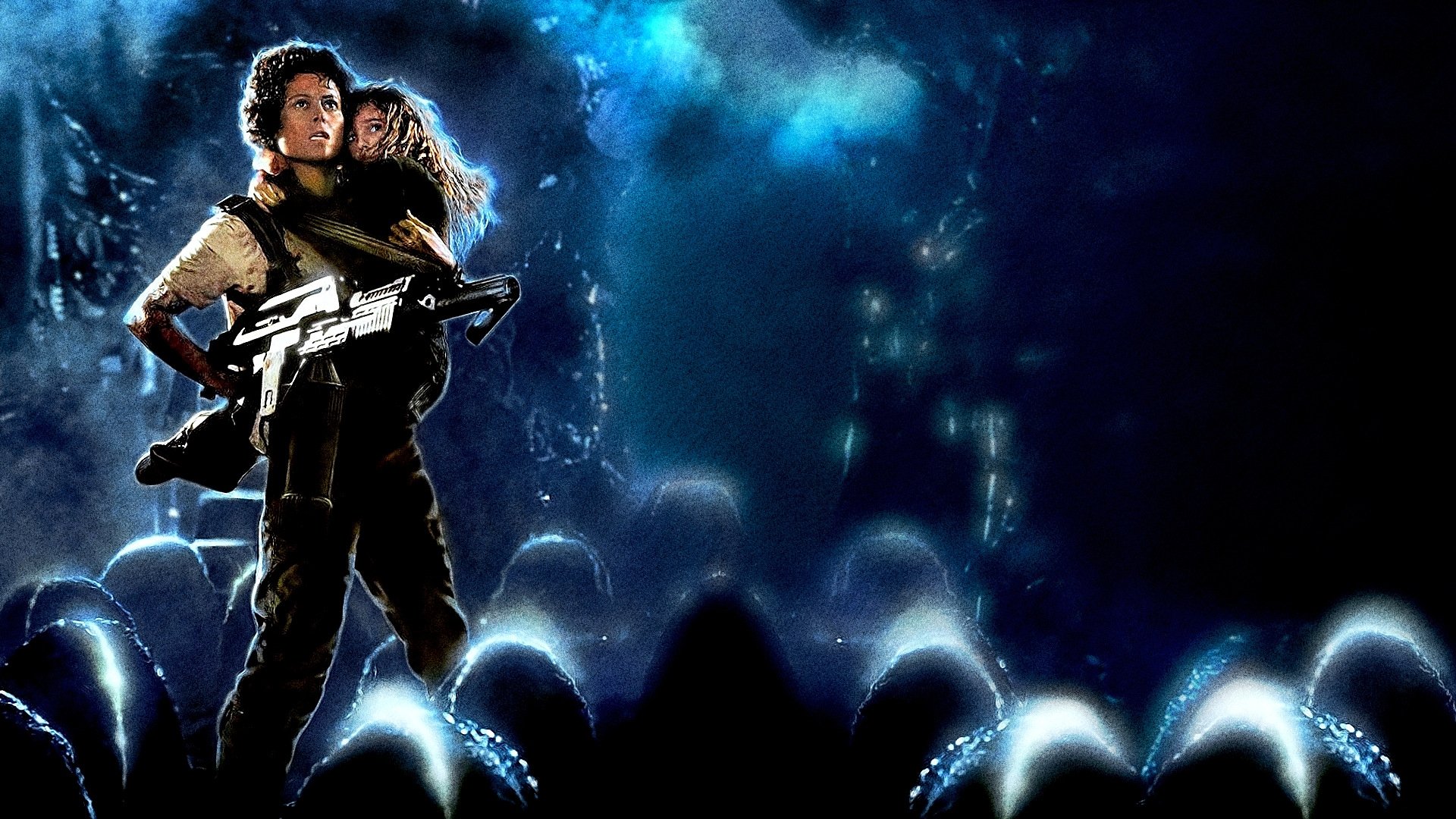
Aliens and the Brilliant Decision to Turn Survival Horror Into Platoon Panic
Cameron’s sequel works because it does not simply supersize Ridley Scott’s terror. It rebuilds the xenomorph threat around group collapse, siege pressure, and Ripley’s protective ferocity.
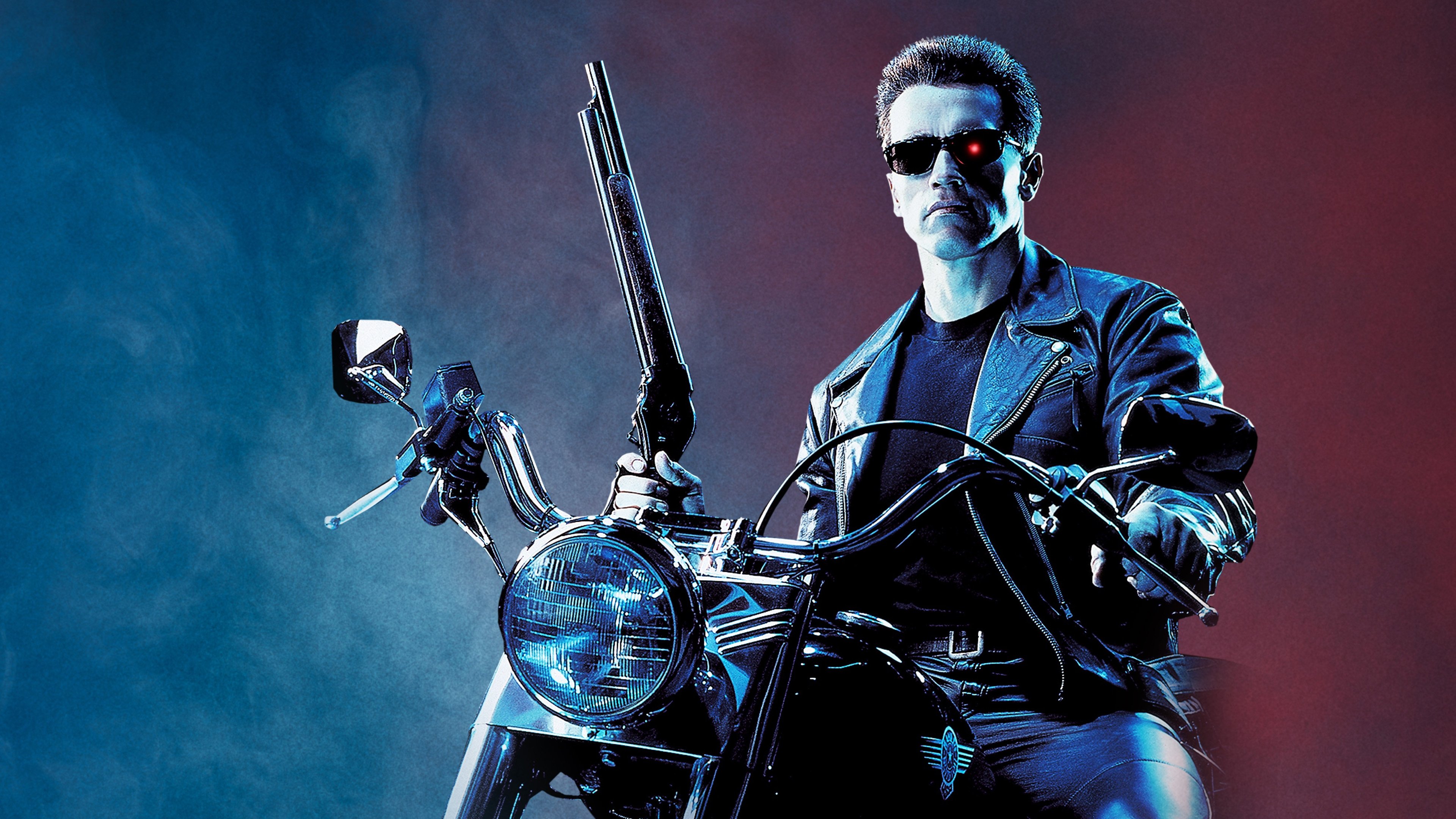
Terminator 2 and the Blockbuster Miracle of Making Machine War Feel Personal
James Cameron’s sequel gets larger, louder, and more advanced, but it stays alive because every escalation feeds the movie’s protector-child-parent triangle.
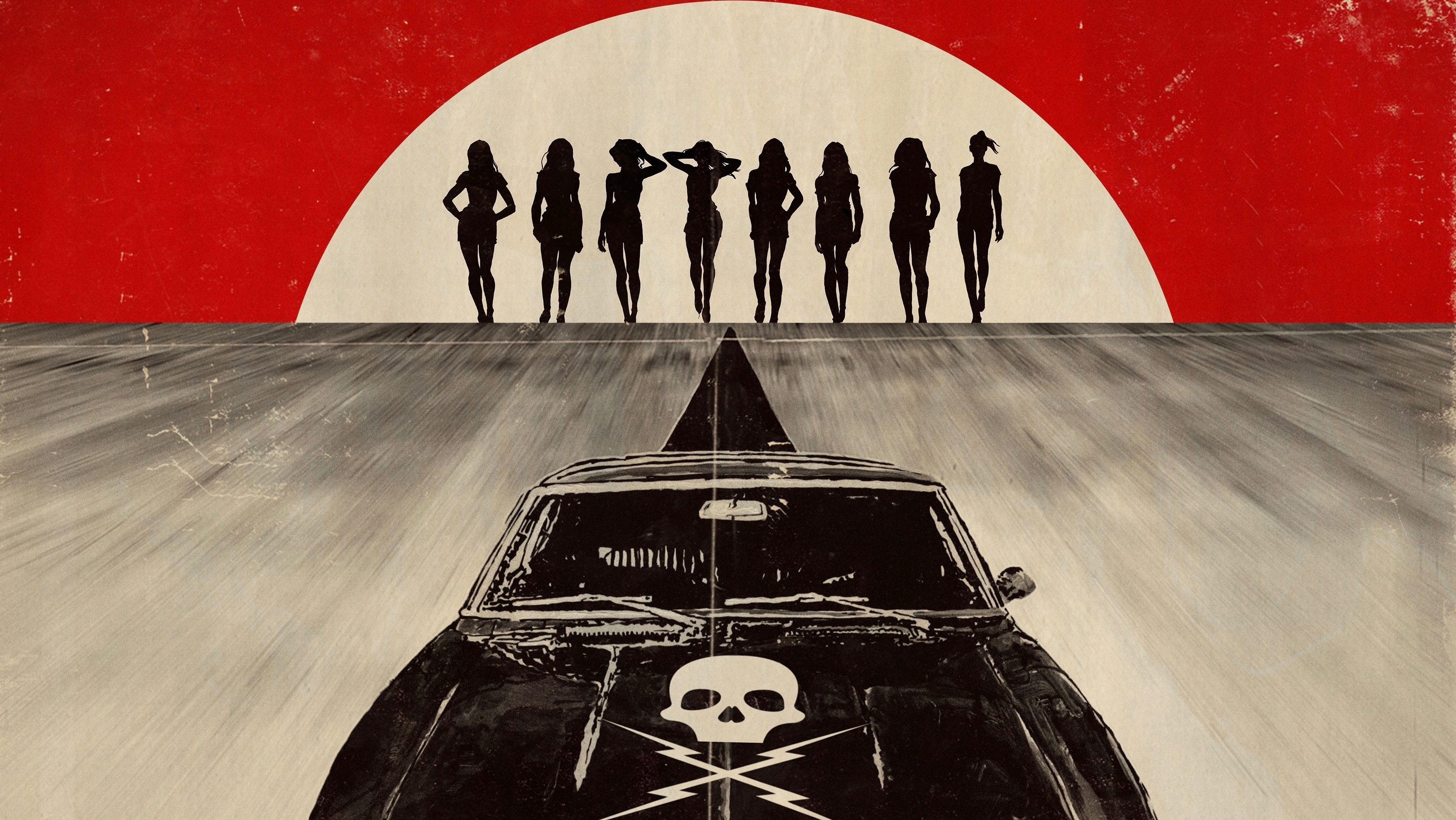
Death Proof and the Dirty Fun of Letting a Hangout Movie Turn Into a Stunt Manifesto
Death Proof has aged upward because its loose talk, abrasive structure, and practical-car violence all serve a movie that cares more about recoil, attitude, and physical cinema than consensus approval.