
Speed Racer
Find the movies with rewatch gravity, live dossiers, and unfinished cases worth deepening.
Movie dossier
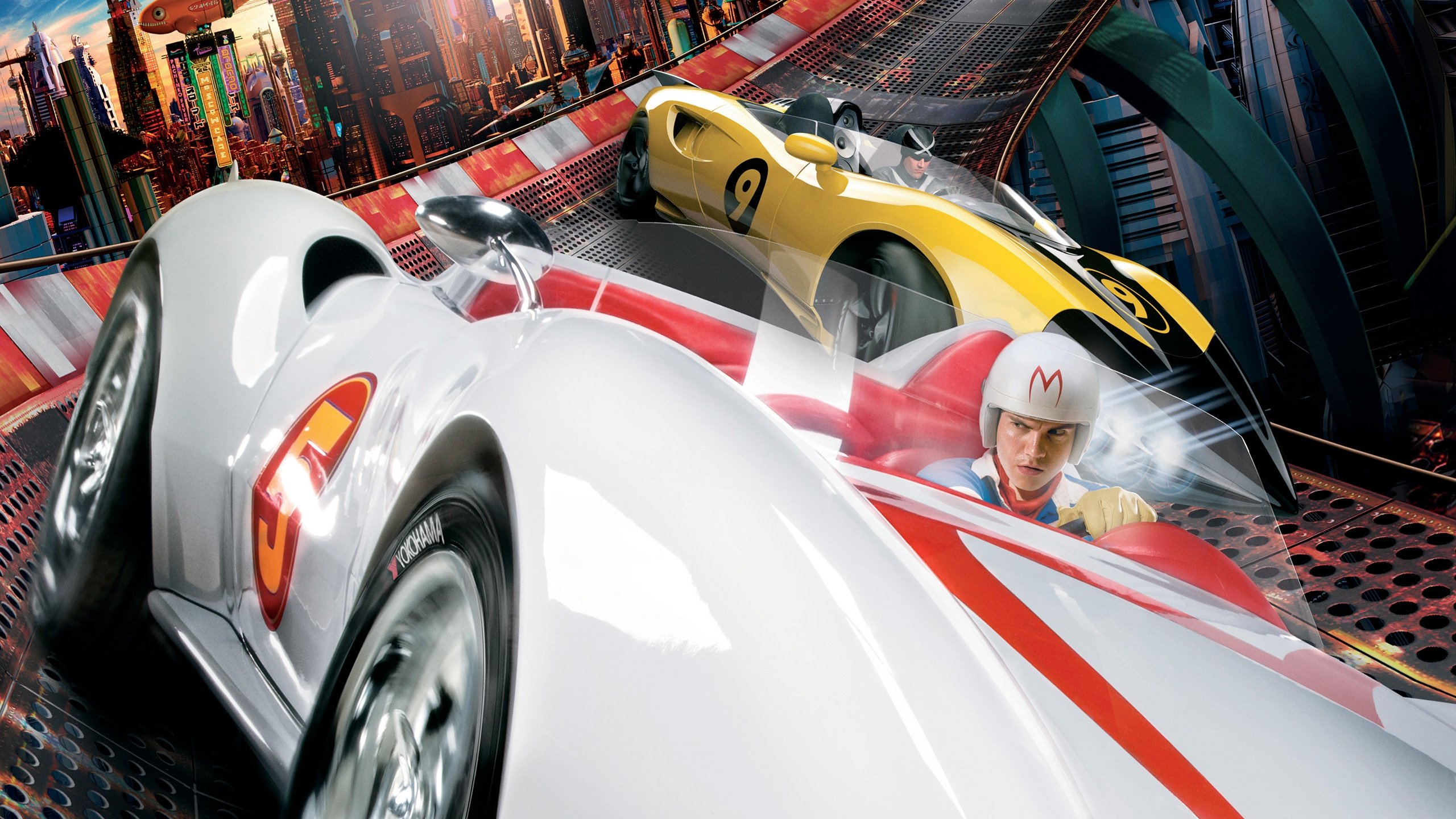
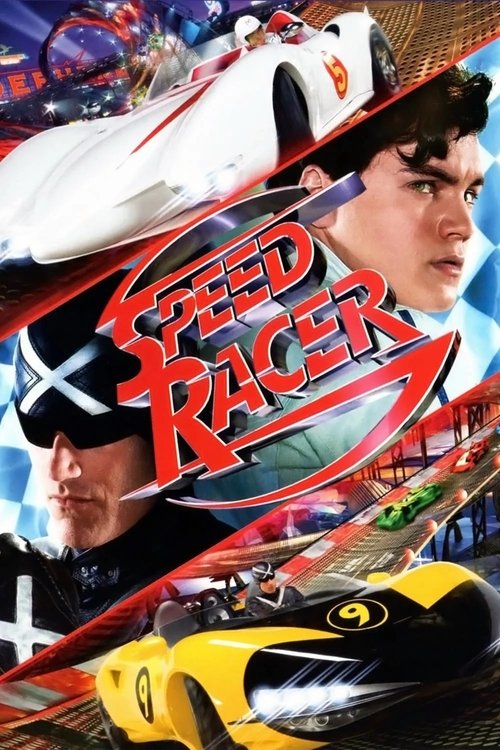
Speed Racer
The Wachowskis turn a racing cartoon into a candy-colored sincerity machine about family, corruption, and the spiritual purity of going fast.
Latest video signal
Trailer slot ready
A widescreen slot for the newest official trailer, interview, or scene signal when the page has a playable source.
Why it matters
Speed Racer matters because it is one of the great examples of a movie being rejected for the very qualities that later made it beloved: visual extremity, emotional sincerity, and total refusal to be embarrassed by its source. It treats pop color and family melodrama as a complete cinematic language.
Craft read
Layered digital space, smear-frame motion, and impossible color used as expressive grammar
Earnest family melodrama played straight inside maximal cartoon form
A flagship for reevaluated blockbusters, stylized family adventure, and pop maximalism
Themes
Cast and context
racing • family • corporate corruption • maximalism • anime adaptation
Lana Wachowski & Lilly Wachowski currently has 5 live movie pages in Cinema One.
View director pageCoverage status
A strong case file with real editorial shape: enough craft, context, and connection to guide a serious watch.
Production notes
- • The film’s digital style rejects photorealism in favor of kinetic collage, which is why it now feels more distinctive than many effects-driven peers.
- • John Goodman and Susan Sarandon are crucial because they ground the candy rush in parental warmth and moral steadiness.
- • A core Wachowski page because it proves their liberation cinema can be bright, familial, and openly sentimental without losing formal daring.
Watch-next pathway
What should you do after Speed Racer?
Three intentional continuations: stay with the filmmaker, chase the dominant pressure signal, or jump into the shelf or argument that best explains why this movie belongs here.
The Matrix
The cleanest next move if Lana Wachowski & Lilly Wachowski's control, obsessions, or rhythm are what hooked you here.
More family
Use the taste map to find movies, arguments, and shelves that share this page's strongest signal.
Stylized Worlds
Big visual identity, mythic energy, and movies that know exactly how they want to look and feel.
Movie-page argument
Defend Speed Racer.
If this movie has a scene, performance, ending, or idea people underrate, make the case. The best defenses can become future Cinema One argument material.
Scene challenge
Pick the scene that proves it.
Cinema One is built around scenes that unlock the movie. Tell us which moment carries the pressure, style, argument, or rewatch charge.
Signature scene: the final race turns memory into acceleration
The climax works because Speed is not just trying to win a race. The movie lets family memory, childhood play, grief, and artistic integrity rush into the same movement, making speed feel like the shape of a whole life coming into focus.
Line worth carrying forward
“It doesn’t matter if racing never changes. What matters is if we let racing change us.” The line is the movie’s sincerity in miniature: institutions may be corrupt, but the act can still carry meaning if the person doing it stays clean.
Why the ending feels like vindication
The ending satisfies because the movie has made winning inseparable from moral refusal. Speed crosses the line for his family, his brother, and his own sense of play, so the victory feels emotional before it feels competitive.
Steelman the debate
A fair critique is that Speed Racer is overwhelming, visually busy, and too earnest for viewers who want irony or restraint. The best defense is that overwhelming sincerity is the design. The film creates a world where pop art, family love, and anti-corporate feeling all move at the same impossible velocity.
More from this director
Related picks
Read next
Cameron’s sequel works because it does not simply supersize Ridley Scott’s terror. It rebuilds the xenomorph threat around group collapse, siege pressure, and Ripley’s protective ferocity.
James Cameron’s sequel gets larger, louder, and more advanced, but it stays alive because every escalation feeds the movie’s protector-child-parent triangle.
Kill Bill: Vol. 1 still rips because Tarantino treats genre citation as movement, not trivia, building a revenge movie that keeps changing shape without losing its line of attack.