
Bottle Rocket
Find the movies with rewatch gravity, live dossiers, and unfinished cases worth deepening.
Movie dossier
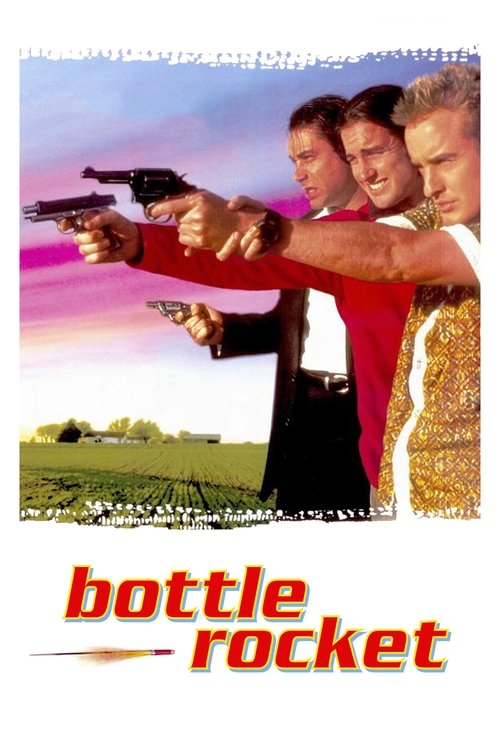
Bottle Rocket
Wes Anderson’s debut, already fascinated by schemes, loyalty, and people trying to invent cooler selves than the ones they can actually sustain.
Latest video signal
Trailer slot ready
A widescreen slot for the newest official trailer, interview, or scene signal when the page has a playable source.
Why it matters
Bottle Rocket matters because it captures Anderson before the style became a brand, when the charm was looser, sadder, and more obviously tied to failed confidence. The movie is small, but it contains the beginnings of his whole interest in chosen families, capers as emotional camouflage, and people performing sophistication they have not yet earned.
Craft read
A modest caper-comedy where tone and character awkwardness do the heavy lifting
Deadpan aspiration and genuine vulnerability constantly undercut each other
A key first sketch of the Anderson worldview before it hardened into recognizable iconography
Themes
Cast and context
friendship • heist • texas • indie film • debut • wes anderson
Coverage status
A strong case file with real editorial shape: enough craft, context, and connection to guide a serious watch.
Production notes
- • Owen Wilson and Luke Wilson give the movie its pulse because their brotherly comic chemistry already feels built on affection and disappointment together.
- • The film’s slightness is part of its appeal; it watches small-time dreamers with tenderness instead of forcing them into grand revelation.
- • An important Cinema One page because first-feature origin stories matter when they reveal an auteur in embryonic but recognizable form.
Watch-next pathway
What should you do after Bottle Rocket?
Three intentional continuations: stay with the filmmaker, chase the dominant pressure signal, or jump into the shelf or argument that best explains why this movie belongs here.
More friendship
Use the taste map to find movies, arguments, and shelves that share this page's strongest signal.
A useful reminder that Wes Anderson started with human scale, nervous energy, and failure before the brand fully hardened.
Strong for debut-feature conversations, crime-comedy lanes, and arguments that Anderson's sensibility was emotionally generous before it became instantly recognizable design.
Movie-page argument
Defend Bottle Rocket.
If this movie has a scene, performance, ending, or idea people underrate, make the case. The best defenses can become future Cinema One argument material.

Scene challenge
Pick the scene that proves it.
Cinema One is built around scenes that unlock the movie. Tell us which moment carries the pressure, style, argument, or rewatch charge.
Signature scene: the motel stretch lets aspiration and embarrassment live side by side
Bottle Rocket comes into focus when the would-be criminal cool starts giving way to awkward human feeling. The motel passages matter because Anderson turns hanging around, half-plans, and romantic possibility into a tone world where failure is already becoming poignant rather than merely comic.
Line worth carrying forward
"On the run from Johnny Law... ain't no trip to Cleveland." The line survives because it sounds like self-mythologizing from people whose outlaw glamour is barely holding together, which is exactly the movie’s sweet spot.
Why the ending feels gently bruised
Bottle Rocket works at the finish because it does not punish its characters with harsh realism or rescue them with fake triumph. It leaves them in a more modest emotional register, chastened but not destroyed, which lets the movie preserve its tenderness toward people who are never quite equal to their own fantasies.
Steelman the debate
A fair critique is that Bottle Rocket can feel minor beside Anderson’s more fully realized later work, more promising than complete. The strongest defense is that the incompleteness is part of its fascination. You can feel the filmmaker discovering exactly how melancholy, comedy, and self-conscious cool might fit together.
Shows up in
Collection pathway still being shaped.
More from this director
Related picks
Read next
Cameron’s action-comedy stays watchable because it never treats the marriage plot as filler. Embarrassment, deception, and spectacle are all part of the same propulsion system.
Tarantino’s debut still crackles because it treats the failed heist as an excuse to trap voice, ego, and suspicion in one room until everyone starts bleeding through their own performance.
Tarantino’s warmest movie lasts because swagger gives way to patience, compromise, and the ache of people trying to buy back a little room to breathe.