Untitled Tenth Feature
Find the movies with rewatch gravity, live dossiers, and unfinished cases worth deepening.
Movie dossier
Untitled Tenth Feature
A legacy-weight watch page built around Tarantino’s self-declared final-film myth before the movie itself is public.
Latest video signal
Trailer slot ready
A widescreen slot for the newest official trailer, interview, or scene signal when the page has a playable source.
Why it matters
The uncertainty is the story. Tarantino has turned the idea of a tenth feature into its own late-career myth, so every real movement matters less as gossip than as pressure on what a final Tarantino movie could even mean.
Craft read
Unconfirmed final-feature project
A living file about legacy, expectation, and authorship framing
Important anchor for the Tarantino lane and the upcoming radar surface
Themes
Cast and context
Coverage status
A fully shaped Cinema One case: the movie has enough authored context, pathway links, and argument to feel like more than a catalog entry.
Production notes
- • The absence of a locked title is part of the page’s meaning, not a weakness to hide.
- • Coverage should distinguish between shelved ideas, credible trade reporting, and direct Tarantino statements.
- • This page is most useful when it tracks the changing shape of the project rather than pretending a finished movie already exists.
Watch-next pathway
What should you do after Untitled Tenth Feature?
Three intentional continuations: stay with the filmmaker, chase the dominant pressure signal, or jump into the shelf or argument that best explains why this movie belongs here.
Pulp Fiction
The cleanest next move if Quentin Tarantino's control, obsessions, or rhythm are what hooked you here.
More legacy
Use the taste map to find movies, arguments, and shelves that share this page's strongest signal.
Upcoming Radar
High-attention future releases that already deserve editorial tracking instead of bare release-calendar treatment.
Movie-page argument
Defend Untitled Tenth Feature.
If this movie has a scene, performance, ending, or idea people underrate, make the case. The best defenses can become future Cinema One argument material.
Scene challenge
Pick the scene that proves it.
Cinema One is built around scenes that unlock the movie. Tell us which moment carries the pressure, style, argument, or rewatch charge.
Production file
How the movie became this object
BTS file: the absence is the material
There is no responsible behind-the-scenes shelf yet because there is no locked production. That absence should stay visible instead of being papered over with rumor art or recycled Tarantino mythology.
Poster file: no fake final-film key art
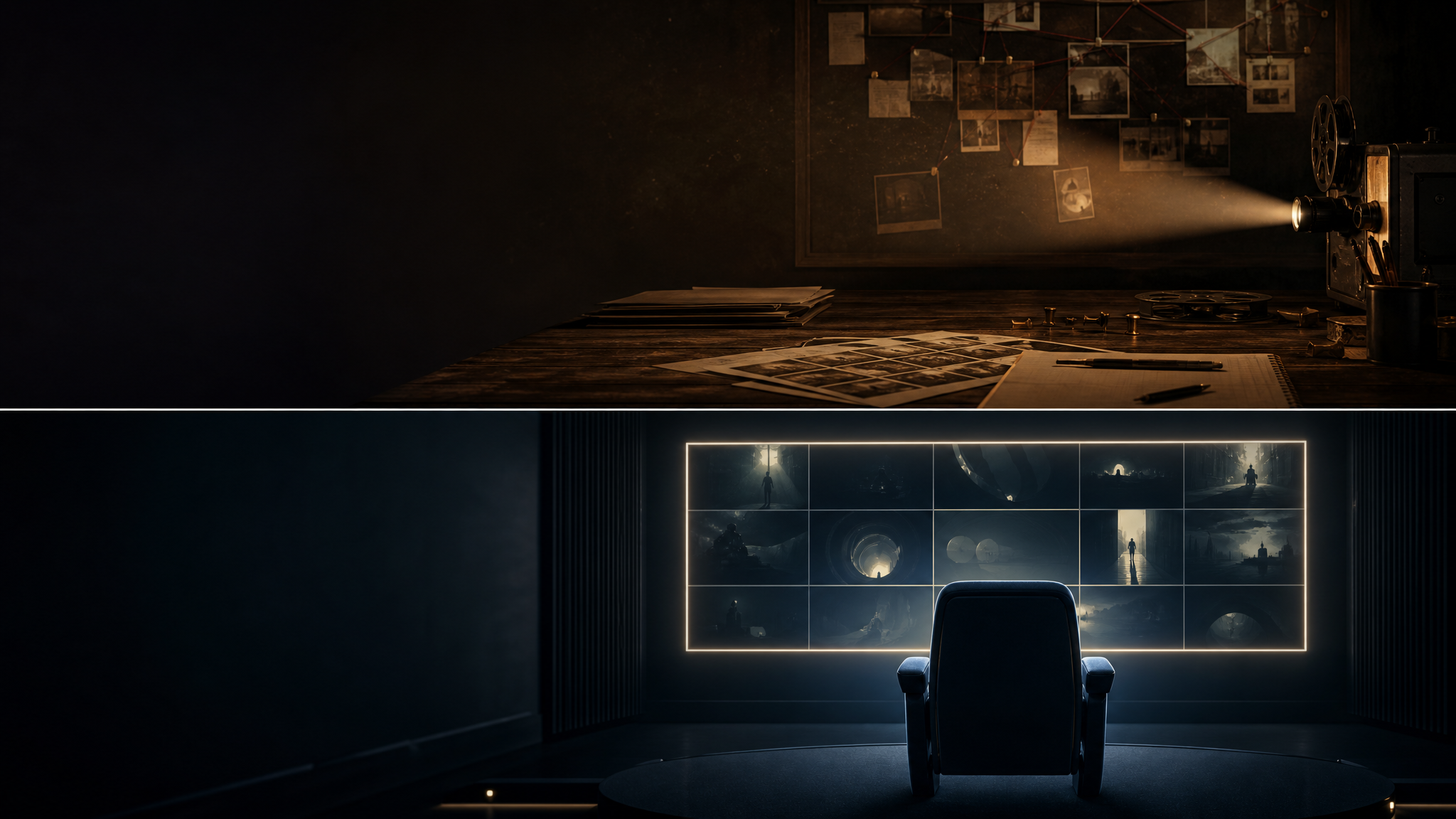
The current art should read as placeholder/editorial atmosphere only. The page becomes more useful by naming that status clearly until a real title, package, or production start exists.
Campaign read: legacy pressure is the story
The pressure around a possible final Tarantino feature is the material: the tenth-film rule shapes expectation before the movie has a public form.
Confirmed so far
- • Tarantino has long framed his next directed feature as his likely tenth and final film.
- • The previously reported The Movie Critic direction did not become the locked final feature.
- • No official title, cast, or production start for the next Tarantino-directed film is confirmed here yet.
What to watch for
- • A new title registration or trade-confirmed package would immediately change the page from abstract legacy watch to concrete production file.
- • Any direct Tarantino interview clarifying whether the final-film rule still holds would reshape the whole conversation.
- • Studio attachment, financing movement, or a cast shortlist would tell us whether the project is becoming intimate, sprawling, or genre-coded.
Open questions
- • Will Tarantino treat the final film as a summation of his whole style or deliberately dodge that expectation?
- • Does he still want the next movie to function as a strict career endpoint, or has that framing softened?
- • Will the project emerge from an original idea, a long-circulating script, or a late-career left turn nobody is predicting yet?
More from this director
Related picks
Read next
Jackie Brown, Kill Bill: Vol. 2, The Hateful Eight, and Once Upon a Time in Hollywood all reveal a filmmaker getting more interested in aftermath, drift, and emotional residue than in pure pop detonation.
Tarantino’s war fantasia works because the suspense is not built on firefights first. It is built on who can control the room, the accent, the cover story, and the next sentence.
Django Unchained keeps provoking real argument because Tarantino binds romance, atrocity, comedy, and blood-soaked fantasy into one intentionally unstable western object.