Search
Find the right movie, director, article, or collection without falling into database sludge.
Find the strongest way into the room
Find the movie pressure, filmmaker system, shelf, or argument that fits the appetite.
Use the full search page when the question is bigger than a title: pressure rooms, control freaks, survival engines, record-collection movies, and the arguments that connect them.
Search pulse
Recommended route
A cleaner path through “Status Traps Oliver Stone James Foley” than a flat result list.
Start with the highest-signal entry, then move through authorship, mood, or argument depending on what the search surfaced.
First click
1Wall Street
Oliver Stone · 1987 · Drama. Start with the strongest title match, then branch into linked reads and collection lanes.
Then trace the author
2James Foley
Actor-forward pressure cookers where language becomes a weapon Use the filmmaker page to turn one match into a working system across Glengarry Glen Ross and At Close Range.
Then widen the mood
3Status Traps
Ambition, reputation management, and movies where climbing the ladder quietly poisons the people doing it.
Refine this search pass
Movies
Movie matches
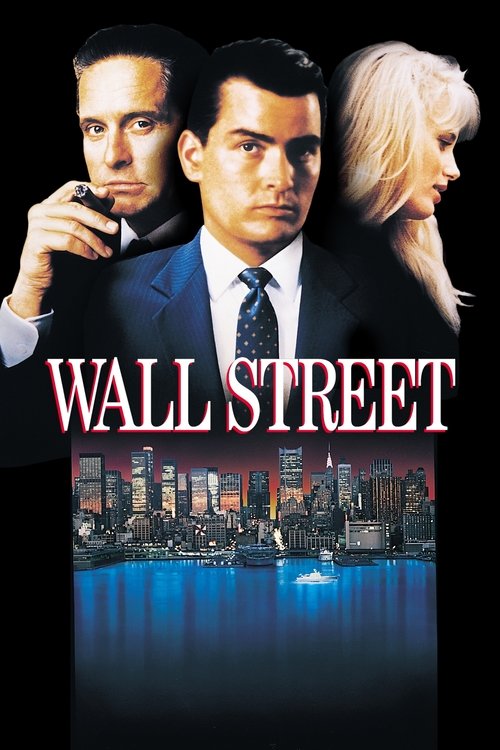
Wall Street
1987Oliver Stone
Every dream has its price.
Next pressure pass: This page is in strong shape. Add more authored context only if it serves a bigger lane.

The Social Network
2010David Fincher
You don’t get to 500 million friends without making a few enemies.
Next pressure pass: This page is in strong shape. Add more authored context only if it serves a bigger lane.
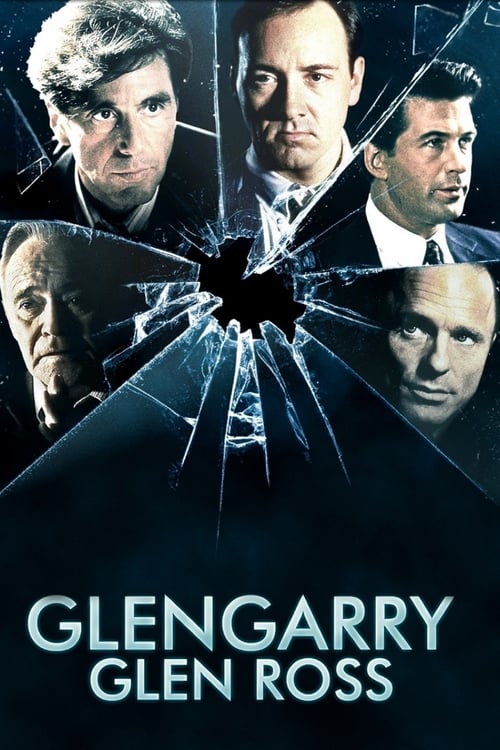
Glengarry Glen Ross
1992James Foley
A story for everyone who works for a living.
Next pressure pass: This page is in strong shape. Add more authored context only if it serves a bigger lane.
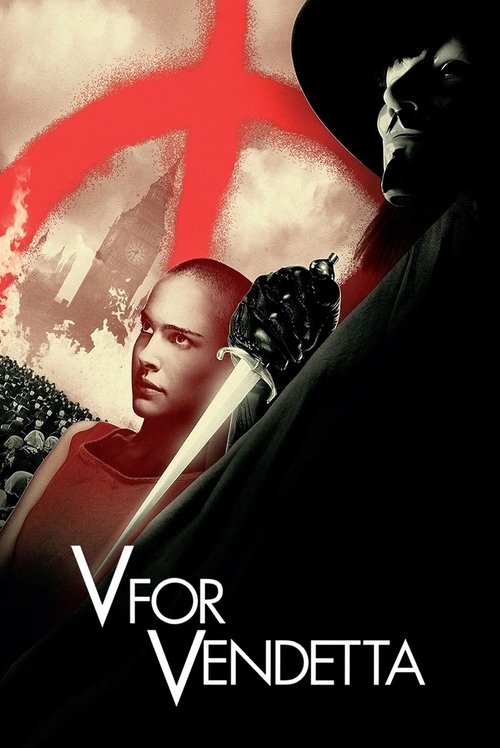
V for Vendetta
2006James McTeigue
People should not be afraid of their governments. Governments should be afraid of their people.
Next pressure pass: Add an editorial argument card so the page can make a sharper case.
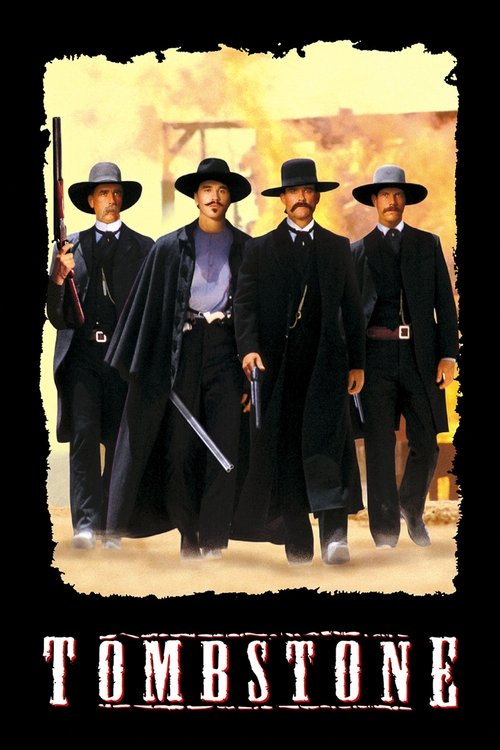
Tombstone
1993George P. Cosmatos
Justice is coming.
Next pressure pass: This page is in strong shape. Add more authored context only if it serves a bigger lane.
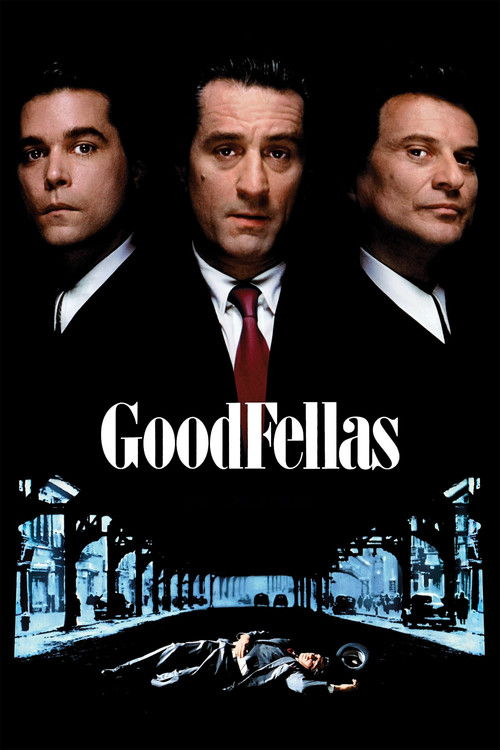
Goodfellas
1990Martin Scorsese
Three decades of life in the mafia.
Next pressure pass: This page is in strong shape. Add more authored context only if it serves a bigger lane.
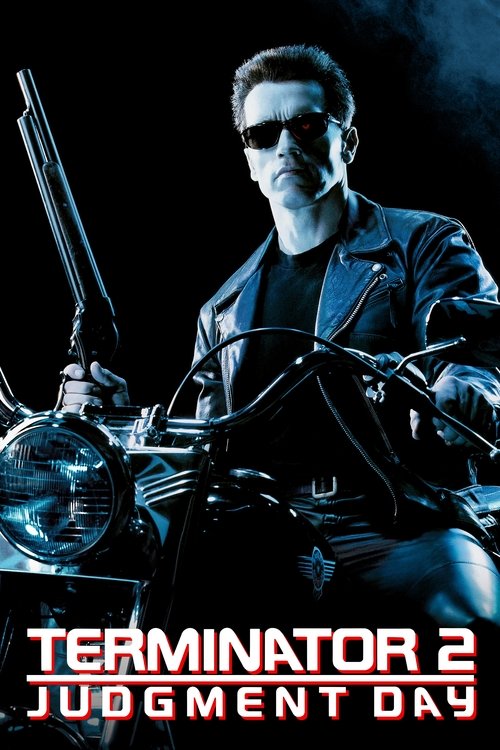
Terminator 2: Judgment Day
1991James Cameron
It’s nothing personal.
Next pressure pass: This page is in strong shape. Add more authored context only if it serves a bigger lane.
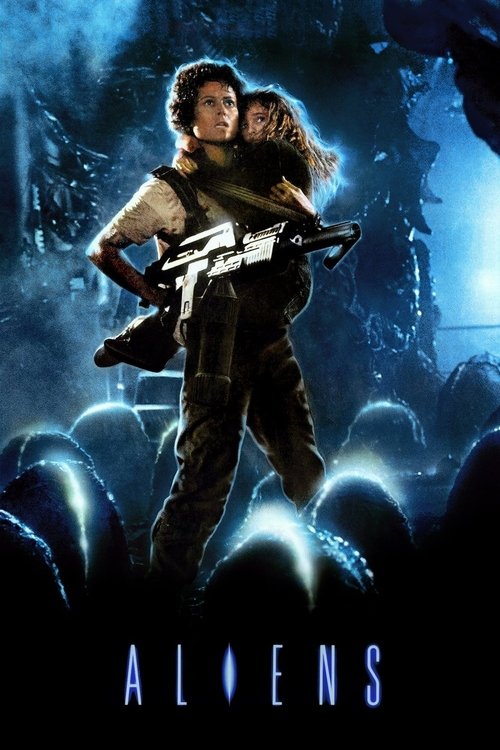
Aliens
1986James Cameron
There are some places in the universe you don’t go alone.
Next pressure pass: This page is in strong shape. Add more authored context only if it serves a bigger lane.
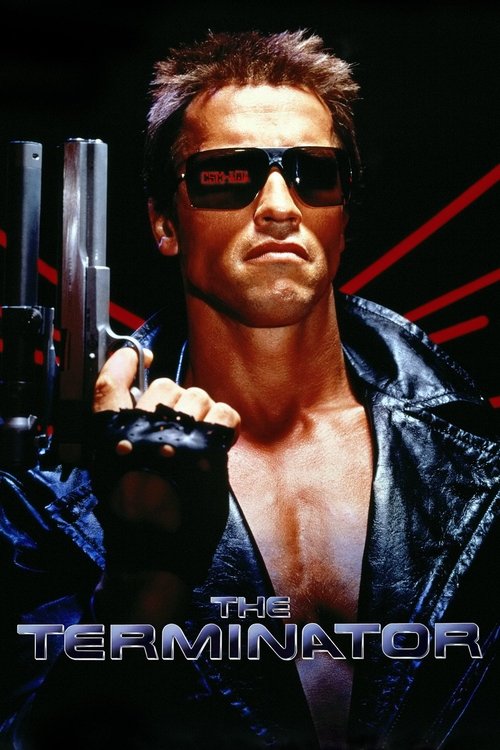
The Terminator
1984James Cameron
In the Year of Darkness, 2029, the rulers of this planet devised the ultimate plan.
Next pressure pass: This page is in strong shape. Add more authored context only if it serves a bigger lane.

Avatar
2009James Cameron
Enter the world of Pandora.
Next pressure pass: This page is in strong shape. Add more authored context only if it serves a bigger lane.
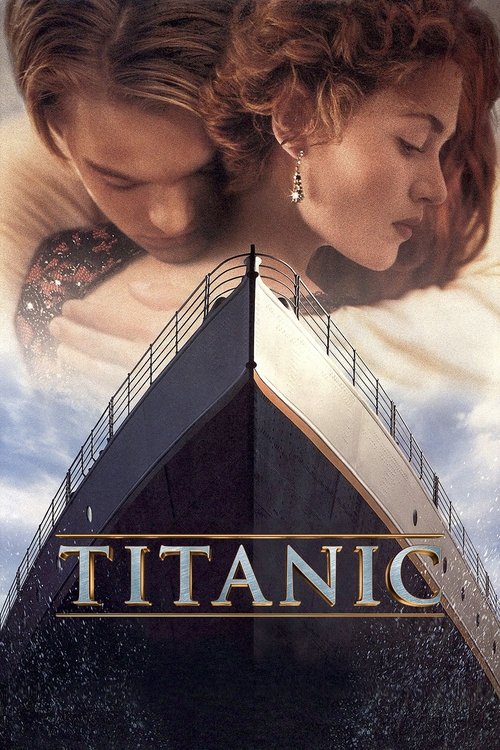
Titanic
1997James Cameron
Nothing on Earth could come between them.
Next pressure pass: This page is in strong shape. Add more authored context only if it serves a bigger lane.

Avatar: The Way of Water
2022James Cameron
Return to Pandora.
Next pressure pass: This page is in strong shape. Add more authored context only if it serves a bigger lane.
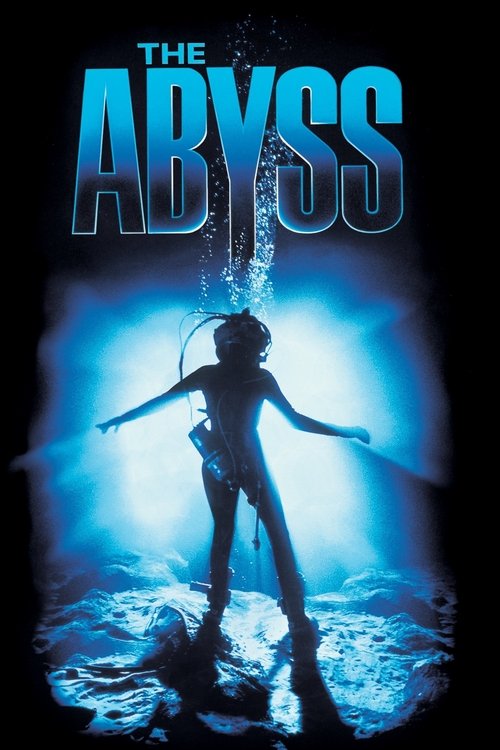
The Abyss
1989James Cameron
A place on earth more awesome than anywhere in space.
Next pressure pass: This page is in strong shape. Add more authored context only if it serves a bigger lane.
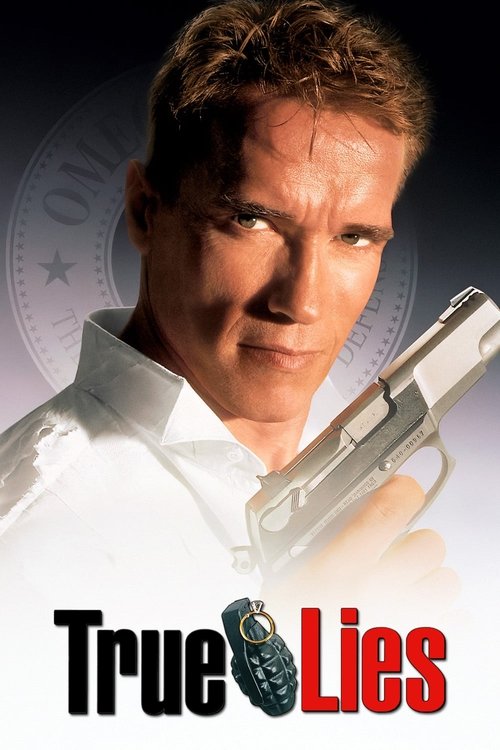
True Lies
1994James Cameron
When he said I do, he never said what he did.
Next pressure pass: This page is in strong shape. Add more authored context only if it serves a bigger lane.
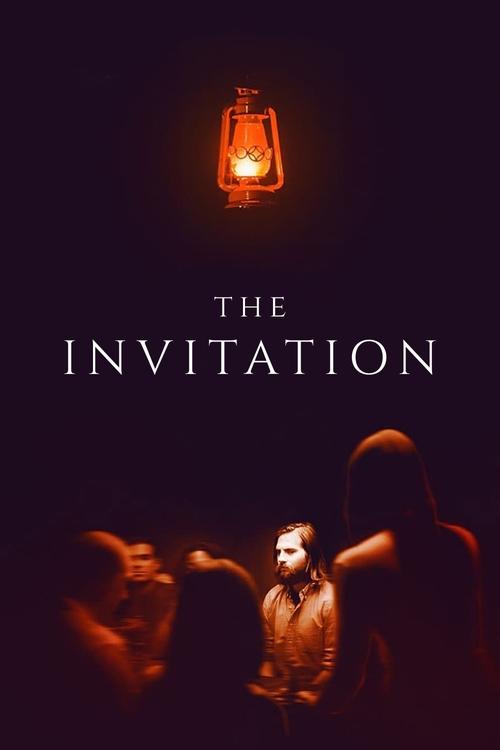
The Invitation
2015Karyn Kusama
There is nothing to be afraid of.
Next pressure pass: Add an editorial argument card so the page can make a sharper case.
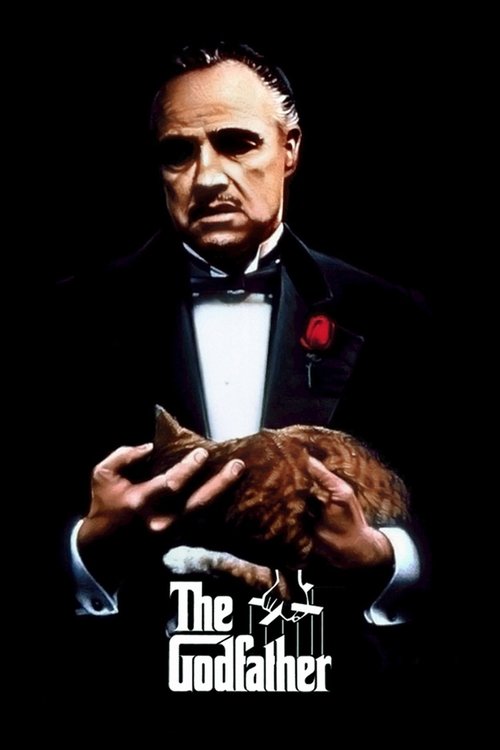
The Godfather
1972Francis Ford Coppola
An offer you can't refuse.
Next pressure pass: This page is in strong shape. Add more authored context only if it serves a bigger lane.
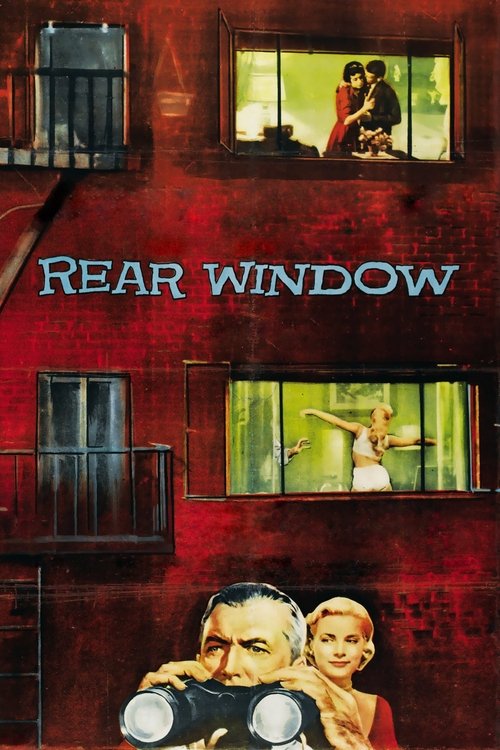
Rear Window
1954Alfred Hitchcock
It only takes one witness to spoil the perfect crime.
Next pressure pass: This page is in strong shape. Add more authored context only if it serves a bigger lane.
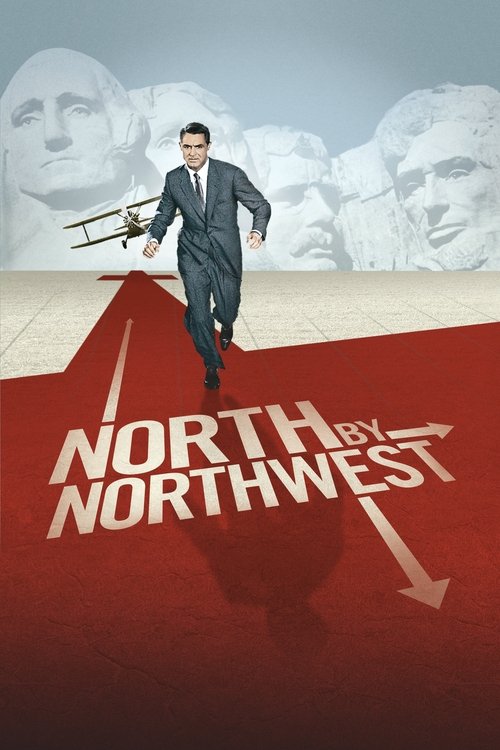
North by Northwest
1959Alfred Hitchcock
The wrong man in the wrong place at the wrong time.
Next pressure pass: This page is in strong shape. Add more authored context only if it serves a bigger lane.
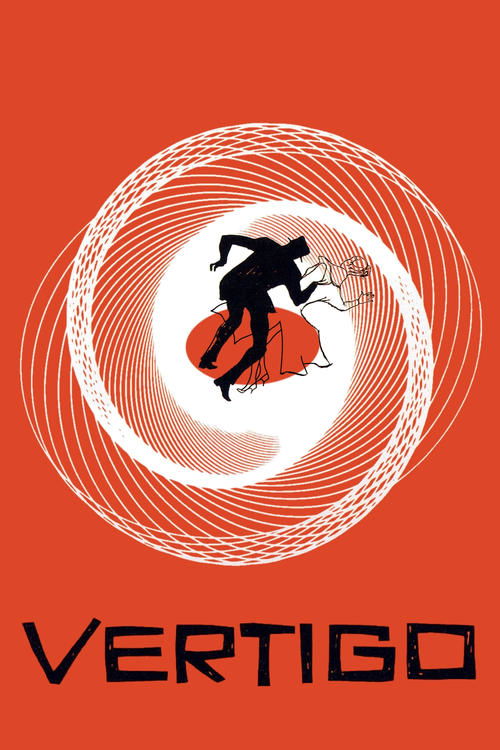
Vertigo
1958Alfred Hitchcock
Alfred Hitchcock engulfs you in a whirlpool of terror and tension.
Next pressure pass: This page is in strong shape. Add more authored context only if it serves a bigger lane.
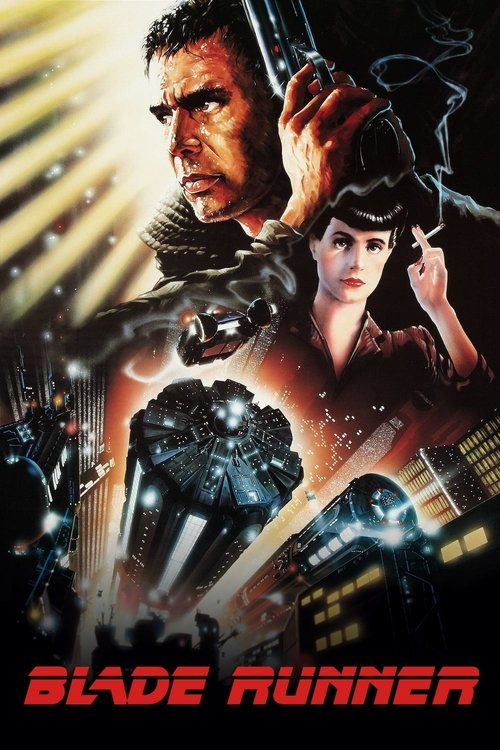
Blade Runner
1982Ridley Scott
Man has made his match. Now it is his problem.
Next pressure pass: This page is in strong shape. Add more authored context only if it serves a bigger lane.
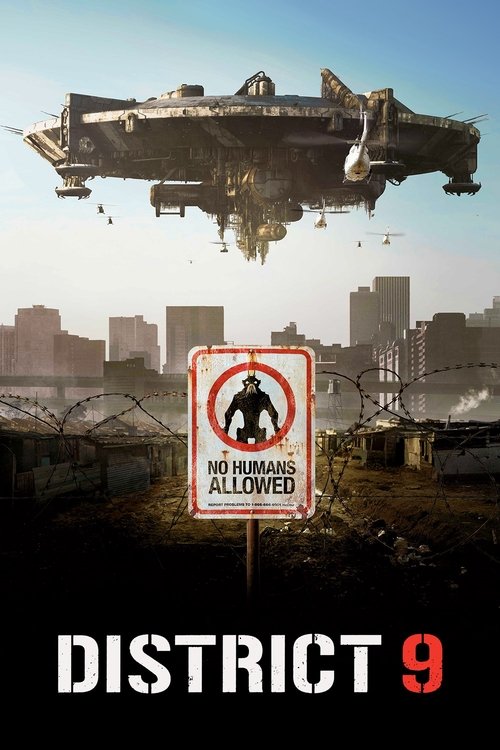
District 9
2009Neill Blomkamp
You are not welcome here.
Next pressure pass: Add an editorial argument card so the page can make a sharper case.
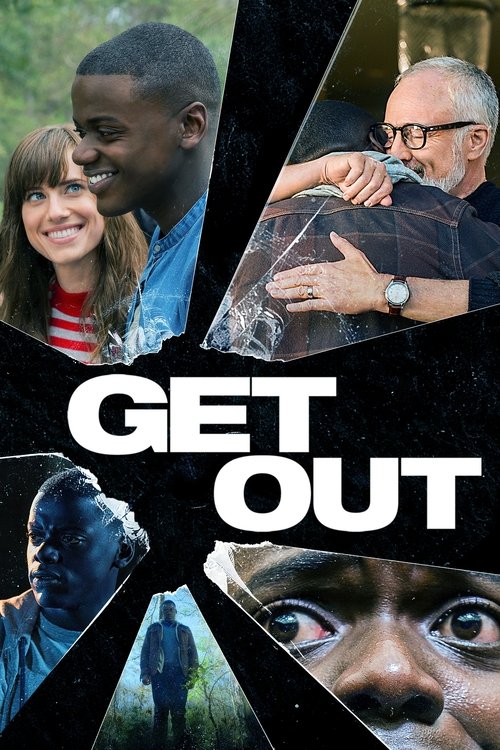
Get Out
2017Jordan Peele
Just because you are invited, does not mean you belong.
Next pressure pass: Place this title inside at least one collection for stronger discovery.
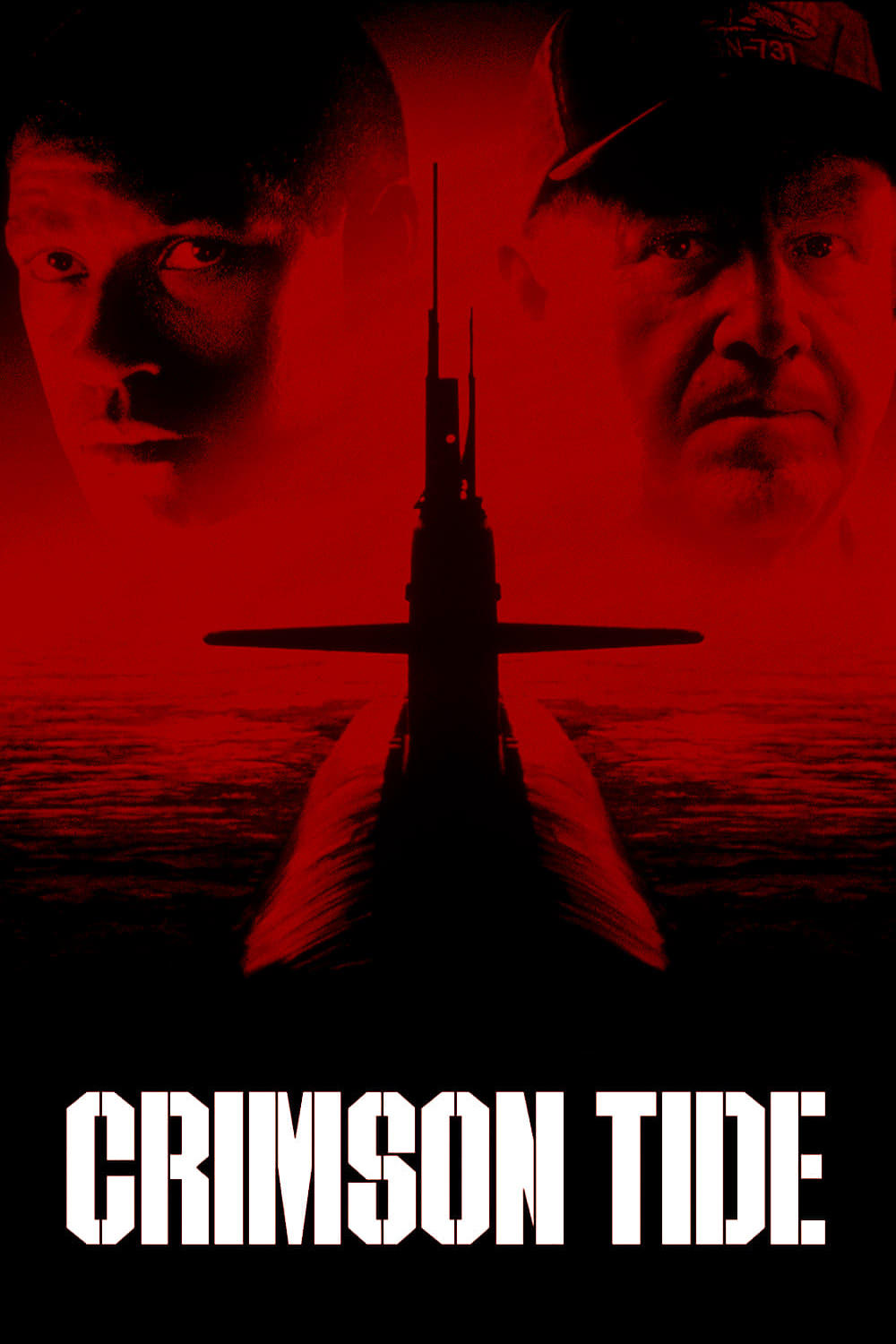
Crimson Tide
1995Tony Scott
Danger runs deep.
Next pressure pass: This page is in strong shape. Add more authored context only if it serves a bigger lane.
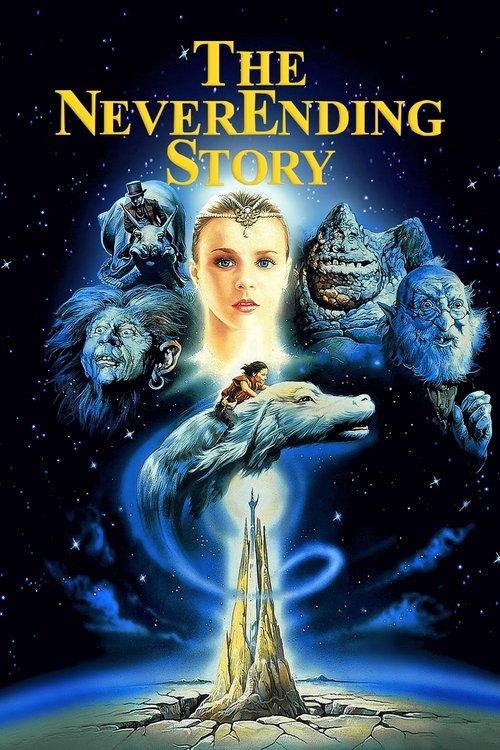
The NeverEnding Story
1984Wolfgang Petersen
A childhood fantasy where imagination is not escape; it is resistance.
Next pressure pass: Add an editorial argument card so the page can make a sharper case.
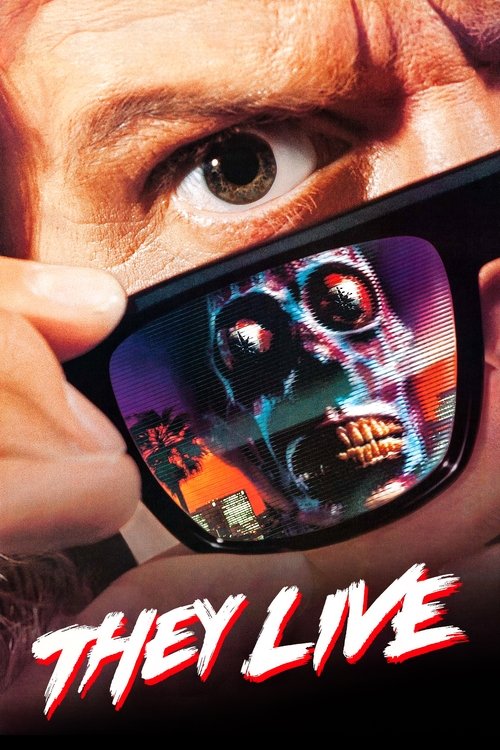
They Live
1988John Carpenter
You see them on the street. You watch them on TV. You might even vote for one this fall.
Next pressure pass: This page is in strong shape. Add more authored context only if it serves a bigger lane.

The Virgin Suicides
1999Sofia Coppola
Suburbia as a sealed room, memory as the unreliable narrator.
Next pressure pass: Add an editorial argument card so the page can make a sharper case.

Us
2019Jordan Peele
Watch yourself.
Next pressure pass: Place this title inside at least one collection for stronger discovery.
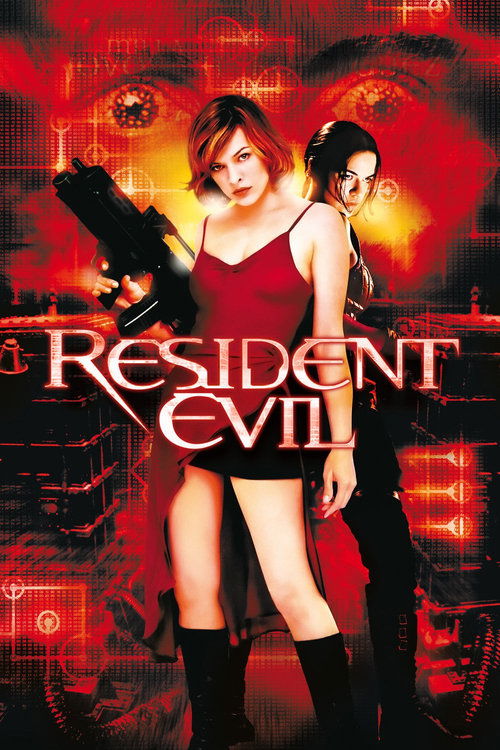
Resident Evil
2002Paul W. S. Anderson
A video-game nightmare turns corporate architecture into a kill box.
Next pressure pass: Add the next dossier module, ideally ending.
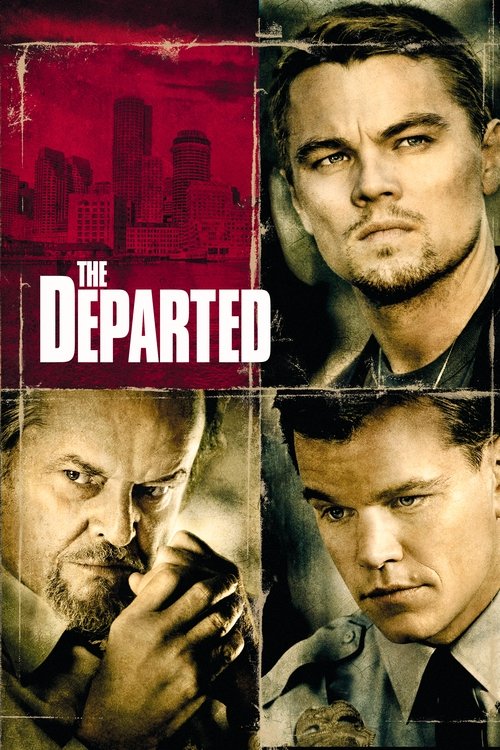
The Departed
2006Martin Scorsese
Lies. Betrayal. Sacrifice. How far will you take it?
Next pressure pass: This page is in strong shape. Add more authored context only if it serves a bigger lane.
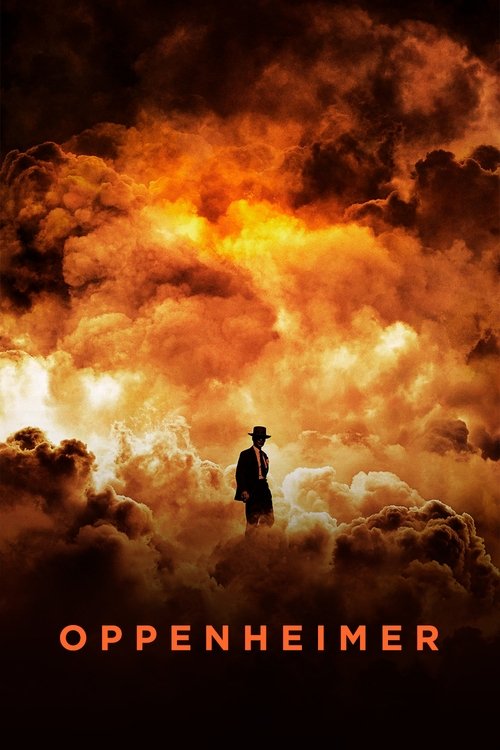
Oppenheimer
2023Christopher Nolan
The world forever changes.
Next pressure pass: This page is in strong shape. Add more authored context only if it serves a bigger lane.
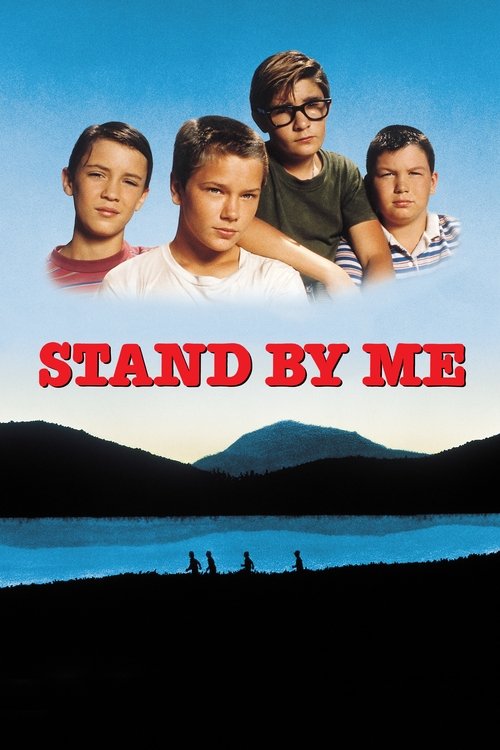
Stand by Me
1986Rob Reiner
A childhood walk that already knows what it lost.
Next pressure pass: Add an editorial argument card so the page can make a sharper case.
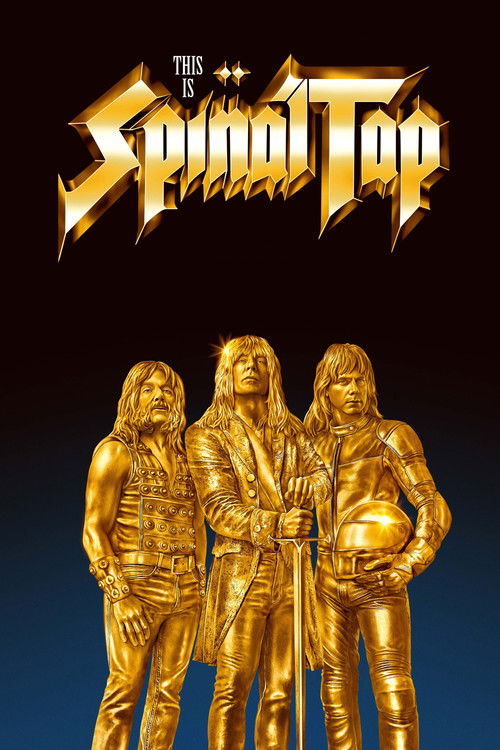
This Is Spinal Tap
1984Rob Reiner
Does for rock and roll what "The Sound of Music" did for hills.
Next pressure pass: This page is in strong shape. Add more authored context only if it serves a bigger lane.

Little Women
2019Greta Gerwig
Own your story.
Next pressure pass: This page is in strong shape. Add more authored context only if it serves a bigger lane.
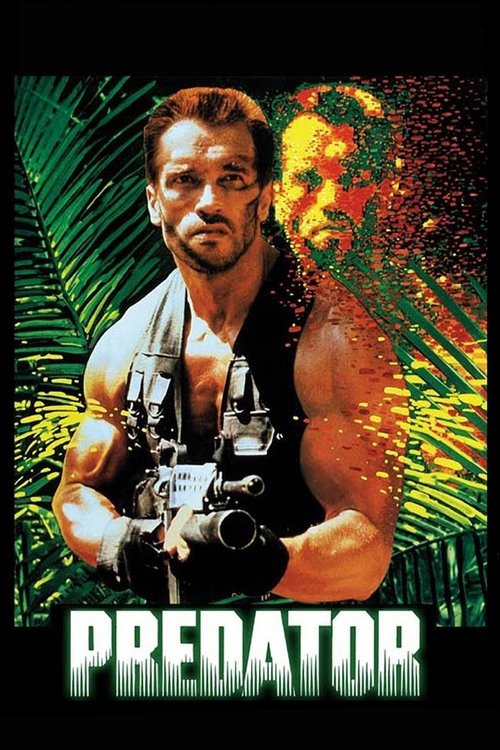
Predator
1987John McTiernan
If it bleeds, we can kill it.
Next pressure pass: Add an editorial argument card so the page can make a sharper case.
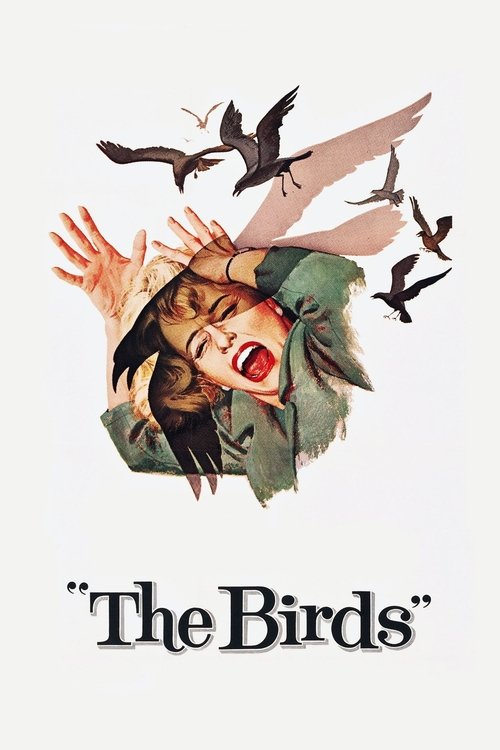
The Birds
1963Alfred Hitchcock
…and remember, the next scream you hear may be your own.
Next pressure pass: This page is in strong shape. Add more authored context only if it serves a bigger lane.
The Hurt Locker
2008Kathryn Bigelow
War is a drug.
Next pressure pass: Add an editorial argument card so the page can make a sharper case.

Lady Bird
2017Greta Gerwig
Fly away home.
Next pressure pass: This page is in strong shape. Add more authored context only if it serves a bigger lane.
Directors
Director matches

James Foley
Actor-forward pressure cookers where language becomes a weapon

Oliver Stone
Aggressive, argumentative filmmaking charged with power, paranoia, and American appetite

James Cameron
Engineering-driven spectacle fused to survival pressure and emotional clarity

James McTeigue
Matrix-trained action grammar used for symbols, surveillance, and theatrical resistance

Jordan Peele
Social commentary through genre filmmaking

David Fincher
Control-freak cinema where systems, rot, evidence, and desire keep tightening the frame

Victor Fleming
Big-studio mythmaking delivered with momentum, craft, and emotional directness

Emerald Fennell
Candy-colored surfaces, social punishment, performance traps, and endings that force the audience to audit its appetite

Tony Kaye
Raw, confrontational filmmaking focused on systems, damage, and provocation

Neill Blomkamp
Dirty future tech, refugee-camp pressure, and military hardware colliding with social satire

Steven Spielberg
Classical clarity, emotional immediacy, and blockbuster scale with human stakes

Mary Harron
Cold-eyed social critique delivered with wit, control, and moral disgust

George P. Cosmatos
Muscular genre filmmaking built around swagger, hardware, and clean mythic stakes

Martin Scorsese
Kinetic guilt cinema where crime, faith, appetite, and performance keep collecting interest

Jane Campion
Interior pressure, landscape as desire, and women whose silence or restraint becomes the loudest force in the room

Karyn Kusama
Desire, identity, and genre pressure that exposes what people are performing to survive

Paul W. S. Anderson
Game logic, industrial spaces, and franchise B-movie velocity
Articles
Editorial matches
The Social Network and the Violence of Turning Status Into a Product
Fincher and Sorkin make ambition move fast enough to feel intoxicating, then show how quickly that speed turns relationships into collateral.
Glengarry Glen Ross and the Way Language Becomes Its Own Predatory System
Glengarry Glen Ross still cuts because James Foley stages sales talk as status warfare where every word is either leverage or humiliation.
The Terminator: How James Cameron Turned Future War Into Pure Pursuit Cinema
The Terminator still hits because Cameron strips a huge sci-fi premise down to one merciless chase and lets horror logic do the rest.
Tombstone and the Pure Movie Pleasure of Watching Charisma Turn Into Frontier Code
Tombstone lasts because it understands that western mythology often lives or dies on presence, loyalty, and line delivery before it ever reaches historical argument.
Lady Bird and the Power of Making a Whole World Out of One Hometown
Greta Gerwig’s debut hits so hard because it understands that local detail, class stress, and family friction are not limits on scope. They are the scope.
Goodfellas and the Seduction of a Life That Is Already Rotting
What makes Goodfellas immortal is that Scorsese never separates the rush from the critique. The thrill is the delivery system for the emptiness.
Titanic and the Power of Making Industrial Spectacle Feel Emotionally Legible
Titanic lasts because Cameron never treats feeling as the embarrassing part of the enterprise. The romance, class tension, and mechanical catastrophe are all designed to reinforce each other.
Terminator 2 and the Blockbuster Miracle of Making Machine War Feel Personal
James Cameron’s sequel gets larger, louder, and more advanced, but it stays alive because every escalation feeds the movie’s protector-child-parent triangle.
The Abyss and the Risky Beauty of Turning Industrial Pressure Into Contact Cinema
Cameron’s undersea epic stays alive because it never treats labor, machinery, and emotional damage as setup for the awe. They are the price of reaching it.
True Lies and the Strange Art of Making Marital Farce Play at Blockbuster Scale
Cameron’s action-comedy stays watchable because it never treats the marriage plot as filler. Embarrassment, deception, and spectacle are all part of the same propulsion system.
Rear Window and the Suspense of Watching Too Closely
Rear Window turns voyeurism into suspense because Hitchcock understands that looking is never passive once desire, guilt, and curiosity start mixing together.
Aliens and the Brilliant Decision to Turn Survival Horror Into Platoon Panic
Cameron’s sequel works because it does not simply supersize Ridley Scott’s terror. It rebuilds the xenomorph threat around group collapse, siege pressure, and Ripley’s protective ferocity.
The Wizard of Oz and the Moment Hollywood Learned How to Turn Longing Into a World
The Wizard of Oz still feels alive because it makes fantasy tactile, frightening, and emotionally precise instead of merely whimsical.
Vertigo and the Tragedy of Loving an Image More Than a Person
Hitchcock’s masterpiece grows more unsettling when you stop treating it as a mystery and start seeing it as a movie about desire trying to rewrite reality.
North by Northwest and the Pleasure of Pure Cinematic Momentum
North by Northwest still feels fresh because Hitchcock treats mistaken identity as an excuse to build one of the great motion machines in studio-era cinema.
The Psychology Behind Fight Club: Modern Masculinity in Crisis
David Fincher's Fight Club remains a haunting exploration of male identity, consumer culture, and the search for meaning in modern society.
American Psycho and the Horror of Treating Personality Like a Luxury Product
American Psycho survives because Mary Harron turns 80s status obsession into a performance nightmare where identity is just another item to curate.
Raging Bull: When Formal Greatness Refuses to Save the Man at the Center
Scorsese’s boxing masterpiece hits so hard because it uses virtuosity to study a person who keeps turning love, work, and ambition into damage.
RoboCop and the Horror of Being Rebuilt for Efficiency
Paul Verhoeven’s classic is not just a cyborg action movie, it is a brutal joke about what happens when corporate logic gets hold of the human body.
How Tarantino’s Later Films Trade Cool for Consequence
Jackie Brown, Kill Bill: Vol. 2, The Hateful Eight, and Once Upon a Time in Hollywood all reveal a filmmaker getting more interested in aftermath, drift, and emotional residue than in pure pop detonation.
Inglourious Basterds and the Thrill of Turning Language Into a Weapon
Tarantino’s war fantasia works because the suspense is not built on firefights first. It is built on who can control the room, the accent, the cover story, and the next sentence.
Us and the Terror of What America Needs to Keep Underground
Peele’s follow-up becomes more interesting the moment you stop asking it to behave like a puzzle and start watching it as a national ghost story.
Get Out and the Horror of Realizing Politeness Is the Trap
Jordan Peele’s breakthrough lands so hard because every smile, compliment, and gesture of welcome feels like part of the extraction system.
The Hateful Eight and the Decision to Make the Whole Room Feel Spiritually Uninhabitable
Tarantino’s snowbound chamber piece matters because it traps performance, prejudice, and national rot together until suspicion itself becomes the atmosphere.
The Departed: A Remake That Wins by Getting Meaner, Hotter, and More American
Scorsese’s Boston pressure cooker works because it turns identity, class hostility, and institutional rot into one loud, filthy propulsion system.
The Conversation and the Horror of Hearing Too Much
Coppola’s surveillance classic cuts deepest when you read it as a movie about professionalism failing to protect the conscience that hides behind it.
Taxi Driver and the Danger of Letting Alienation Curdle Into Mission
Scorsese’s landmark stays unnerving because it never treats Travis Bickle as a puzzle to solve. It traps us inside a worldview rotting in real time.
The Thing and the Paranoia Engine of Never Knowing Who Has Changed
John Carpenter’s Antarctic horror masterpiece endures because every creature effect is attached to distrust, isolation, and the collapse of group logic.
Batman Begins and the Franchise Miracle of Rebuilding the Myth First
Before The Dark Knight became the prestige benchmark, Batman Begins did the harder job of making Batman dramatically credible again.
The Curious Case of Benjamin Button and the Sadness of Meeting Life Out of Sequence
Benjamin Button matters because Fincher treats the reverse-aging premise less like a trick than a way to make timing itself feel tragic.
Reservoir Dogs and the Genius of Building a Crime Movie Out of the Aftermath
Tarantino’s debut still crackles because it treats the failed heist as an excuse to trap voice, ego, and suspicion in one room until everyone starts bleeding through their own performance.
Little Women and the Price of Turning a Life Into an Ending
Greta Gerwig’s adaptation becomes great by refusing to separate romance, money, authorship, and the pressure to make a satisfying story out of a complicated life.
The Birds and the Horror of a World That Stops Explaining Itself
The Birds remains uncanny because Hitchcock refuses to turn catastrophe into a puzzle with a satisfying answer.
Once Upon a Time in Hollywood and the Strange Grace of Letting a Movie Drift Until History Arrives
Tarantino’s late masterpiece works because its looseness is strategic, building affection, routine, and end-of-era melancholy before the fairy tale turns protective.
Tenet and the Thrill of a Blockbuster That Refuses to Simplify Its Hostile World
Tenet divides audiences for good reason, but its appeal is inseparable from the feeling that Nolan built a movie where time itself behaves like an antagonist.
Blue Velvet: The American Nightmare Hiding Beneath the Lawn
David Lynch’s cult landmark still feels dangerous because it turns curiosity into complicity and suburbia into a stage for desire, cruelty, and rot.
Following and the First Draft of Nolan as a Surveillance Storyteller
Christopher Nolan’s debut is tiny in scale but already obsessed with looking, self-invention, and how easily curiosity turns into entrapment.
Top Gun and the Moment Action Cinema Learned to Sell Speed as Personality
Tony Scott’s hit is more than a recruiting-poster object. It is a pure movie-star and rivalry machine built out of motion, heat, and attitude.
Enemy of the State: Surveillance Panic Before Surveillance Became Daily Atmosphere
Tony Scott’s thriller still moves because it understands how terrifying it is when a system can rewrite your life faster than you can explain yourself.
Memento and the Horror of Becoming Your Own False Narrator
Christopher Nolan’s breakthrough thriller hits hardest when you stop treating it like a twist machine and start reading it as a movie about self-authored reality.
Oppenheimer and the Chain Reaction of Consequence
Nolan’s historical drama feels so alive because it treats hearings, conversations, and scientific breakthroughs like stages of the same moral detonation.
Interstellar: Engineering, Grief, and the Earnestness That Makes It Work
Interstellar keeps surviving backlash cycles because Nolan ties its cosmic spectacle to separation, time loss, and family grief.
Pulp Fiction: Revolutionizing Narrative Structure in Cinema
Quentin Tarantino's non-linear masterpiece redefined storytelling in modern cinema through its bold narrative experiments.
Panic Room and the Virtue of Making Architecture Do the Panicking
Panic Room works because Fincher turns walls, sightlines, and delays into the whole suspense engine instead of treating them as setup for louder thrills.
Drive and the Thin Line Between Cool and Disappearance
Nicolas Winding Refn’s neo-noir holds because it turns style into a form of loneliness rather than a layer painted on top of the story.
Collections
Collection matches
Status Traps
Ambition, reputation management, and movies where climbing the ladder quietly poisons the people doing it.
Identity Traps
Doubles, false selves, role-play, and movies where the biggest danger is the story a person keeps telling about who they are.
Becoming and Authorship
Movies about identity under construction, feminine self-authorship, and the pressure to turn feeling, ambition, and image into a life.
Master of Suspense
Voyeurism, pursuit, wit, and movies that make point of view feel dangerous.
Obsession Engines
Movies where ambition, rivalry, guilt, or control become the whole machine.
Rewatchables
Movies built for return visits, momentum, quotability, texture, and pure replay value.
Paranoia Machines
Containment, distrust, infiltration, and movies that trap characters inside systems they can no longer verify.
Women-Directed Pressure Rooms
Women-directed films where genre, image, bodies, and self-invention become pressure systems instead of soft-focus sidebars.