
Search
Find the right movie, director, article, or collection without falling into database sludge.
Find the strongest way into the room
Find the movie pressure, filmmaker system, shelf, or argument that fits the appetite.
Use the full search page when the question is bigger than a title: pressure rooms, control freaks, survival engines, record-collection movies, and the arguments that connect them.
Search pulse
Recommended route
A cleaner path through “panic room” than a flat result list.
Start with the highest-signal entry, then move through authorship, mood, or argument depending on what the search surfaced.
First click
1Panic Room
David Fincher · 2002 · Thriller. Start with the strongest title match, then branch into linked reads and collection lanes.
Then trace the author
2Jane Campion
Interior pressure, landscape as desire, and women whose silence or restraint becomes the loudest force in the room Use the filmmaker page to turn one match into a working system across Sweetie and An Angel at My Table.
Then widen the mood
3Women-Directed Pressure Rooms
Women-directed films where genre, image, bodies, and self-invention become pressure systems instead of soft-focus sidebars.
Refine this search pass
Movies
Movie matches
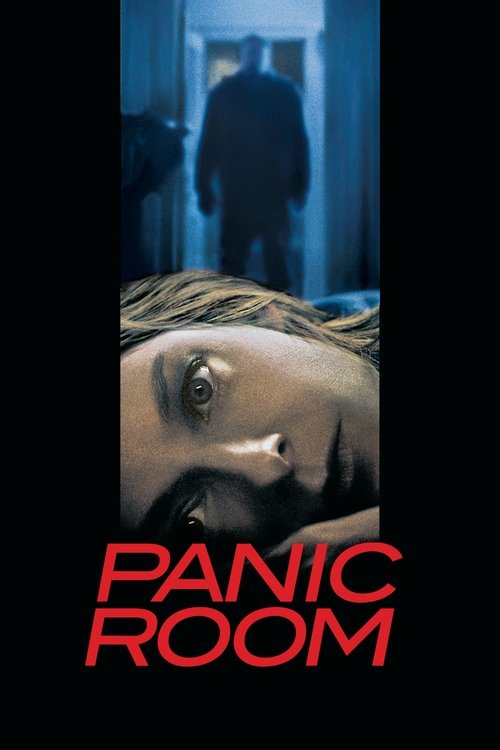
Panic Room
2002David Fincher
It was supposed to be the safest room in the house.
Next pressure pass: Place this title inside at least one collection for stronger discovery.
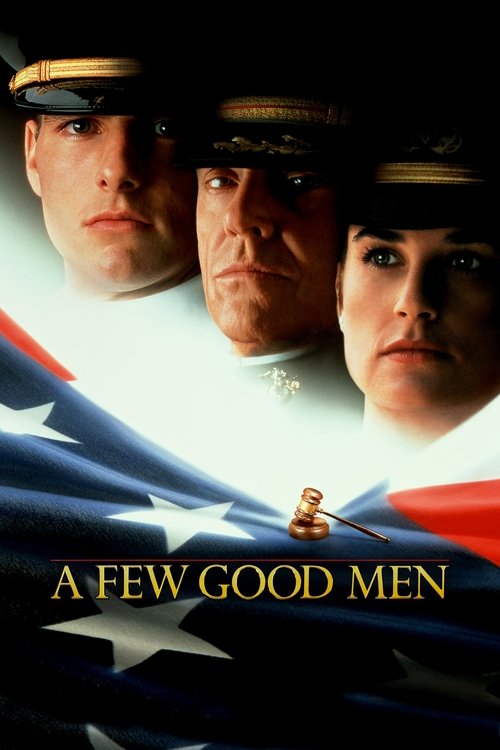
A Few Good Men
1992Rob Reiner
The courtroom is the battlefield; the chain of command is the weapon.
Next pressure pass: Add an editorial argument card so the page can make a sharper case.
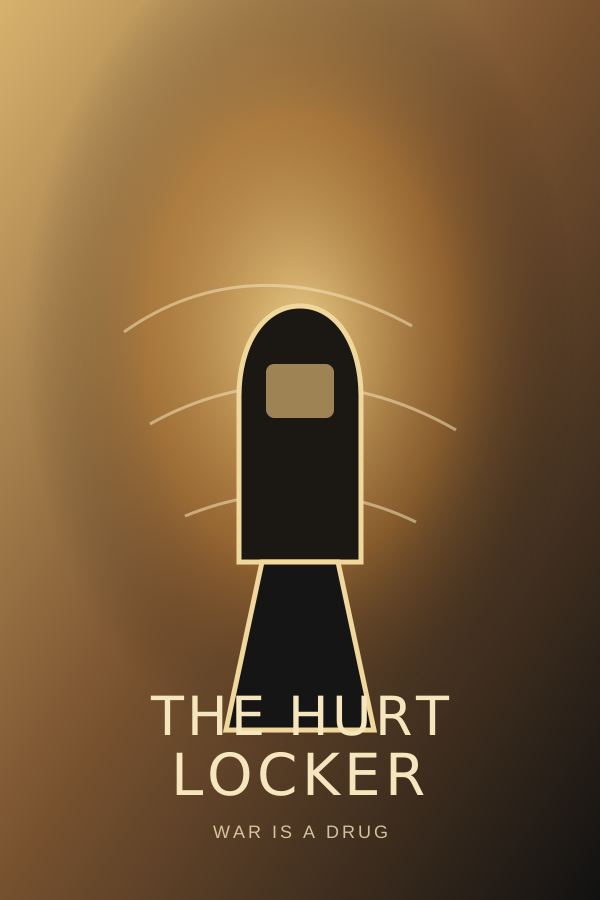
The Hurt Locker
2008Kathryn Bigelow
War is a drug.
Next pressure pass: Add an editorial argument card so the page can make a sharper case.
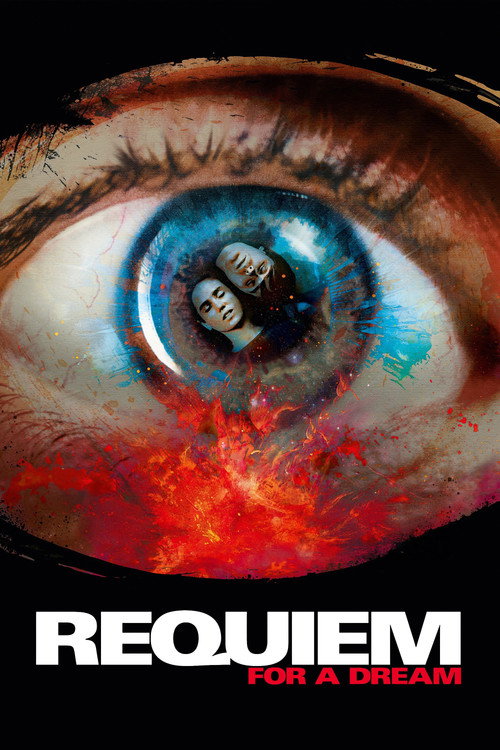
Requiem for a Dream
2000Darren Aronofsky
Every craving gets its own rhythm until the rhythm owns the room.
Next pressure pass: Add an editorial argument card so the page can make a sharper case.

The Piano
1993Jane Campion
A mute woman, a buried instrument, and desire turning colonial space into a pressure room.
Next pressure pass: Add an editorial argument card so the page can make a sharper case.

The Virgin Suicides
1999Sofia Coppola
Suburbia as a sealed room, memory as the unreliable narrator.
Next pressure pass: Add an editorial argument card so the page can make a sharper case.

Pulp Fiction
1994Quentin Tarantino
Just because you are a character doesn't mean you have character.
Next pressure pass: This page is in strong shape. Add more authored context only if it serves a bigger lane.
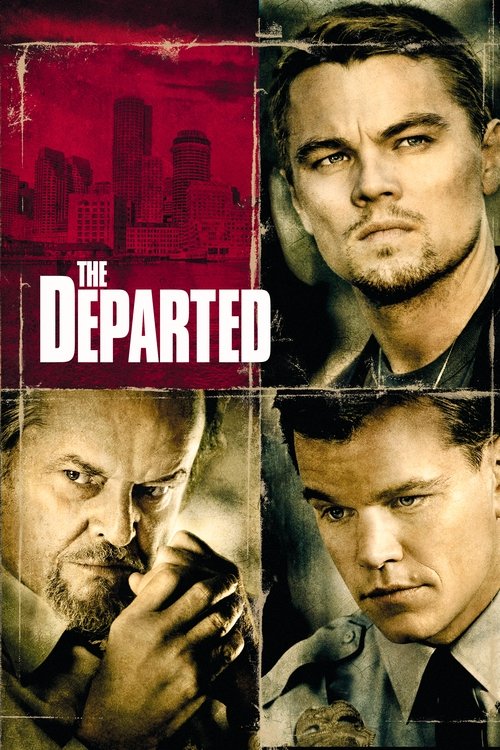
The Departed
2006Martin Scorsese
Lies. Betrayal. Sacrifice. How far will you take it?
Next pressure pass: This page is in strong shape. Add more authored context only if it serves a bigger lane.
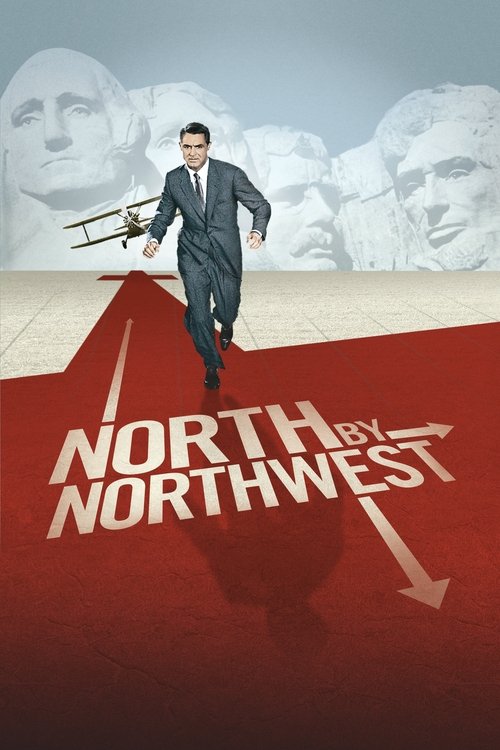
North by Northwest
1959Alfred Hitchcock
The wrong man in the wrong place at the wrong time.
Next pressure pass: This page is in strong shape. Add more authored context only if it serves a bigger lane.
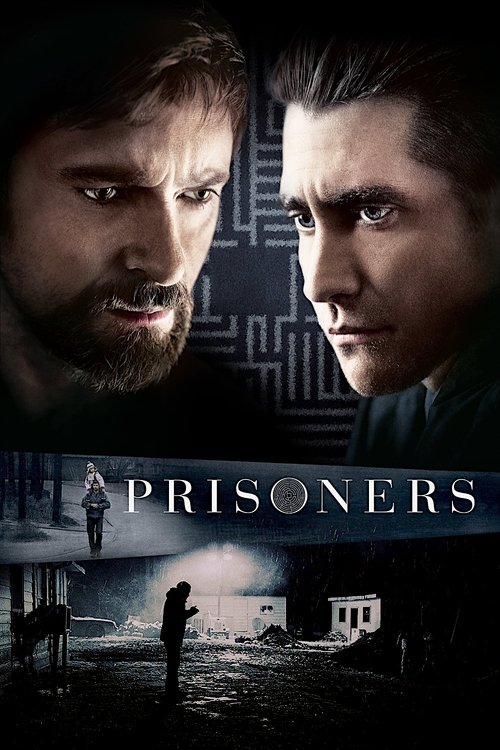
Prisoners
2013Denis Villeneuve
Every moment matters.
Next pressure pass: Add an editorial argument card so the page can make a sharper case.

The Wild Robot
2024Chris Sanders
A machine learns the wilderness by becoming responsible for something smaller than itself.
Next pressure pass: Add an editorial argument card so the page can make a sharper case.

V for Vendetta
2006James McTeigue
People should not be afraid of their governments. Governments should be afraid of their people.
Next pressure pass: Add an editorial argument card so the page can make a sharper case.

The Martian
2015Ridley Scott
Bring him home.
Next pressure pass: Add an editorial argument card so the page can make a sharper case.
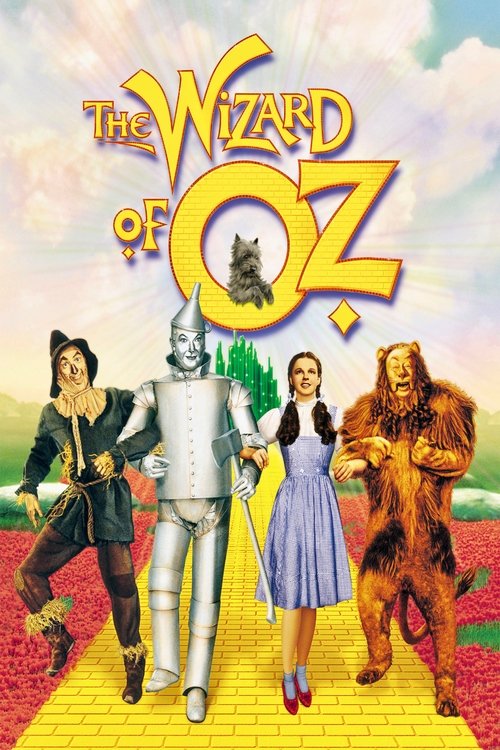
The Wizard of Oz
1939Victor Fleming
There's no place like home.
Next pressure pass: This page is in strong shape. Add more authored context only if it serves a bigger lane.
District 9
2009Neill Blomkamp
You are not welcome here.
Next pressure pass: Add an editorial argument card so the page can make a sharper case.
The Hateful Eight
2015Quentin Tarantino
No one comes up here without a damn good reason.
Next pressure pass: This page is in strong shape. Add more authored context only if it serves a bigger lane.

Lost in Translation
2003Sofia Coppola
A jet-lag romance where the quiet is the whole charge.
Next pressure pass: Add an editorial argument card so the page can make a sharper case.
The Abyss
1989James Cameron
A place on earth more awesome than anywhere in space.
Next pressure pass: This page is in strong shape. Add more authored context only if it serves a bigger lane.
Wall Street
1987Oliver Stone
Every dream has its price.
Next pressure pass: This page is in strong shape. Add more authored context only if it serves a bigger lane.

Zero Dark Thirty
2012Kathryn Bigelow
The greatest manhunt in history.
Next pressure pass: Add an editorial argument card so the page can make a sharper case.
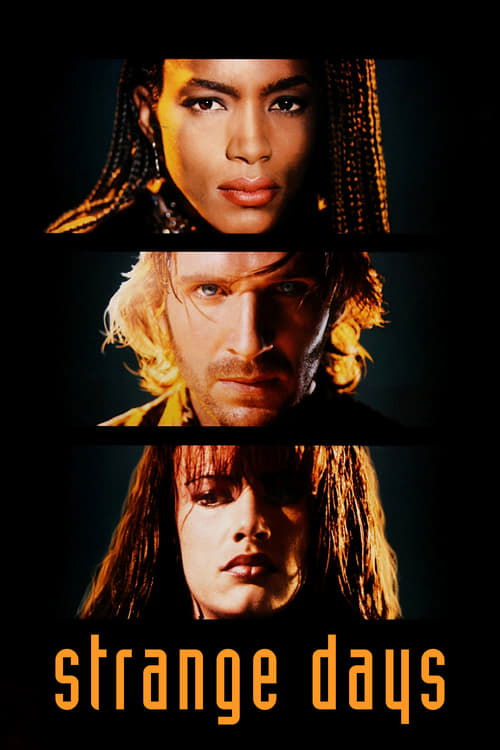
Strange Days
1995Kathryn Bigelow
You know you want it.
Next pressure pass: Add an editorial argument card so the page can make a sharper case.

The Creator
2023Gareth Edwards
This is original sci-fi built like field footage, not showroom spectacle.
Next pressure pass: Add an editorial argument card so the page can make a sharper case.
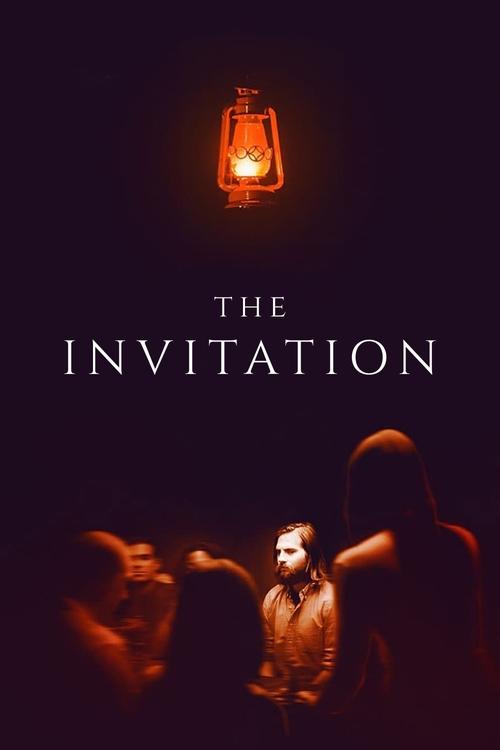
The Invitation
2015Karyn Kusama
There is nothing to be afraid of.
Next pressure pass: Add an editorial argument card so the page can make a sharper case.

Jennifer's Body
2009Karyn Kusama
The body was never the point. The appetite was.
Next pressure pass: Add an editorial argument card so the page can make a sharper case.
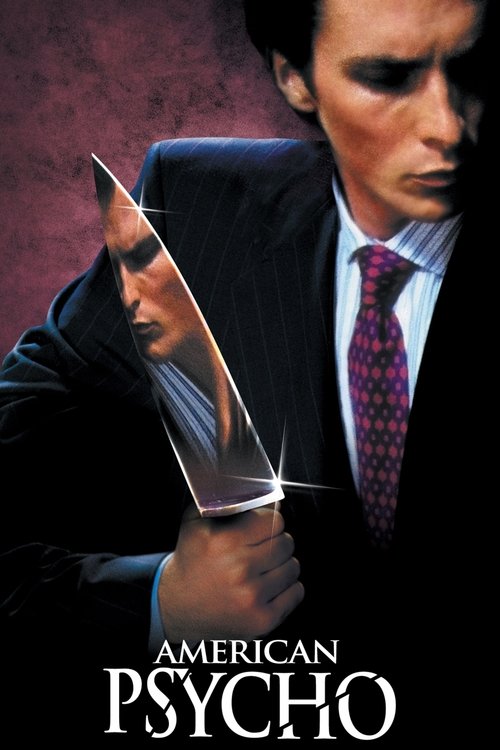
American Psycho
2000Mary Harron
Killer looks. Killer body. Killer instincts.
Next pressure pass: This page is in strong shape. Add more authored context only if it serves a bigger lane.
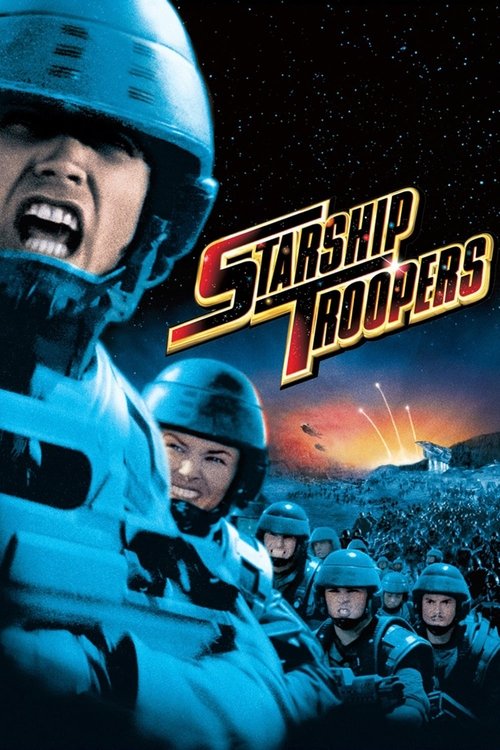
Starship Troopers
1997Paul Verhoeven
The only good bug is a dead bug.
Next pressure pass: Add an editorial argument card so the page can make a sharper case.
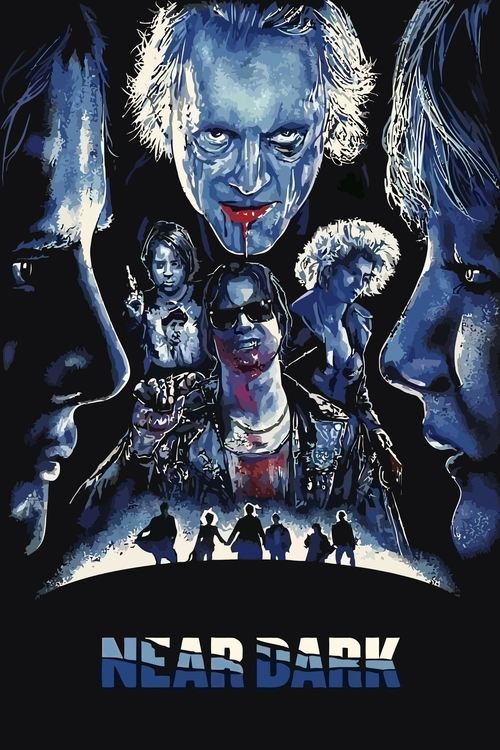
Near Dark
1987Kathryn Bigelow
Vampires with dust on their boots and hunger in the headlights.
Next pressure pass: Add an editorial argument card so the page can make a sharper case.
Directors
Director matches

Jane Campion
Interior pressure, landscape as desire, and women whose silence or restraint becomes the loudest force in the room

Ben Stiller
Mainstream comedy pushed toward ego panic, chaos, and industry satire

Quentin Tarantino
Record-collection cinema where talk, violence, music, and movie memory become rhythm

Ridley Scott
Visual grandeur meets narrative intensity

Emerald Fennell
Candy-colored surfaces, social punishment, performance traps, and endings that force the audience to audit its appetite

Wolfgang Petersen
Pressure-tested spectacle where crews, kids, and whole worlds survive by holding the line

John McTiernan
Clean spatial pressure, professional competence, and action that keeps turning into siege logic

Sofia Coppola
Loneliness, glamour, pop texture, and feelings caught before they can explain themselves

John Krasinski
Clean genre rules turned into family-pressure machinery through silence, blocking, and sound design

James McTeigue
Matrix-trained action grammar used for symbols, surveillance, and theatrical resistance
Albert Magnoli
Pop-star mythology turned into backstage pressure and stage-light confession
Paul W. S. Anderson
Game logic, industrial spaces, and franchise B-movie velocity

Gareth Edwards
Ground-level spectacle that makes impossible scale feel discovered by a handheld camera
Articles
Editorial matches
Panic Room and the Virtue of Making Architecture Do the Panicking
Panic Room works because Fincher turns walls, sightlines, and delays into the whole suspense engine instead of treating them as setup for louder thrills.
Aliens and the Brilliant Decision to Turn Survival Horror Into Platoon Panic
Cameron’s sequel works because it does not simply supersize Ridley Scott’s terror. It rebuilds the xenomorph threat around group collapse, siege pressure, and Ripley’s protective ferocity.
The Hateful Eight and the Decision to Make the Whole Room Feel Spiritually Uninhabitable
Tarantino’s snowbound chamber piece matters because it traps performance, prejudice, and national rot together until suspicion itself becomes the atmosphere.
Enemy of the State: Surveillance Panic Before Surveillance Became Daily Atmosphere
Tony Scott’s thriller still moves because it understands how terrifying it is when a system can rewrite your life faster than you can explain yourself.
Reservoir Dogs and the Genius of Building a Crime Movie Out of the Aftermath
Tarantino’s debut still crackles because it treats the failed heist as an excuse to trap voice, ego, and suspicion in one room until everyone starts bleeding through their own performance.
Inglourious Basterds and the Thrill of Turning Language Into a Weapon
Tarantino’s war fantasia works because the suspense is not built on firefights first. It is built on who can control the room, the accent, the cover story, and the next sentence.
Gone Girl and the Pleasure of Watching a Marriage Become a Media Weapon
Gone Girl works because Fincher treats domestic resentment, TV narration, and image management as parts of the same poison system.
Se7en and the Trick of Making Procedure Feel Spiritually Polluted
Fincher’s serial-killer landmark still lands because every clue, room, and conversation feels touched by the same civic rot as the murders themselves.
Jackie Brown and the Quiet Thrill of Watching Adults Feel Time Closing In
Tarantino’s warmest movie lasts because swagger gives way to patience, compromise, and the ache of people trying to buy back a little room to breathe.
American Psycho and the Horror of Treating Personality Like a Luxury Product
American Psycho survives because Mary Harron turns 80s status obsession into a performance nightmare where identity is just another item to curate.
The Odyssey Opening Weekend Is Bigger Than a Box-Office Victory Lap
Nolan’s opening matters because authored spectacle, format consciousness, ancient myth, and theatrical culture all became part of the same public event.
The Abyss and the Risky Beauty of Turning Industrial Pressure Into Contact Cinema
Cameron’s undersea epic stays alive because it never treats labor, machinery, and emotional damage as setup for the awe. They are the price of reaching it.
The Curious Case of Benjamin Button and the Sadness of Meeting Life Out of Sequence
Benjamin Button matters because Fincher treats the reverse-aging premise less like a trick than a way to make timing itself feel tragic.
True Lies and the Strange Art of Making Marital Farce Play at Blockbuster Scale
Cameron’s action-comedy stays watchable because it never treats the marriage plot as filler. Embarrassment, deception, and spectacle are all part of the same propulsion system.
Titanic and the Power of Making Industrial Spectacle Feel Emotionally Legible
Titanic lasts because Cameron never treats feeling as the embarrassing part of the enterprise. The romance, class tension, and mechanical catastrophe are all designed to reinforce each other.
How Tarantino’s Later Films Trade Cool for Consequence
Jackie Brown, Kill Bill: Vol. 2, The Hateful Eight, and Once Upon a Time in Hollywood all reveal a filmmaker getting more interested in aftermath, drift, and emotional residue than in pure pop detonation.
Us and the Terror of What America Needs to Keep Underground
Peele’s follow-up becomes more interesting the moment you stop asking it to behave like a puzzle and start watching it as a national ghost story.
Little Women and the Price of Turning a Life Into an Ending
Greta Gerwig’s adaptation becomes great by refusing to separate romance, money, authorship, and the pressure to make a satisfying story out of a complicated life.
The Birds and the Horror of a World That Stops Explaining Itself
The Birds remains uncanny because Hitchcock refuses to turn catastrophe into a puzzle with a satisfying answer.
Glengarry Glen Ross and the Way Language Becomes Its Own Predatory System
Glengarry Glen Ross still cuts because James Foley stages sales talk as status warfare where every word is either leverage or humiliation.
Psycho and the Terrifying Precision of Making the Audience Lose Its Footing
Psycho still cuts so deep because Hitchcock keeps changing the rules of the movie while making every new rule feel inevitable after the fact.
The Social Network and the Violence of Turning Status Into a Product
Fincher and Sorkin make ambition move fast enough to feel intoxicating, then show how quickly that speed turns relationships into collateral.
North by Northwest and the Pleasure of Pure Cinematic Momentum
North by Northwest still feels fresh because Hitchcock treats mistaken identity as an excuse to build one of the great motion machines in studio-era cinema.
Rear Window and the Suspense of Watching Too Closely
Rear Window turns voyeurism into suspense because Hitchcock understands that looking is never passive once desire, guilt, and curiosity start mixing together.
Dunkirk and the Power of Treating Survival as Pure Duration
Dunkirk strips war-movie psychology down to time, space, and immediate peril, then finds feeling inside the compression.
American History X and the Terrible Efficiency of Passing Rage Downward
Tony Kaye’s drama still hits because it understands hatred as something performed, inherited, and normalized at home before it hardens into ideology.
The Terminator: How James Cameron Turned Future War Into Pure Pursuit Cinema
The Terminator still hits because Cameron strips a huge sci-fi premise down to one merciless chase and lets horror logic do the rest.
Memento and the Horror of Becoming Your Own False Narrator
Christopher Nolan’s breakthrough thriller hits hardest when you stop treating it like a twist machine and start reading it as a movie about self-authored reality.
The Godfather Saga: How Coppola Redefined Epic Cinema
Francis Ford Coppola's masterpiece transformed the crime genre and established the template for modern epic filmmaking.
RoboCop and the Horror of Being Rebuilt for Efficiency
Paul Verhoeven’s classic is not just a cyborg action movie, it is a brutal joke about what happens when corporate logic gets hold of the human body.
Collections
Collection matches
Women-Directed Pressure Rooms
Women-directed films where genre, image, bodies, and self-invention become pressure systems instead of soft-focus sidebars.
Status Traps
Ambition, reputation management, and movies where climbing the ladder quietly poisons the people doing it.
Professional Code
Owned-shelf movies where the pleasure is watching capable people read rooms, rules, bodies, and consequences under pressure.
Machine Nightmares
Cold systems, synthetic threats, and movies where technology stops feeling like a tool and starts feeling like an adversary.
Paranoia Machines
Containment, distrust, infiltration, and movies that trap characters inside systems they can no longer verify.
Villeneuve Pressure Systems
Denis Villeneuve films where dread, scale, silence, and systems thinking turn genre premises into pressure chambers.