Search
Find the right movie, director, article, or collection without falling into database sludge.
Find the strongest way into the room
Find the movie pressure, filmmaker system, shelf, or argument that fits the appetite.
Use the full search page when the question is bigger than a title: pressure rooms, control freaks, survival engines, record-collection movies, and the arguments that connect them.
Search pulse
Recommended route
A cleaner path through “american psycho” than a flat result list.
Start with the highest-signal entry, then move through authorship, mood, or argument depending on what the search surfaced.
First click
1American Psycho
Mary Harron · 2000 · Psychological Thriller. Start with the strongest title match, then branch into linked reads and collection lanes.
Then trace the author
2Mary Harron
Cold-eyed social critique delivered with wit, control, and moral disgust Use the filmmaker page to turn one match into a working system across American Psycho and I Shot Andy Warhol.
Then widen the mood
3Status Traps
Ambition, reputation management, and movies where climbing the ladder quietly poisons the people doing it.
Refine this search pass
Movies
Movie matches
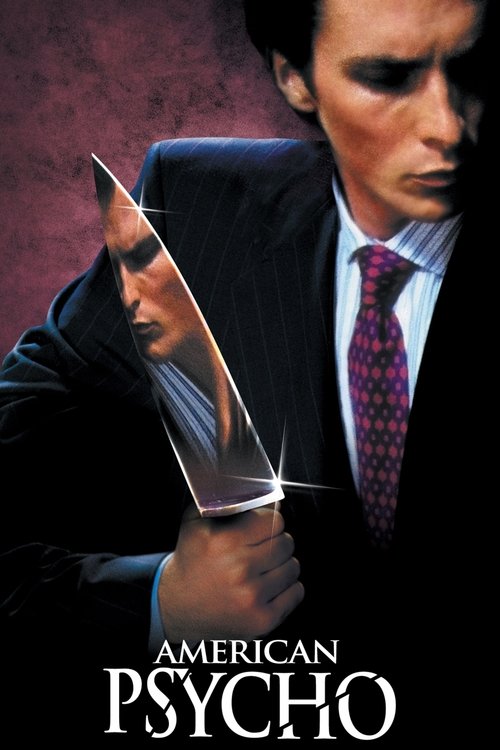
American Psycho
2000Mary Harron
Killer looks. Killer body. Killer instincts.
Next pressure pass: This page is in strong shape. Add more authored context only if it serves a bigger lane.
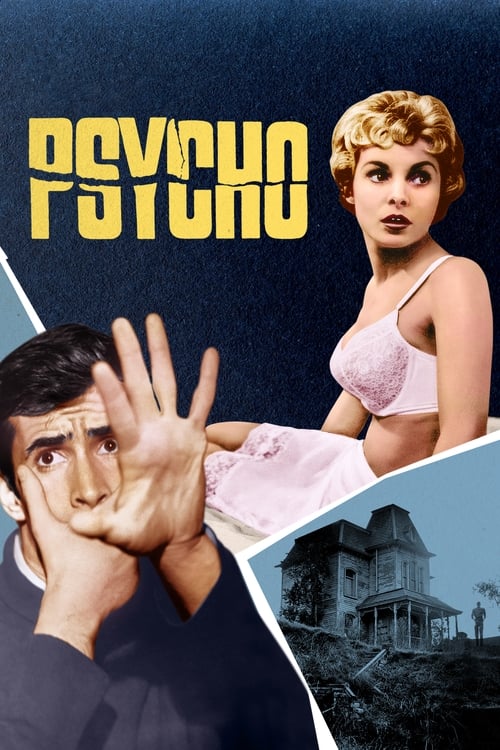
Psycho
1960Alfred Hitchcock
The master of suspense moves his cameras into the most terrifying place of all: an ordinary roadside motel.
Next pressure pass: This page is in strong shape. Add more authored context only if it serves a bigger lane.
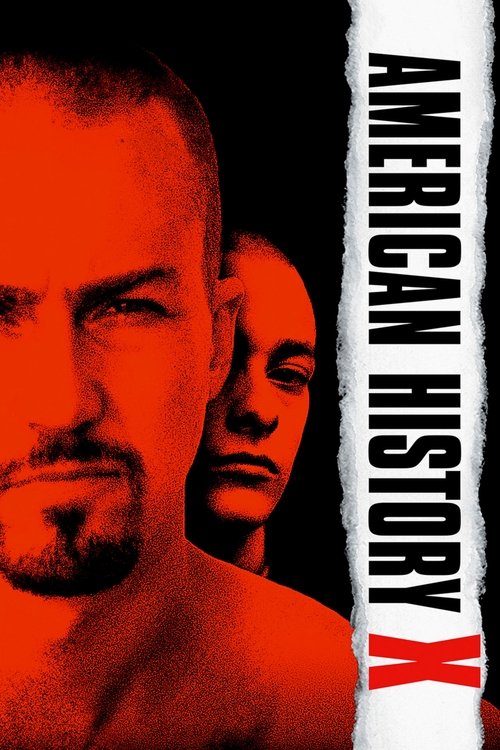
American History X
1998Tony Kaye
Some legacies must end.
Next pressure pass: This page is in strong shape. Add more authored context only if it serves a bigger lane.
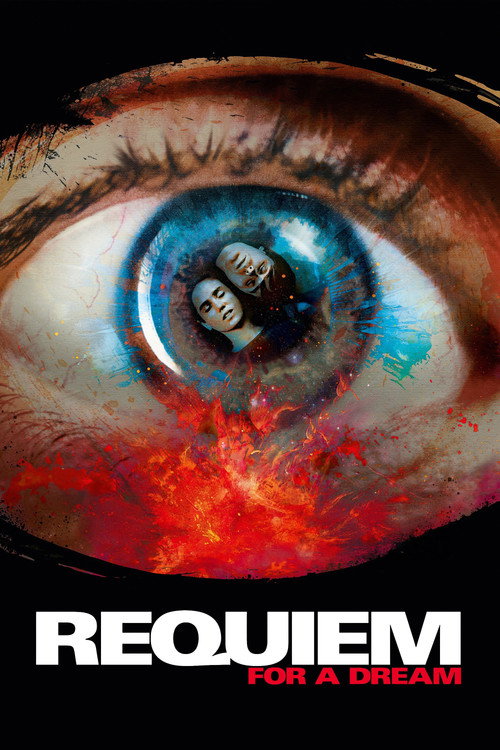
Requiem for a Dream
2000Darren Aronofsky
Every craving gets its own rhythm until the rhythm owns the room.
Next pressure pass: Add an editorial argument card so the page can make a sharper case.
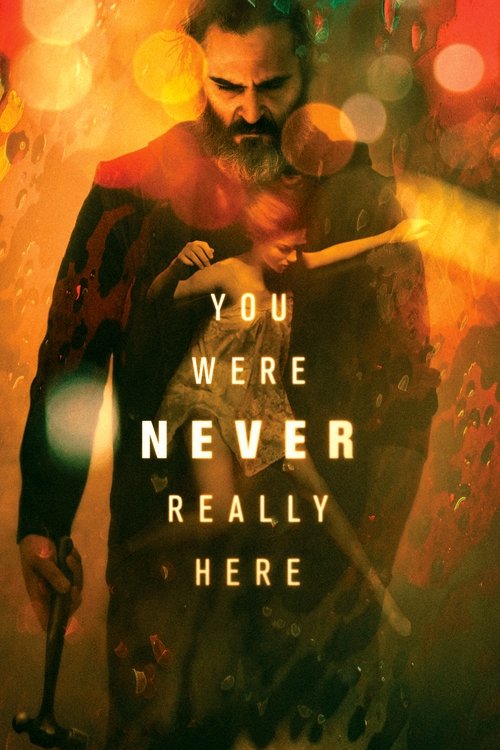
You Were Never Really Here
2017Lynne Ramsay
A rescue thriller that keeps cutting away from the violence to show the damage around it.
Next pressure pass: Add an editorial argument card so the page can make a sharper case.
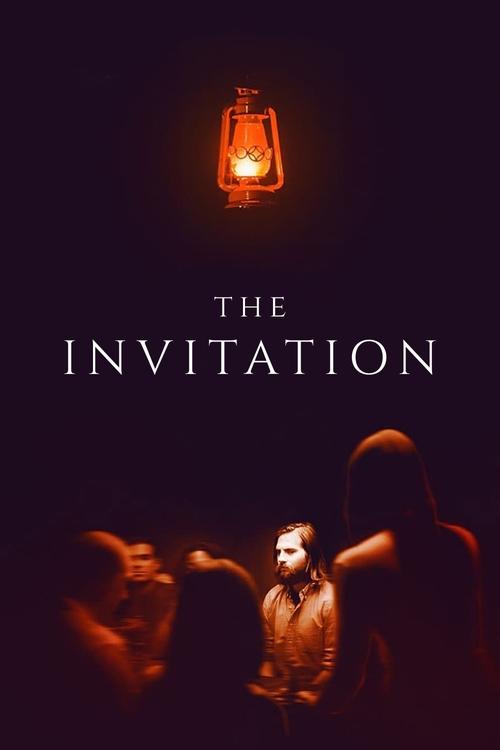
The Invitation
2015Karyn Kusama
There is nothing to be afraid of.
Next pressure pass: Add an editorial argument card so the page can make a sharper case.
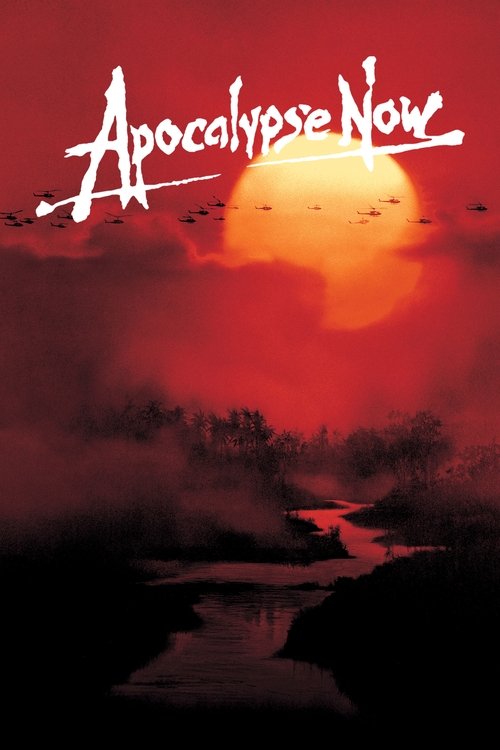
Apocalypse Now
1979Francis Ford Coppola
The horror. The horror.
Next pressure pass: Add an editorial argument card so the page can make a sharper case.
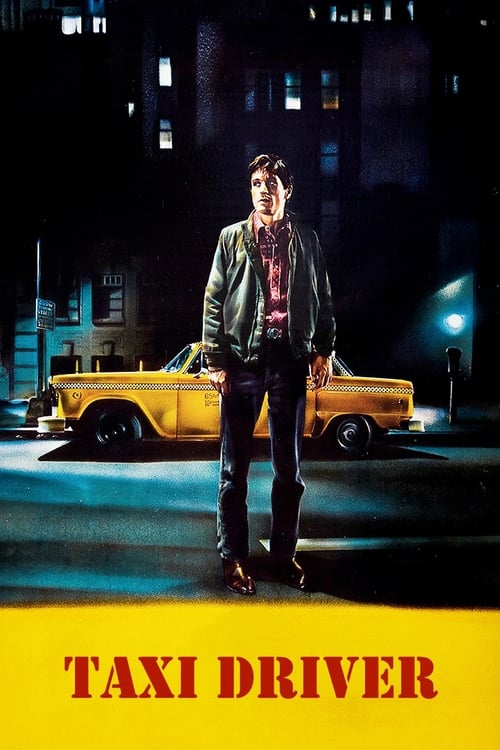
Taxi Driver
1976Martin Scorsese
On every street in every city, there’s a nobody who dreams of being a somebody.
Next pressure pass: This page is in strong shape. Add more authored context only if it serves a bigger lane.

Us
2019Jordan Peele
Watch yourself.
Next pressure pass: Place this title inside at least one collection for stronger discovery.
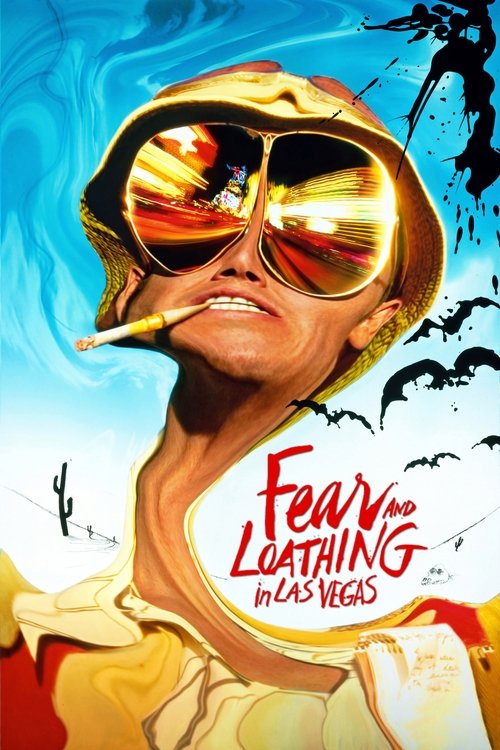
Fear and Loathing in Las Vegas
1998Terry Gilliam
Buy the ticket, take the ride.
Next pressure pass: This page is in strong shape. Add more authored context only if it serves a bigger lane.

Untitled Tenth Feature
2027Quentin Tarantino
The last Tarantino feature remains unwritten in public, which is part of the fascination.
Next pressure pass: This page is in strong shape. Add more authored context only if it serves a bigger lane.
Directors
Director matches

Mary Harron
Cold-eyed social critique delivered with wit, control, and moral disgust

Alfred Hitchcock
Suspense architecture, point-of-view tension, and wit sharpened into dread

David Lynch
Dream logic, ruptured identity, and American darkness made tactile

John Landis
Anarchic comedy with showbiz velocity and gleeful tonal whiplash
Albert Magnoli
Pop-star mythology turned into backstage pressure and stage-light confession

David Fincher
Control-freak cinema where systems, rot, evidence, and desire keep tightening the frame

Francis Ford Coppola
Operatic family power, ritual, and moral corrosion

Darren Aronofsky
Obsession edited as physical pressure: bodies, rituals, dreams, and punishment loops

Oliver Stone
Aggressive, argumentative filmmaking charged with power, paranoia, and American appetite

Tony Kaye
Raw, confrontational filmmaking focused on systems, damage, and provocation

Lana Wachowski & Lilly Wachowski
Philosophical pop spectacle fused to cyberpunk mythmaking

Emerald Fennell
Candy-colored surfaces, social punishment, performance traps, and endings that force the audience to audit its appetite

Jane Campion
Interior pressure, landscape as desire, and women whose silence or restraint becomes the loudest force in the room

John Carpenter
Synth-driven genre minimalism with siege tension and anti-authority bite

Lynne Ramsay
Elliptical trauma cinema where memory, sound, and missing frames carry the violence

Quentin Tarantino
Record-collection cinema where talk, violence, music, and movie memory become rhythm

Martin Scorsese
Kinetic guilt cinema where crime, faith, appetite, and performance keep collecting interest

Greta Gerwig
Authentic feminine perspectives with wit and warmth

Jordan Peele
Social commentary through genre filmmaking

Steven Spielberg
Classical clarity, emotional immediacy, and blockbuster scale with human stakes

Chris Sanders
Creature empathy, tactile movement, and family stories where belonging has to be earned

Wes Anderson
Storybook symmetry, deadpan rhythm, and melancholy hidden inside precision

Rob Reiner
Warm, actor-friendly storytelling with sharp comic timing and emotional clarity

Victor Fleming
Big-studio mythmaking delivered with momentum, craft, and emotional directness

Destin Daniel Cretton
Character-first pressure, chosen families, and spectacle anchored to emotional consequence

Kathryn Bigelow
Kinetic procedure, bodies under pressure, and systems that turn danger into addiction

Tim Burton
Gothic pop melancholy rendered with storybook scale and outsider sympathy

Ben Stiller
Mainstream comedy pushed toward ego panic, chaos, and industry satire
Doug Liman
Indie friction smuggled into studio engines

Gina Prince-Bythewood
Bodies in motion carrying feeling, discipline, identity, and purpose under pressure

John McTiernan
Clean spatial pressure, professional competence, and action that keeps turning into siege logic

Zack Snyder
Mythic bodies, slow-motion impact, and graphic-novel spectacle pushed into operatic scale

Antoine Fuqua
Hard-R moral pressure, professional codes, and violence staged as consequence

James Foley
Actor-forward pressure cookers where language becomes a weapon

Sofia Coppola
Loneliness, glamour, pop texture, and feelings caught before they can explain themselves

John Krasinski
Clean genre rules turned into family-pressure machinery through silence, blocking, and sound design
Patty Jenkins
Empathy under spectacle, bruised performance studies, and women carrying myth-sized pressure

Karyn Kusama
Desire, identity, and genre pressure that exposes what people are performing to survive

Nia DaCosta
Genre inheritance, Black folklore, body pressure, and images that ask who profits from the wound

Christopher Nolan
Architectural blockbusters where time, rules, and guilt become pressure systems

Terry Gilliam
Baroque imagination, bureaucratic nightmare, and comic chaos in constant collision
Articles
Editorial matches
American Psycho and the Horror of Treating Personality Like a Luxury Product
American Psycho survives because Mary Harron turns 80s status obsession into a performance nightmare where identity is just another item to curate.
Psycho and the Terrifying Precision of Making the Audience Lose Its Footing
Psycho still cuts so deep because Hitchcock keeps changing the rules of the movie while making every new rule feel inevitable after the fact.
American History X and the Terrible Efficiency of Passing Rage Downward
Tony Kaye’s drama still hits because it understands hatred as something performed, inherited, and normalized at home before it hardens into ideology.
The Psychology Behind Fight Club: Modern Masculinity in Crisis
David Fincher's Fight Club remains a haunting exploration of male identity, consumer culture, and the search for meaning in modern society.
Blue Velvet: The American Nightmare Hiding Beneath the Lawn
David Lynch’s cult landmark still feels dangerous because it turns curiosity into complicity and suburbia into a stage for desire, cruelty, and rot.
The Departed: A Remake That Wins by Getting Meaner, Hotter, and More American
Scorsese’s Boston pressure cooker works because it turns identity, class hostility, and institutional rot into one loud, filthy propulsion system.
Vertigo and the Tragedy of Loving an Image More Than a Person
Hitchcock’s masterpiece grows more unsettling when you stop treating it as a mystery and start seeing it as a movie about desire trying to rewrite reality.
Gone Girl and the Pleasure of Watching a Marriage Become a Media Weapon
Gone Girl works because Fincher treats domestic resentment, TV narration, and image management as parts of the same poison system.
Taxi Driver and the Danger of Letting Alienation Curdle Into Mission
Scorsese’s landmark stays unnerving because it never treats Travis Bickle as a puzzle to solve. It traps us inside a worldview rotting in real time.
Dunkirk and the Power of Treating Survival as Pure Duration
Dunkirk strips war-movie psychology down to time, space, and immediate peril, then finds feeling inside the compression.
The Hateful Eight and the Decision to Make the Whole Room Feel Spiritually Uninhabitable
Tarantino’s snowbound chamber piece matters because it traps performance, prejudice, and national rot together until suspicion itself becomes the atmosphere.
Kill Bill: Vol. 1 and the High-Wire Pleasure of Turning Revenge Into Form
Kill Bill: Vol. 1 still rips because Tarantino treats genre citation as movement, not trivia, building a revenge movie that keeps changing shape without losing its line of attack.
Halloween and the Power of Stripping Horror to Its Nerves
Halloween works because Carpenter removes almost everything nonessential and lets rhythm, space, and dread do the killing.
Raging Bull: When Formal Greatness Refuses to Save the Man at the Center
Scorsese’s boxing masterpiece hits so hard because it uses virtuosity to study a person who keeps turning love, work, and ambition into damage.
The Thing and the Paranoia Engine of Never Knowing Who Has Changed
John Carpenter’s Antarctic horror masterpiece endures because every creature effect is attached to distrust, isolation, and the collapse of group logic.
Memento and the Horror of Becoming Your Own False Narrator
Christopher Nolan’s breakthrough thriller hits hardest when you stop treating it like a twist machine and start reading it as a movie about self-authored reality.
Collections
Collection matches
Status Traps
Ambition, reputation management, and movies where climbing the ladder quietly poisons the people doing it.
Identity Traps
Doubles, false selves, role-play, and movies where the biggest danger is the story a person keeps telling about who they are.
Women-Directed Pressure Rooms
Women-directed films where genre, image, bodies, and self-invention become pressure systems instead of soft-focus sidebars.
Master of Suspense
Voyeurism, pursuit, wit, and movies that make point of view feel dangerous.
Paranoia Machines
Containment, distrust, infiltration, and movies that trap characters inside systems they can no longer verify.