Nia DaCosta
Move through filmmaker operating systems: control, rhythm, obsession, and the pages still missing their case.

Director dossier
Nia DaCosta
DaCosta gives Cinema One a needed women-directed Black horror lane without turning breadth into homework. Her strongest fit here is Candyman: genre legacy as argument, art as extraction, and horror that asks who gets remembered as a monster.
A guided Nia DaCosta path
Black horror reclamation + art and trauma in three moves.
Why this director matters
Candyman is the live Cinema One anchor because it lets DaCosta work inside inherited myth while challenging the ownership of that myth. Little Woods shows her interest in women under economic pressure, The Marvels shows the studio scale, and Hedda / 28 Years Later: The Bone Temple point toward a filmmaker still moving across genre systems rather than staying in one lane.
Signature traits
Notable works
Live on Cinema One
Tracked filmography
A border-town pressure drama about sisters, health care, money, and survival choices narrowing by the hour.
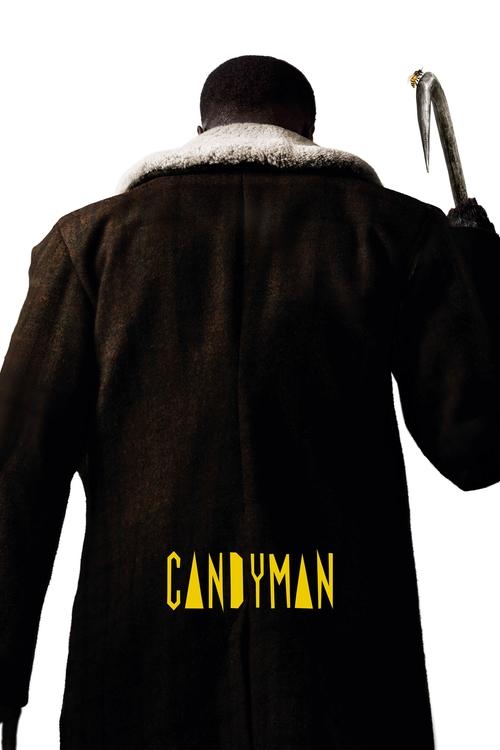
The live Cinema One anchor: Cabrini-Green, art-world consumption, mirror mythology, body horror, and shadow-puppet memory fused into one Black horror argument.
Open movie pageStudio-scale superhero work that makes DaCosta part of the modern franchise-director conversation even when the machinery is bigger than the authorial signature.
A literary-pressure swing that suggests DaCosta’s interest in social rooms, status, desire, and performance beyond horror.
Upcoming post-apocalyptic horror continuation, useful to track because it returns her to genre inheritance after Candyman.
Watch items
28 Years Later: The Bone Temple
2026
A major horror-continuation test after DaCosta’s Candyman legacy work.
- • Returns DaCosta to inherited horror mythology after Candyman.
- • Useful future coverage lane for genre authorship, apocalypse memory, and sequel pressure.