
Search
Find the right movie, director, article, or collection without falling into database sludge.
Find the strongest way into the room
Find the movie pressure, filmmaker system, shelf, or argument that fits the appetite.
Use the full search page when the question is bigger than a title: pressure rooms, control freaks, survival engines, record-collection movies, and the arguments that connect them.
Search pulse
Recommended route
A cleaner path through “Survival Systems” than a flat result list.
Start with the highest-signal entry, then move through authorship, mood, or argument depending on what the search surfaced.
First click
1The Martian
Ridley Scott · 2015 · Survival Sci-Fi. Start with the strongest title match, then branch into linked reads and collection lanes.
Then trace the author
2Christopher Nolan
Architectural blockbusters where time, rules, and guilt become pressure systems Use the filmmaker page to turn one match into a working system across Inception and The Dark Knight.
Then widen the mood
3Survival Systems
Movies where staying alive means reading rules, terrain, logistics, and bodies faster than the danger can adapt.
Refine this search pass
Movies
Movie matches
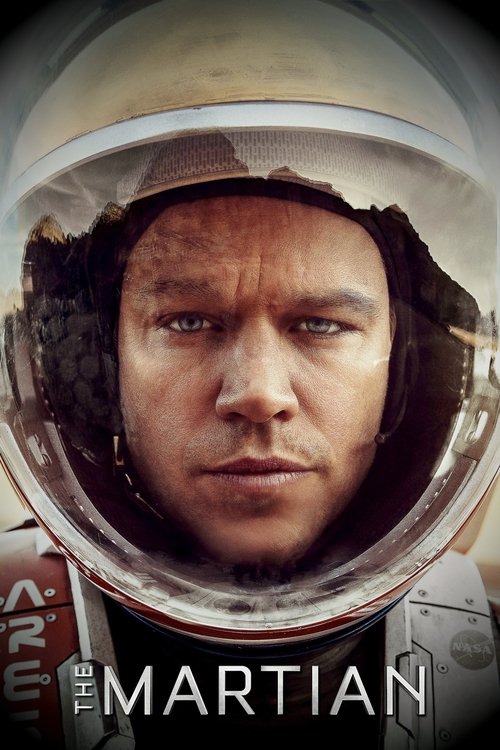
The Martian
2015Ridley Scott
Bring him home.
Next pressure pass: Add an editorial argument card so the page can make a sharper case.
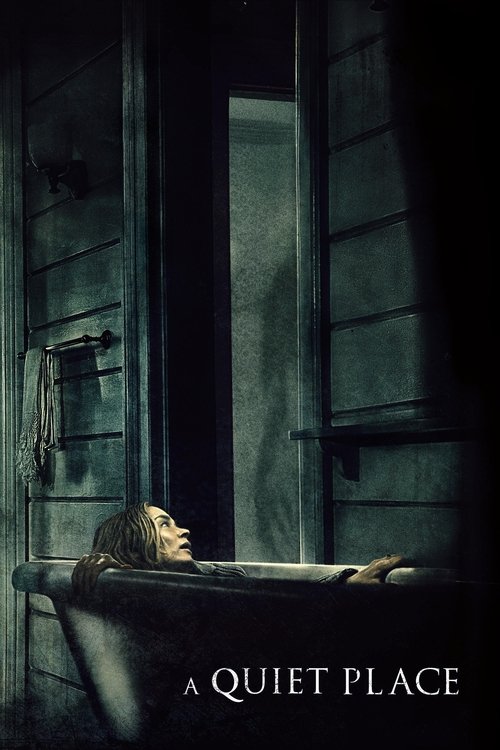
A Quiet Place
2018John Krasinski
If they hear you, they hunt you.
Next pressure pass: Add an editorial argument card so the page can make a sharper case.

The Wild Robot
2024Chris Sanders
A machine learns the wilderness by becoming responsible for something smaller than itself.
Next pressure pass: Add an editorial argument card so the page can make a sharper case.
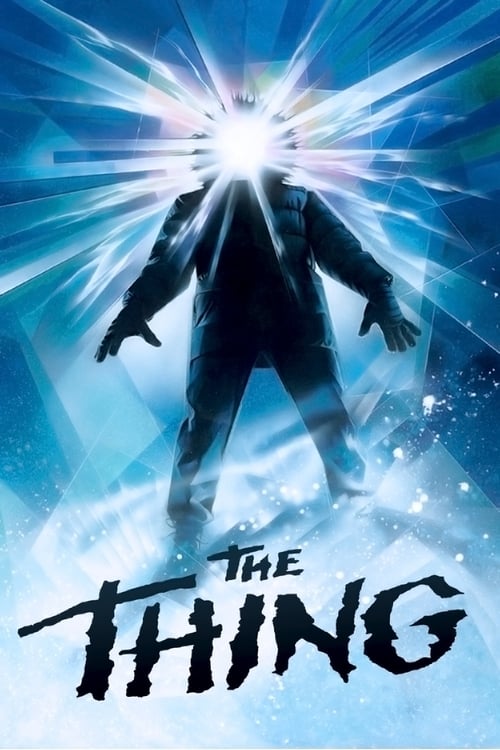
The Thing
1982John Carpenter
Man is the warmest place to hide.
Next pressure pass: This page is in strong shape. Add more authored context only if it serves a bigger lane.
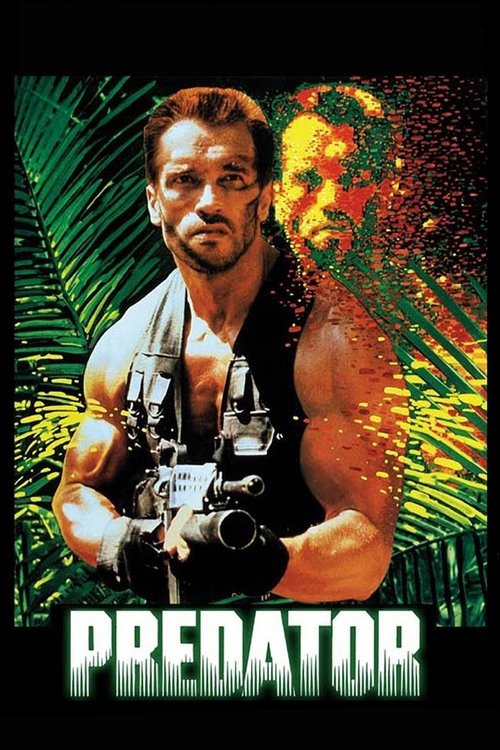
Predator
1987John McTiernan
If it bleeds, we can kill it.
Next pressure pass: Add an editorial argument card so the page can make a sharper case.

Resident Evil
2002Paul W. S. Anderson
A video-game nightmare turns corporate architecture into a kill box.
Next pressure pass: Add the next dossier module, ideally ending.
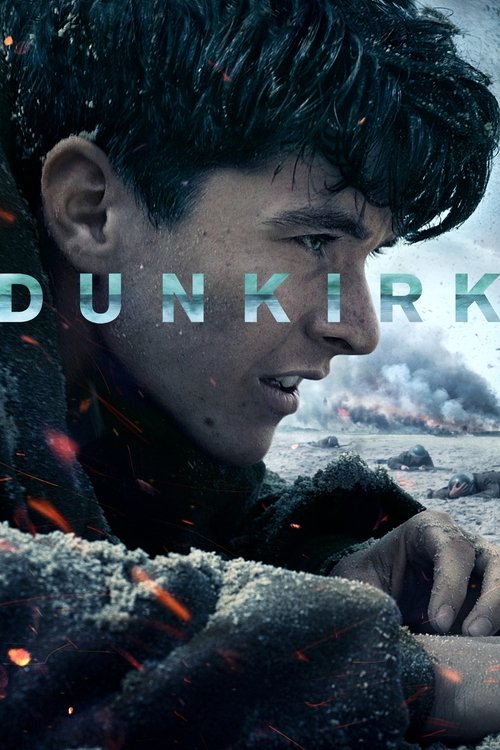
Dunkirk
2017Christopher Nolan
Survival is victory.
Next pressure pass: This page is in strong shape. Add more authored context only if it serves a bigger lane.
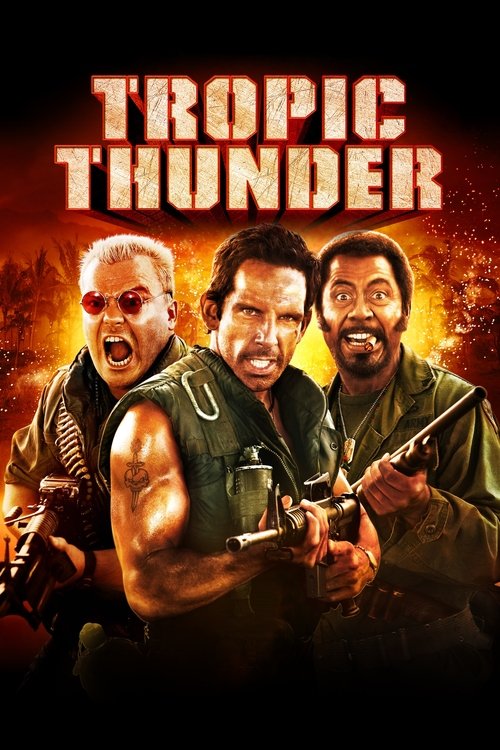
Tropic Thunder
2008Ben Stiller
Get Some.
Next pressure pass: This page is in strong shape. Add more authored context only if it serves a bigger lane.
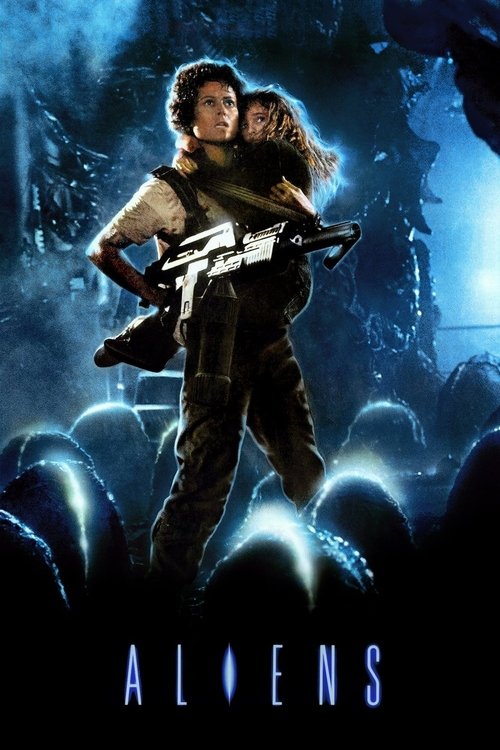
Aliens
1986James Cameron
There are some places in the universe you don’t go alone.
Next pressure pass: This page is in strong shape. Add more authored context only if it serves a bigger lane.

Mad Max: Fury Road
2015George Miller
What a lovely day.
Next pressure pass: Add an editorial argument card so the page can make a sharper case.

V for Vendetta
2006James McTeigue
People should not be afraid of their governments. Governments should be afraid of their people.
Next pressure pass: Add an editorial argument card so the page can make a sharper case.
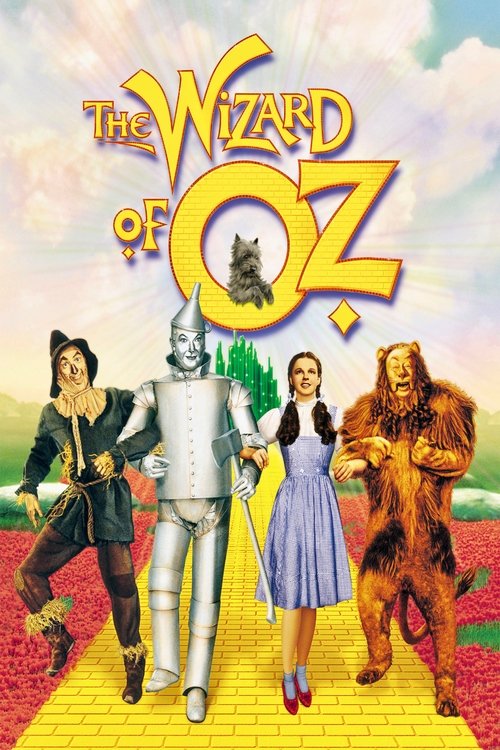
The Wizard of Oz
1939Victor Fleming
There's no place like home.
Next pressure pass: This page is in strong shape. Add more authored context only if it serves a bigger lane.

Avatar: The Way of Water
2022James Cameron
Return to Pandora.
Next pressure pass: This page is in strong shape. Add more authored context only if it serves a bigger lane.
The Old Guard
2020Gina Prince-Bythewood
Immortality is not freedom when every century asks what the killing was for.
Next pressure pass: Add an editorial argument card so the page can make a sharper case.
Directors
Director matches

Christopher Nolan
Architectural blockbusters where time, rules, and guilt become pressure systems

David Fincher
Control-freak cinema where systems, rot, evidence, and desire keep tightening the frame

Kathryn Bigelow
Kinetic procedure, bodies under pressure, and systems that turn danger into addiction

John Krasinski
Clean genre rules turned into family-pressure machinery through silence, blocking, and sound design

James Cameron
Engineering-driven spectacle fused to survival pressure and emotional clarity

Tony Kaye
Raw, confrontational filmmaking focused on systems, damage, and provocation

Martin Scorsese
Kinetic guilt cinema where crime, faith, appetite, and performance keep collecting interest

Francis Ford Coppola
Operatic family power, ritual, and moral corrosion

Ridley Scott
Visual grandeur meets narrative intensity

George Miller
Mythic chase cinema built from clean geography, practical impact, and humane chaos

Lynne Ramsay
Elliptical trauma cinema where memory, sound, and missing frames carry the violence

John McTiernan
Clean spatial pressure, professional competence, and action that keeps turning into siege logic
Neill Blomkamp
Dirty future tech, refugee-camp pressure, and military hardware colliding with social satire

Zack Snyder
Mythic bodies, slow-motion impact, and graphic-novel spectacle pushed into operatic scale

Mary Harron
Cold-eyed social critique delivered with wit, control, and moral disgust
Articles
Editorial matches
Dunkirk and the Power of Treating Survival as Pure Duration
Dunkirk strips war-movie psychology down to time, space, and immediate peril, then finds feeling inside the compression.
Aliens and the Brilliant Decision to Turn Survival Horror Into Platoon Panic
Cameron’s sequel works because it does not simply supersize Ridley Scott’s terror. It rebuilds the xenomorph threat around group collapse, siege pressure, and Ripley’s protective ferocity.
North by Northwest and the Pleasure of Pure Cinematic Momentum
North by Northwest still feels fresh because Hitchcock treats mistaken identity as an excuse to build one of the great motion machines in studio-era cinema.
The Thing and the Paranoia Engine of Never Knowing Who Has Changed
John Carpenter’s Antarctic horror masterpiece endures because every creature effect is attached to distrust, isolation, and the collapse of group logic.
The Abyss and the Risky Beauty of Turning Industrial Pressure Into Contact Cinema
Cameron’s undersea epic stays alive because it never treats labor, machinery, and emotional damage as setup for the awe. They are the price of reaching it.
The Game and the Seduction of Letting a System Break You on Purpose
Fincher’s luxury paranoia machine still lands because every escalation turns wealth, control, and self-protection into liabilities instead of armor.
Inglourious Basterds and the Thrill of Turning Language Into a Weapon
Tarantino’s war fantasia works because the suspense is not built on firefights first. It is built on who can control the room, the accent, the cover story, and the next sentence.
Django Unchained and the Dangerous Charge of Turning History Into Revenge Myth
Django Unchained keeps provoking real argument because Tarantino binds romance, atrocity, comedy, and blood-soaked fantasy into one intentionally unstable western object.
Glengarry Glen Ross and the Way Language Becomes Its Own Predatory System
Glengarry Glen Ross still cuts because James Foley stages sales talk as status warfare where every word is either leverage or humiliation.
Jackie Brown and the Quiet Thrill of Watching Adults Feel Time Closing In
Tarantino’s warmest movie lasts because swagger gives way to patience, compromise, and the ache of people trying to buy back a little room to breathe.
The Departed: A Remake That Wins by Getting Meaner, Hotter, and More American
Scorsese’s Boston pressure cooker works because it turns identity, class hostility, and institutional rot into one loud, filthy propulsion system.
Insomnia and the Nolan Trick of Making Guilt Feel Environmental
Insomnia is often treated like a side assignment, but it already shows Nolan turning moral fatigue and unstable perception into atmosphere.
Unstoppable and the Pleasure of Watching Professionals Beat the Clock
Tony Scott’s runaway-train thriller works because it treats labor, timing, and practical nerve as a full spectacle system instead of background realism.
Following and the First Draft of Nolan as a Surveillance Storyteller
Christopher Nolan’s debut is tiny in scale but already obsessed with looking, self-invention, and how easily curiosity turns into entrapment.
Crimson Tide and the Art of Turning Procedure Into Suspense
Tony Scott’s submarine thriller hits so hard because every command decision feels like a moral argument with launch codes attached.
Minority Report and the Seduction of Frictionless Control
Spielberg’s future thriller keeps gaining power because it understands how easily safety, convenience, and surveillance start using the same sales pitch.
RoboCop and the Horror of Being Rebuilt for Efficiency
Paul Verhoeven’s classic is not just a cyborg action movie, it is a brutal joke about what happens when corporate logic gets hold of the human body.
Enemy of the State: Surveillance Panic Before Surveillance Became Daily Atmosphere
Tony Scott’s thriller still moves because it understands how terrifying it is when a system can rewrite your life faster than you can explain yourself.
Collections
Collection matches
Survival Systems
Movies where staying alive means reading rules, terrain, logistics, and bodies faster than the danger can adapt.
Villeneuve Pressure Systems
Denis Villeneuve films where dread, scale, silence, and systems thinking turn genre premises into pressure chambers.
Machine Nightmares
Cold systems, synthetic threats, and movies where technology stops feeling like a tool and starts feeling like an adversary.
Paranoia Machines
Containment, distrust, infiltration, and movies that trap characters inside systems they can no longer verify.
Women-Directed Pressure Rooms
Women-directed films where genre, image, bodies, and self-invention become pressure systems instead of soft-focus sidebars.
Cathedral Scale
Big-screen movies built around scale, countdown pressure, and the feeling that spectacle only matters because consequence rides inside it.
Manufactured Dreams
Movies about performance, mythmaking, show-business machinery, and the strange cost of turning fantasy into public image.