Search
Find the right movie, director, article, or collection without falling into database sludge.
Find the strongest way into the room
Find the movie pressure, filmmaker system, shelf, or argument that fits the appetite.
Use the full search page when the question is bigger than a title: pressure rooms, control freaks, survival engines, record-collection movies, and the arguments that connect them.
Search pulse
Recommended route
A cleaner path through “gothic fantasy” than a flat result list.
Start with the highest-signal entry, then move through authorship, mood, or argument depending on what the search surfaced.
First click
1The Crow
Alex Proyas · 1994 · Gothic Action. Start with the strongest title match, then branch into linked reads and collection lanes.
Then trace the author
2Alex Proyas
Rain-slick cities, wounded outsiders, and comic-book myth treated like dream logic Use the filmmaker page to turn one match into a working system across The Crow and Dark City.
Then widen the mood
3Manufactured Dreams
Movies about performance, mythmaking, show-business machinery, and the strange cost of turning fantasy into public image.
Refine this search pass
Movies
Movie matches
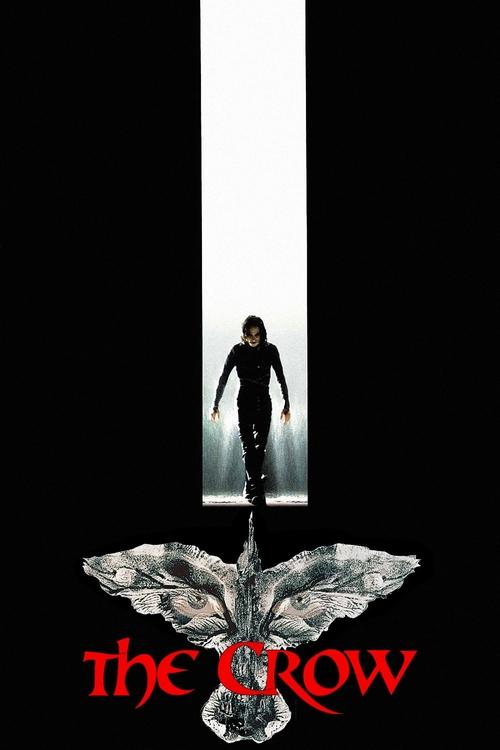
The Crow
1994Alex Proyas
It can't rain all the time.
Next pressure pass: Add an editorial argument card so the page can make a sharper case.
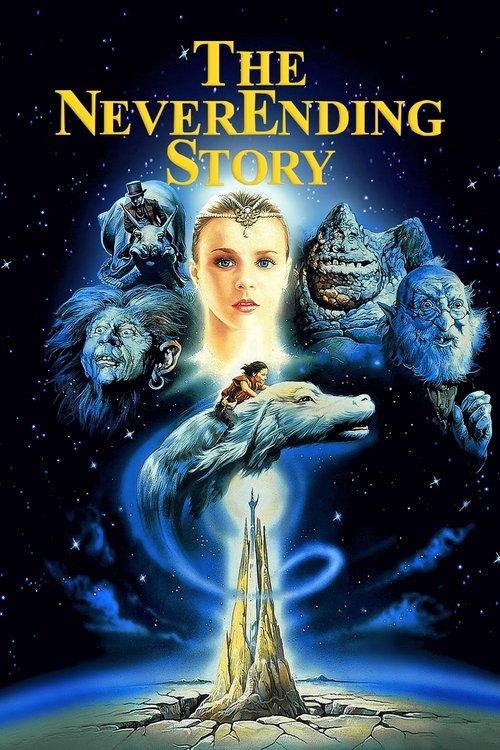
The NeverEnding Story
1984Wolfgang Petersen
A childhood fantasy where imagination is not escape; it is resistance.
Next pressure pass: Add an editorial argument card so the page can make a sharper case.
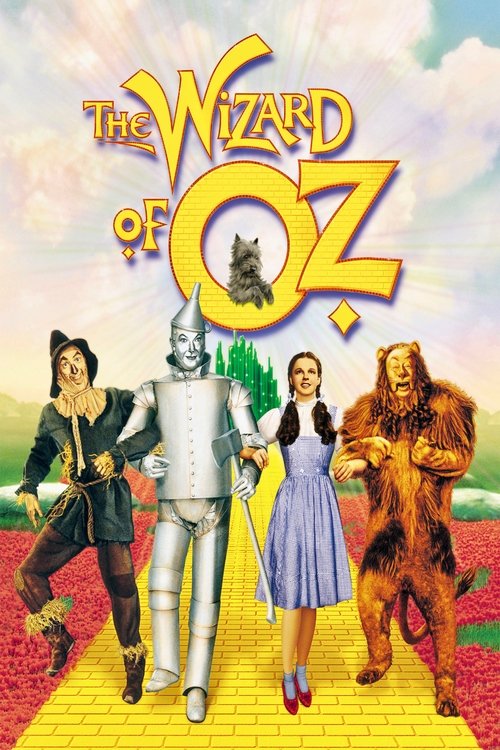
The Wizard of Oz
1939Victor Fleming
There's no place like home.
Next pressure pass: This page is in strong shape. Add more authored context only if it serves a bigger lane.
The Old Guard
2020Gina Prince-Bythewood
Immortality is not freedom when every century asks what the killing was for.
Next pressure pass: Add an editorial argument card so the page can make a sharper case.
Barbie
2023Greta Gerwig
She’s everything. He’s just Ken.
Next pressure pass: This page is in strong shape. Add more authored context only if it serves a bigger lane.
The Curious Case of Benjamin Button
2008David Fincher
Life isn’t measured in minutes, but in moments.
Next pressure pass: Place this title inside at least one collection for stronger discovery.
The Odyssey
2026Christopher Nolan
A long journey home becomes mythic trial by sea, gods, and memory.
Next pressure pass: Add the next dossier module, ideally signature scene.

The Virgin Suicides
1999Sofia Coppola
Suburbia as a sealed room, memory as the unreliable narrator.
Next pressure pass: Add an editorial argument card so the page can make a sharper case.

Fight Club
1999David Fincher
Mischief. Mayhem. Soap.
Next pressure pass: This page is in strong shape. Add more authored context only if it serves a bigger lane.
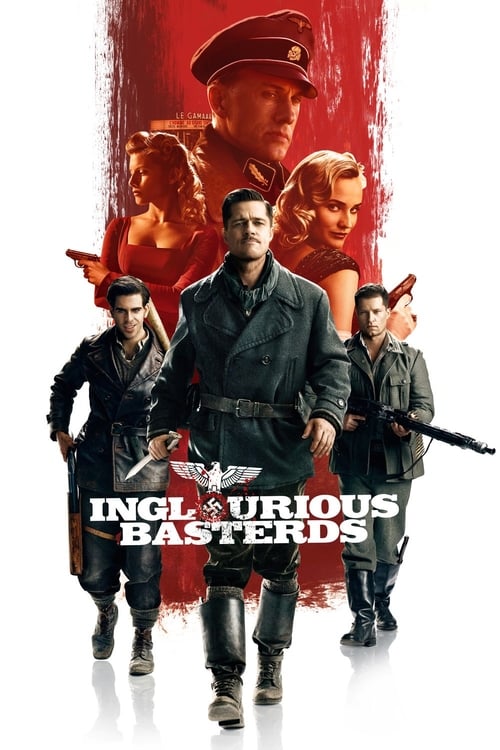
Inglourious Basterds
2009Quentin Tarantino
Once upon a time in Nazi occupied France...
Next pressure pass: This page is in strong shape. Add more authored context only if it serves a bigger lane.
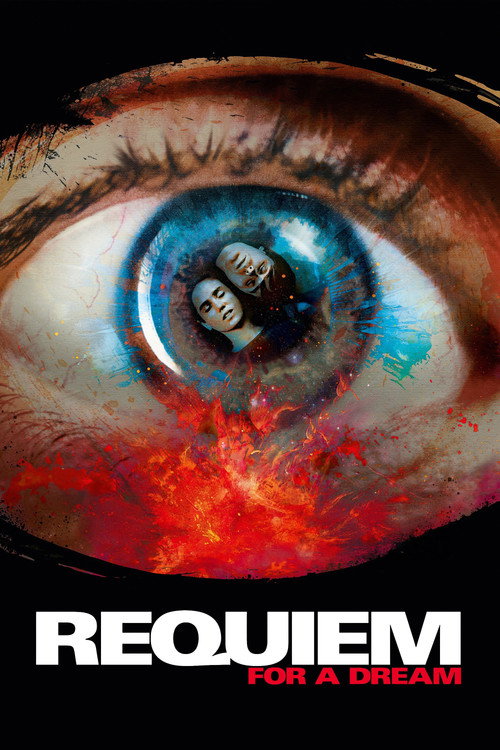
Requiem for a Dream
2000Darren Aronofsky
Every craving gets its own rhythm until the rhythm owns the room.
Next pressure pass: Add an editorial argument card so the page can make a sharper case.
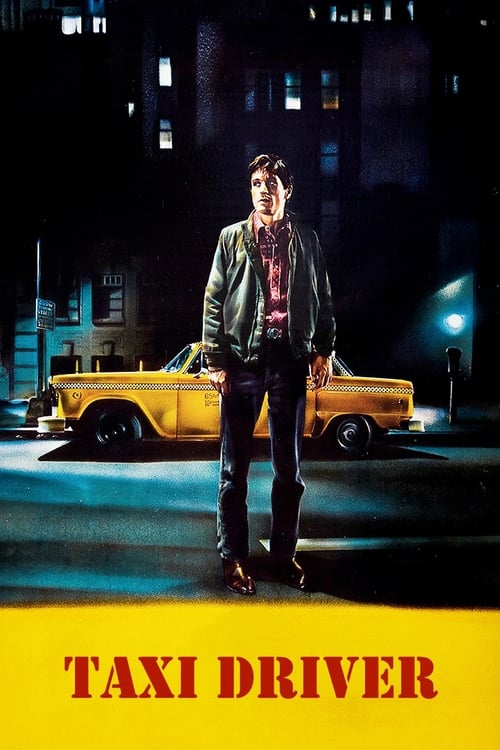
Taxi Driver
1976Martin Scorsese
On every street in every city, there’s a nobody who dreams of being a somebody.
Next pressure pass: This page is in strong shape. Add more authored context only if it serves a bigger lane.
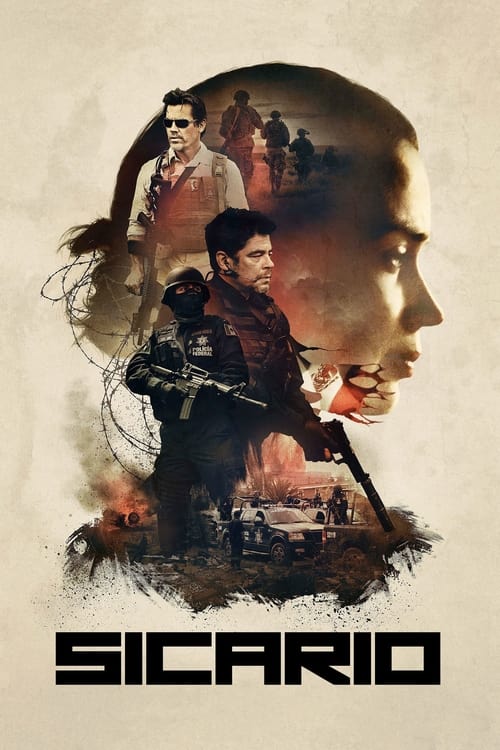
Sicario
2015Denis Villeneuve
The border is just another line to cross.
Next pressure pass: Add an editorial argument card so the page can make a sharper case.
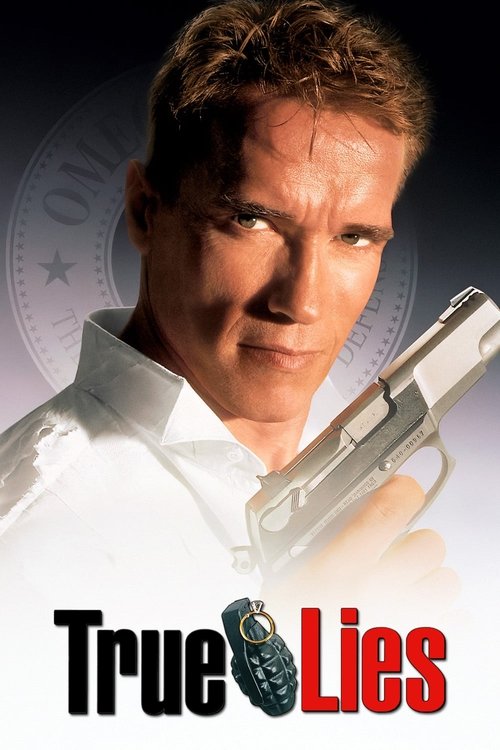
True Lies
1994James Cameron
When he said I do, he never said what he did.
Next pressure pass: This page is in strong shape. Add more authored context only if it serves a bigger lane.
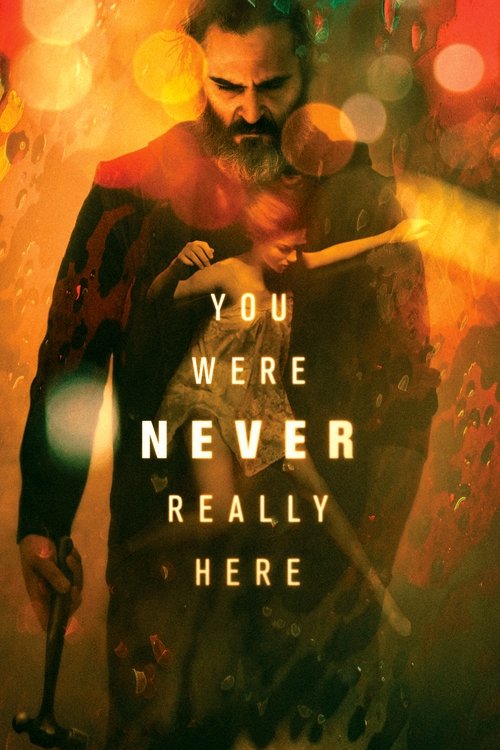
You Were Never Really Here
2017Lynne Ramsay
A rescue thriller that keeps cutting away from the violence to show the damage around it.
Next pressure pass: Add an editorial argument card so the page can make a sharper case.
Directors
Director matches

Alex Proyas
Rain-slick cities, wounded outsiders, and comic-book myth treated like dream logic

Tim Burton
Gothic pop melancholy rendered with storybook scale and outsider sympathy

Terry Gilliam
Baroque imagination, bureaucratic nightmare, and comic chaos in constant collision

Victor Fleming
Big-studio mythmaking delivered with momentum, craft, and emotional directness

Wolfgang Petersen
Pressure-tested spectacle where crews, kids, and whole worlds survive by holding the line
Articles
Editorial matches
The Wizard of Oz and the Moment Hollywood Learned How to Turn Longing Into a World
The Wizard of Oz still feels alive because it makes fantasy tactile, frightening, and emotionally precise instead of merely whimsical.
Barbie and the Risk of Becoming a Person Inside a Brand
Gerwig’s blockbuster works because it treats corporate fantasy as both playground and problem, then finds real feeling in the tension between the two.
Django Unchained and the Dangerous Charge of Turning History Into Revenge Myth
Django Unchained keeps provoking real argument because Tarantino binds romance, atrocity, comedy, and blood-soaked fantasy into one intentionally unstable western object.
True Lies and the Strange Art of Making Marital Farce Play at Blockbuster Scale
Cameron’s action-comedy stays watchable because it never treats the marriage plot as filler. Embarrassment, deception, and spectacle are all part of the same propulsion system.
The Game and the Seduction of Letting a System Break You on Purpose
Fincher’s luxury paranoia machine still lands because every escalation turns wealth, control, and self-protection into liabilities instead of armor.
Ed Wood and the Strange Beauty of Taking Artistic Devotion Seriously Even When the Work Is Terrible
Tim Burton’s warmest film matters because it refuses to mock creative compulsion from a superior distance.
Once Upon a Time in Hollywood and the Strange Grace of Letting a Movie Drift Until History Arrives
Tarantino’s late masterpiece works because its looseness is strategic, building affection, routine, and end-of-era melancholy before the fairy tale turns protective.
Gone Girl and the Pleasure of Watching a Marriage Become a Media Weapon
Gone Girl works because Fincher treats domestic resentment, TV narration, and image management as parts of the same poison system.
Lady Bird and the Power of Making a Whole World Out of One Hometown
Greta Gerwig’s debut hits so hard because it understands that local detail, class stress, and family friction are not limits on scope. They are the scope.
Halloween and the Power of Stripping Horror to Its Nerves
Halloween works because Carpenter removes almost everything nonessential and lets rhythm, space, and dread do the killing.
Vertigo and the Tragedy of Loving an Image More Than a Person
Hitchcock’s masterpiece grows more unsettling when you stop treating it as a mystery and start seeing it as a movie about desire trying to rewrite reality.
Goodfellas and the Seduction of a Life That Is Already Rotting
What makes Goodfellas immortal is that Scorsese never separates the rush from the critique. The thrill is the delivery system for the emptiness.
Taxi Driver and the Danger of Letting Alienation Curdle Into Mission
Scorsese’s landmark stays unnerving because it never treats Travis Bickle as a puzzle to solve. It traps us inside a worldview rotting in real time.
Unstoppable and the Pleasure of Watching Professionals Beat the Clock
Tony Scott’s runaway-train thriller works because it treats labor, timing, and practical nerve as a full spectacle system instead of background realism.
Drive and the Thin Line Between Cool and Disappearance
Nicolas Winding Refn’s neo-noir holds because it turns style into a form of loneliness rather than a layer painted on top of the story.
True Romance and the Miracle of Making Recklessness Feel Tender
Tony Scott’s lovers-on-the-run movie still feels special because it never treats style and sincerity as enemies.