
Search
Find the right movie, director, article, or collection without falling into database sludge.
Find the strongest way into the room
Find the movie pressure, filmmaker system, shelf, or argument that fits the appetite.
Use the full search page when the question is bigger than a title: pressure rooms, control freaks, survival engines, record-collection movies, and the arguments that connect them.
Search pulse
Recommended route
A cleaner path through “performance” than a flat result list.
Start with the highest-signal entry, then move through authorship, mood, or argument depending on what the search surfaced.
First click
1Monster
Patty Jenkins · 2003 · True Crime Drama. Start with the strongest title match, then branch into linked reads and collection lanes.
Then trace the author
2Patty Jenkins
Empathy under spectacle, bruised performance studies, and women carrying myth-sized pressure Use the filmmaker page to turn one match into a working system across Monster and Wonder Woman.
Then widen the mood
3Manufactured Dreams
Movies about performance, mythmaking, show-business machinery, and the strange cost of turning fantasy into public image.
Refine this search pass
Movies
Movie matches
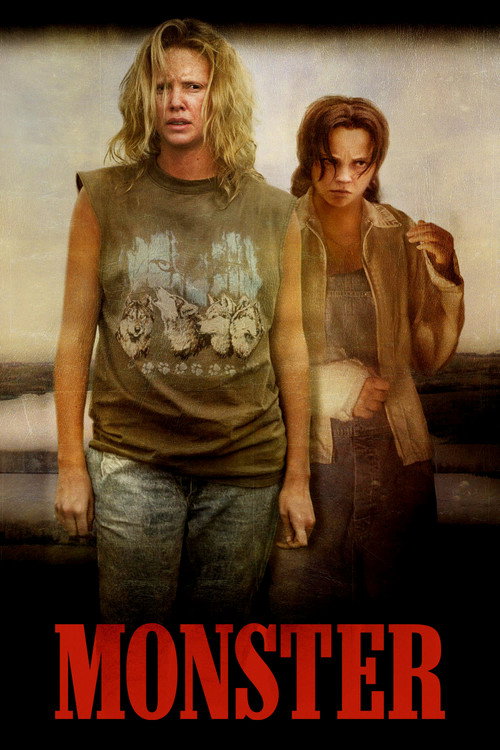
Monster
2003Patty Jenkins
A true-crime drama that refuses the safe distance of the case file.
Next pressure pass: Add an editorial argument card so the page can make a sharper case.
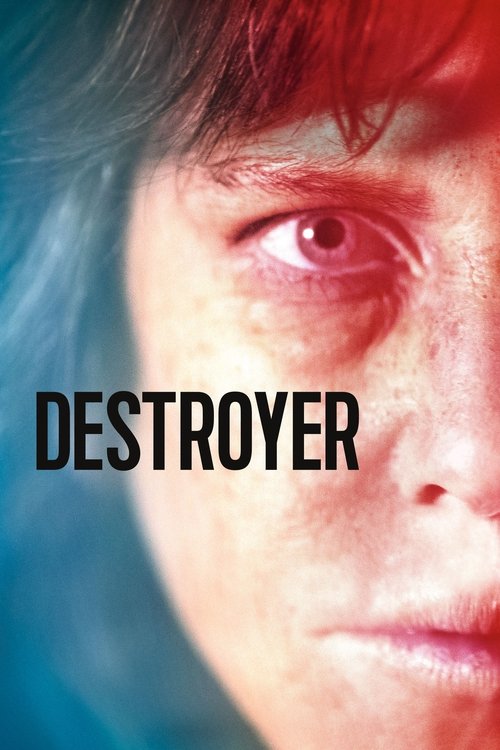
Destroyer
2018Karyn Kusama
A cop noir where the body keeps the case open.
Next pressure pass: Add an editorial argument card so the page can make a sharper case.
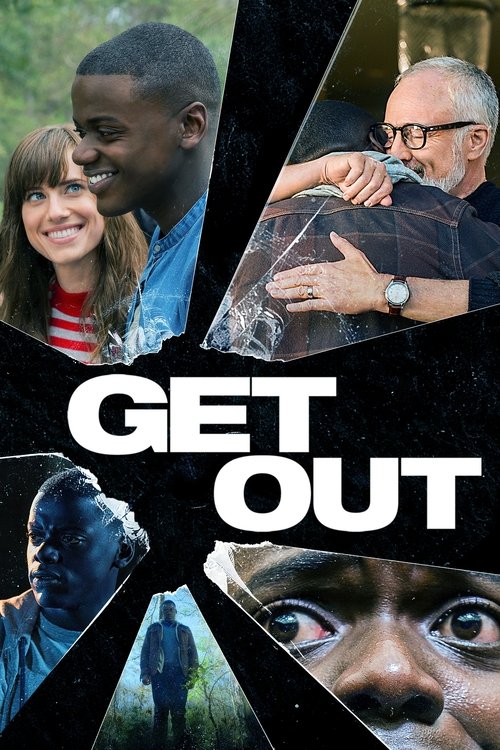
Get Out
2017Jordan Peele
Just because you are invited, does not mean you belong.
Next pressure pass: Place this title inside at least one collection for stronger discovery.
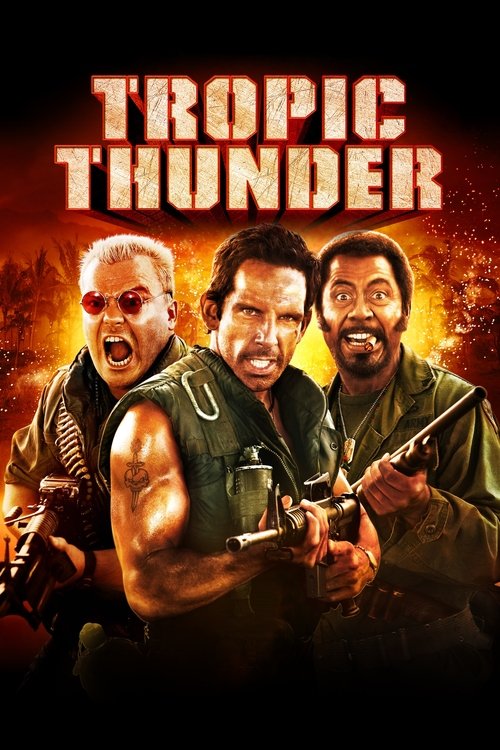
Tropic Thunder
2008Ben Stiller
Get Some.
Next pressure pass: This page is in strong shape. Add more authored context only if it serves a bigger lane.
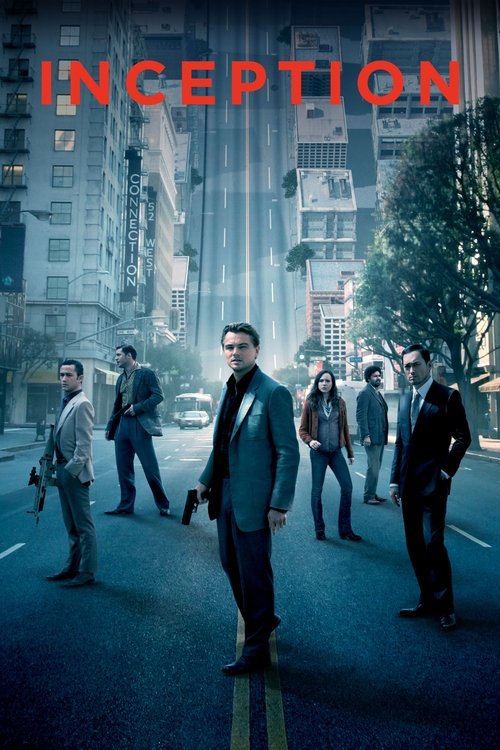
Inception
2010Christopher Nolan
Your mind is the scene of the crime.
Next pressure pass: This page is in strong shape. Add more authored context only if it serves a bigger lane.
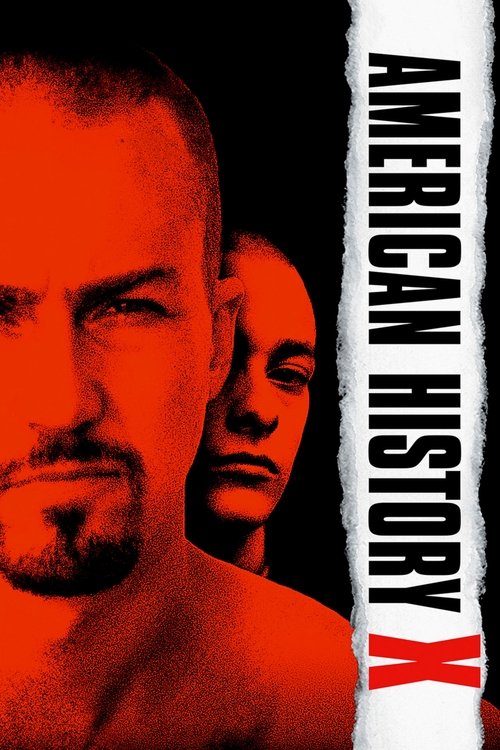
American History X
1998Tony Kaye
Some legacies must end.
Next pressure pass: This page is in strong shape. Add more authored context only if it serves a bigger lane.

Inglourious Basterds
2009Quentin Tarantino
Once upon a time in Nazi occupied France...
Next pressure pass: This page is in strong shape. Add more authored context only if it serves a bigger lane.
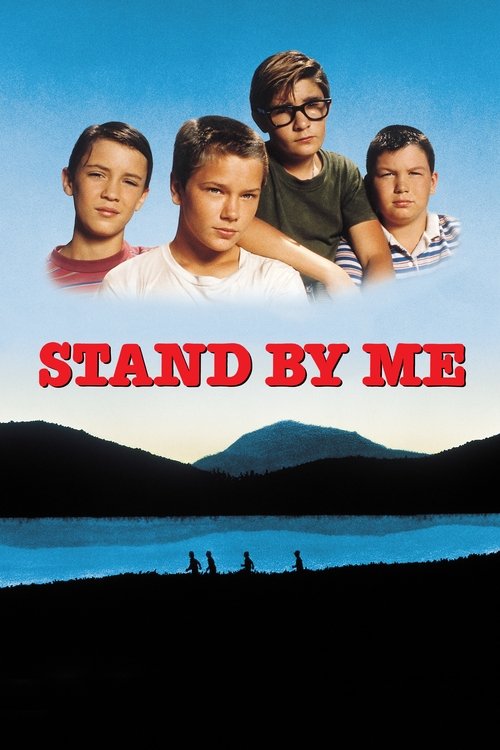
Stand by Me
1986Rob Reiner
A childhood walk that already knows what it lost.
Next pressure pass: Add an editorial argument card so the page can make a sharper case.
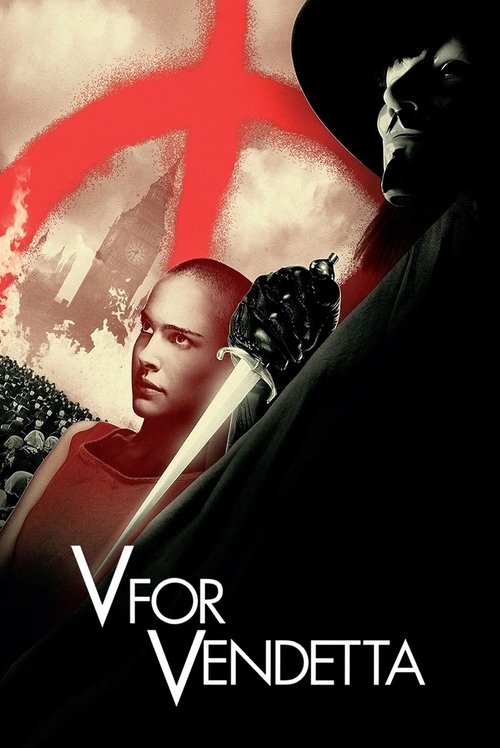
V for Vendetta
2006James McTeigue
People should not be afraid of their governments. Governments should be afraid of their people.
Next pressure pass: Add an editorial argument card so the page can make a sharper case.
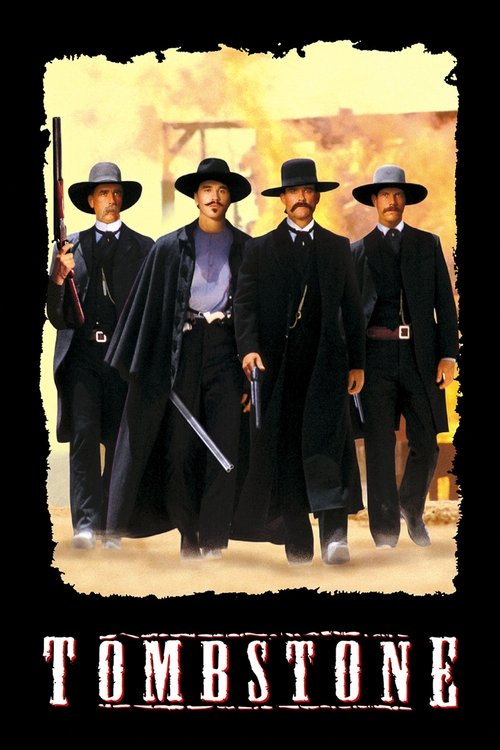
Tombstone
1993George P. Cosmatos
Justice is coming.
Next pressure pass: This page is in strong shape. Add more authored context only if it serves a bigger lane.

Barbie
2023Greta Gerwig
She’s everything. He’s just Ken.
Next pressure pass: This page is in strong shape. Add more authored context only if it serves a bigger lane.
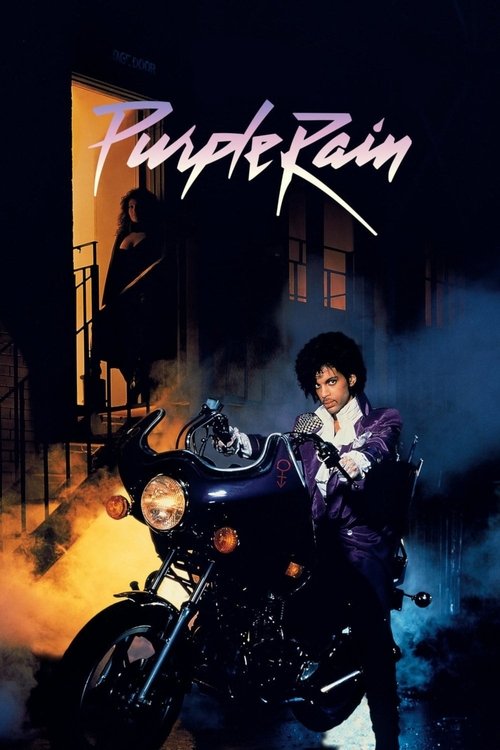
Purple Rain
1984Albert Magnoli
A record-collection movie where the stage is the confession booth.
Next pressure pass: Add the next dossier module, ideally ending.
Jennifer's Body
2009Karyn Kusama
The body was never the point. The appetite was.
Next pressure pass: Add an editorial argument card so the page can make a sharper case.
Directors
Director matches
Patty Jenkins
Empathy under spectacle, bruised performance studies, and women carrying myth-sized pressure

Martin Scorsese
Kinetic guilt cinema where crime, faith, appetite, and performance keep collecting interest

Emerald Fennell
Candy-colored surfaces, social punishment, performance traps, and endings that force the audience to audit its appetite

Ben Stiller
Mainstream comedy pushed toward ego panic, chaos, and industry satire

Mary Harron
Cold-eyed social critique delivered with wit, control, and moral disgust

James Foley
Actor-forward pressure cookers where language becomes a weapon

Karyn Kusama
Desire, identity, and genre pressure that exposes what people are performing to survive
Albert Magnoli
Pop-star mythology turned into backstage pressure and stage-light confession
Articles
Editorial matches
Inglourious Basterds and the Thrill of Turning Language Into a Weapon
Tarantino’s war fantasia works because the suspense is not built on firefights first. It is built on who can control the room, the accent, the cover story, and the next sentence.
American Psycho and the Horror of Treating Personality Like a Luxury Product
American Psycho survives because Mary Harron turns 80s status obsession into a performance nightmare where identity is just another item to curate.
Reservoir Dogs and the Genius of Building a Crime Movie Out of the Aftermath
Tarantino’s debut still crackles because it treats the failed heist as an excuse to trap voice, ego, and suspicion in one room until everyone starts bleeding through their own performance.
The Hateful Eight and the Decision to Make the Whole Room Feel Spiritually Uninhabitable
Tarantino’s snowbound chamber piece matters because it traps performance, prejudice, and national rot together until suspicion itself becomes the atmosphere.
The Girl with the Dragon Tattoo and the Cold Pleasure of Watching Procedure Cut Through Rot
Fincher’s Dragon Tattoo remake endures because research, pattern recognition, and bruised trust become as gripping as any chase scene.
True Lies and the Strange Art of Making Marital Farce Play at Blockbuster Scale
Cameron’s action-comedy stays watchable because it never treats the marriage plot as filler. Embarrassment, deception, and spectacle are all part of the same propulsion system.
How Tarantino’s Later Films Trade Cool for Consequence
Jackie Brown, Kill Bill: Vol. 2, The Hateful Eight, and Once Upon a Time in Hollywood all reveal a filmmaker getting more interested in aftermath, drift, and emotional residue than in pure pop detonation.
Django Unchained and the Dangerous Charge of Turning History Into Revenge Myth
Django Unchained keeps provoking real argument because Tarantino binds romance, atrocity, comedy, and blood-soaked fantasy into one intentionally unstable western object.
Tombstone and the Pure Movie Pleasure of Watching Charisma Turn Into Frontier Code
Tombstone lasts because it understands that western mythology often lives or dies on presence, loyalty, and line delivery before it ever reaches historical argument.
The Fifth Element and the Confidence of Treating Worldbuilding Excess as the Whole Point
Luc Besson’s sci-fi oddity still works because it refuses to apologize for tonal collision, costume overload, and pop-opera futurism.
Glengarry Glen Ross and the Way Language Becomes Its Own Predatory System
Glengarry Glen Ross still cuts because James Foley stages sales talk as status warfare where every word is either leverage or humiliation.
Gone Girl and the Pleasure of Watching a Marriage Become a Media Weapon
Gone Girl works because Fincher treats domestic resentment, TV narration, and image management as parts of the same poison system.
The Social Network and the Violence of Turning Status Into a Product
Fincher and Sorkin make ambition move fast enough to feel intoxicating, then show how quickly that speed turns relationships into collateral.
Jackie Brown and the Quiet Thrill of Watching Adults Feel Time Closing In
Tarantino’s warmest movie lasts because swagger gives way to patience, compromise, and the ache of people trying to buy back a little room to breathe.
North by Northwest and the Pleasure of Pure Cinematic Momentum
North by Northwest still feels fresh because Hitchcock treats mistaken identity as an excuse to build one of the great motion machines in studio-era cinema.
The Departed: A Remake That Wins by Getting Meaner, Hotter, and More American
Scorsese’s Boston pressure cooker works because it turns identity, class hostility, and institutional rot into one loud, filthy propulsion system.
Goodfellas and the Seduction of a Life That Is Already Rotting
What makes Goodfellas immortal is that Scorsese never separates the rush from the critique. The thrill is the delivery system for the emptiness.
Taxi Driver and the Danger of Letting Alienation Curdle Into Mission
Scorsese’s landmark stays unnerving because it never treats Travis Bickle as a puzzle to solve. It traps us inside a worldview rotting in real time.
Blue Velvet: The American Nightmare Hiding Beneath the Lawn
David Lynch’s cult landmark still feels dangerous because it turns curiosity into complicity and suburbia into a stage for desire, cruelty, and rot.
Following and the First Draft of Nolan as a Surveillance Storyteller
Christopher Nolan’s debut is tiny in scale but already obsessed with looking, self-invention, and how easily curiosity turns into entrapment.
American History X and the Terrible Efficiency of Passing Rage Downward
Tony Kaye’s drama still hits because it understands hatred as something performed, inherited, and normalized at home before it hardens into ideology.
The Prestige and the Cost of Building a Life Around Winning
Christopher Nolan’s magic-rivalry thriller lands hardest when you stop treating it like a twist machine and start reading it as obsession cinema.
The Psychology Behind Fight Club: Modern Masculinity in Crisis
David Fincher's Fight Club remains a haunting exploration of male identity, consumer culture, and the search for meaning in modern society.
Collections
Collection matches
Manufactured Dreams
Movies about performance, mythmaking, show-business machinery, and the strange cost of turning fantasy into public image.
Status Traps
Ambition, reputation management, and movies where climbing the ladder quietly poisons the people doing it.
Women-Directed Pressure Rooms
Women-directed films where genre, image, bodies, and self-invention become pressure systems instead of soft-focus sidebars.