
Search
Find the right movie, director, article, or collection without falling into database sludge.
Find the strongest way into the room
Find the movie pressure, filmmaker system, shelf, or argument that fits the appetite.
Use the full search page when the question is bigger than a title: pressure rooms, control freaks, survival engines, record-collection movies, and the arguments that connect them.
Search pulse
Recommended route
A cleaner path through “tech dread” than a flat result list.
Start with the highest-signal entry, then move through authorship, mood, or argument depending on what the search surfaced.
First click
1Prisoners
Denis Villeneuve · 2013 · Thriller. Start with the strongest title match, then branch into linked reads and collection lanes.
Then trace the author
2Neill Blomkamp
Dirty future tech, refugee-camp pressure, and military hardware colliding with social satire Use the filmmaker page to turn one match into a working system across District 9 and Elysium.
Then widen the mood
3Machine Nightmares
Cold systems, synthetic threats, and movies where technology stops feeling like a tool and starts feeling like an adversary.
Refine this search pass
Movies
Movie matches

Prisoners
2013Denis Villeneuve
Every moment matters.
Next pressure pass: Add an editorial argument card so the page can make a sharper case.
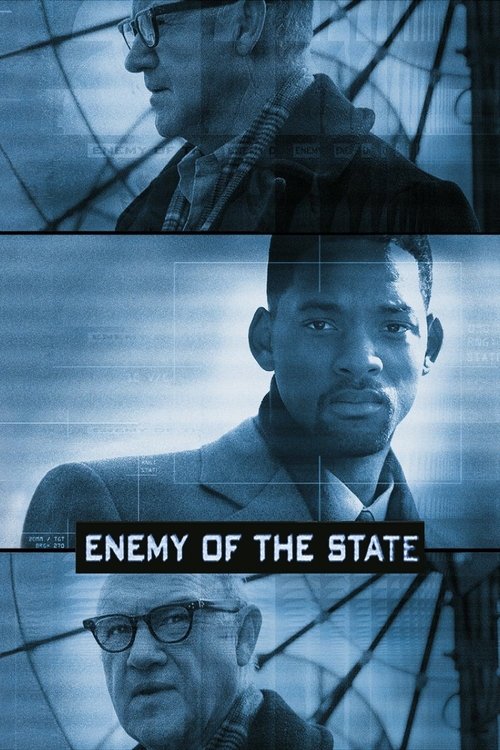
Enemy of the State
1998Tony Scott
It’s not paranoia if they’re really after you.
Next pressure pass: This page is in strong shape. Add more authored context only if it serves a bigger lane.
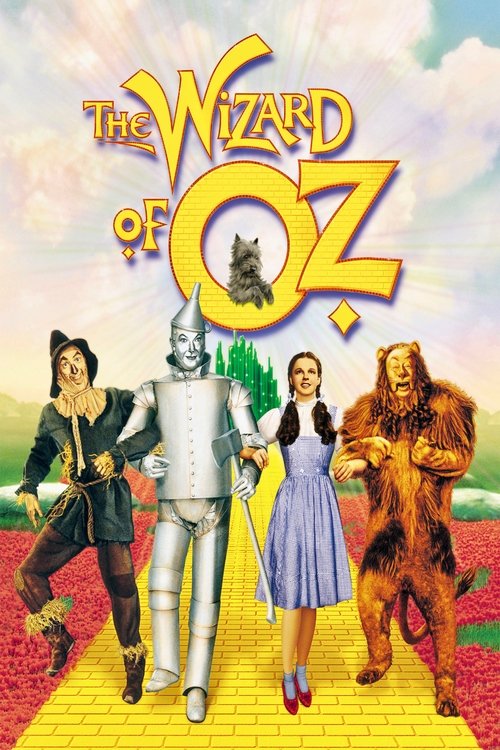
The Wizard of Oz
1939Victor Fleming
There's no place like home.
Next pressure pass: This page is in strong shape. Add more authored context only if it serves a bigger lane.
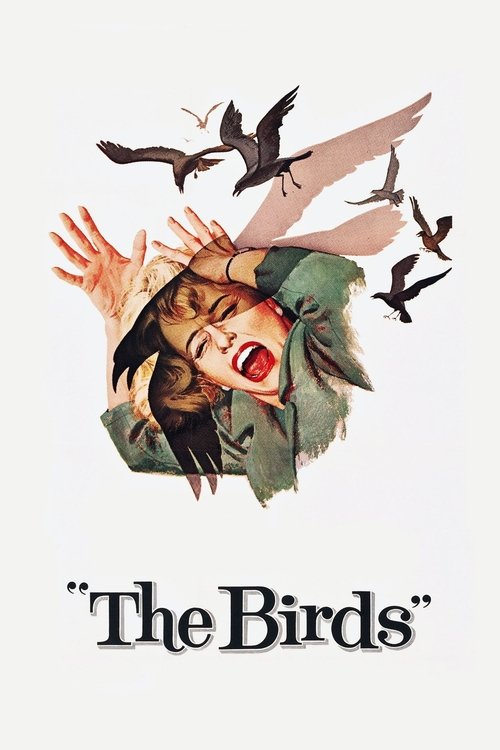
The Birds
1963Alfred Hitchcock
…and remember, the next scream you hear may be your own.
Next pressure pass: This page is in strong shape. Add more authored context only if it serves a bigger lane.

The Virgin Suicides
1999Sofia Coppola
Suburbia as a sealed room, memory as the unreliable narrator.
Next pressure pass: Add an editorial argument card so the page can make a sharper case.
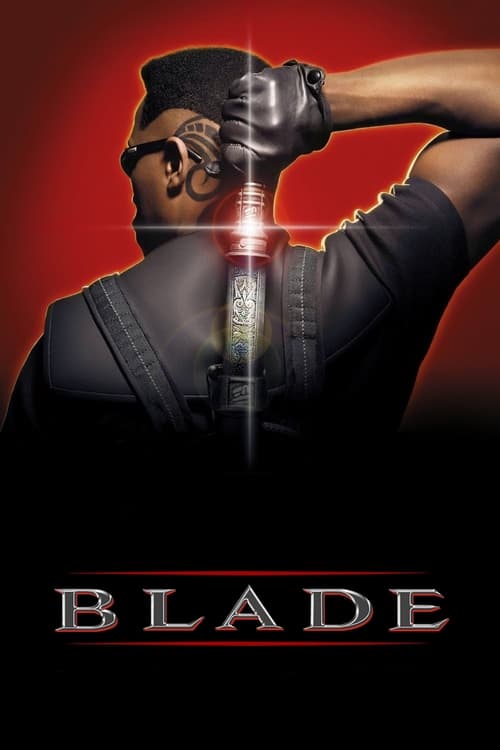
Blade
1998Stephen Norrington
The power of an immortal. The soul of a human. The heart of a hero.
Next pressure pass: Place this title inside at least one collection for stronger discovery.
Directors
Director matches

Neill Blomkamp
Dirty future tech, refugee-camp pressure, and military hardware colliding with social satire

Alfred Hitchcock
Suspense architecture, point-of-view tension, and wit sharpened into dread

James Cameron
Engineering-driven spectacle fused to survival pressure and emotional clarity

Steven Spielberg
Classical clarity, emotional immediacy, and blockbuster scale with human stakes
Articles
Editorial matches
Enemy of the State: Surveillance Panic Before Surveillance Became Daily Atmosphere
Tony Scott’s thriller still moves because it understands how terrifying it is when a system can rewrite your life faster than you can explain yourself.
The Social Network and the Violence of Turning Status Into a Product
Fincher and Sorkin make ambition move fast enough to feel intoxicating, then show how quickly that speed turns relationships into collateral.
Minority Report and the Seduction of Frictionless Control
Spielberg’s future thriller keeps gaining power because it understands how easily safety, convenience, and surveillance start using the same sales pitch.
Halloween and the Power of Stripping Horror to Its Nerves
Halloween works because Carpenter removes almost everything nonessential and lets rhythm, space, and dread do the killing.
Zodiac and the Way Investigation Turns Into a Life-Consuming Infection
David Fincher’s procedural masterpiece gets under the skin by refusing release and letting accumulation itself become the source of dread.
Terminator 2 and the Blockbuster Miracle of Making Machine War Feel Personal
James Cameron’s sequel gets larger, louder, and more advanced, but it stays alive because every escalation feeds the movie’s protector-child-parent triangle.
Dune: Messiah and the Risk of Following Triumph With Spiritual Fallout
The real reason to track Dune: Messiah early is that it could force blockbuster franchise culture to sit inside consequence instead of momentum.
The Abyss and the Risky Beauty of Turning Industrial Pressure Into Contact Cinema
Cameron’s undersea epic stays alive because it never treats labor, machinery, and emotional damage as setup for the awe. They are the price of reaching it.
The Game and the Seduction of Letting a System Break You on Purpose
Fincher’s luxury paranoia machine still lands because every escalation turns wealth, control, and self-protection into liabilities instead of armor.
The Wizard of Oz and the Moment Hollywood Learned How to Turn Longing Into a World
The Wizard of Oz still feels alive because it makes fantasy tactile, frightening, and emotionally precise instead of merely whimsical.
Once Upon a Time in Hollywood and the Strange Grace of Letting a Movie Drift Until History Arrives
Tarantino’s late masterpiece works because its looseness is strategic, building affection, routine, and end-of-era melancholy before the fairy tale turns protective.
Vertigo and the Tragedy of Loving an Image More Than a Person
Hitchcock’s masterpiece grows more unsettling when you stop treating it as a mystery and start seeing it as a movie about desire trying to rewrite reality.
The Conversation and the Horror of Hearing Too Much
Coppola’s surveillance classic cuts deepest when you read it as a movie about professionalism failing to protect the conscience that hides behind it.
Raging Bull: When Formal Greatness Refuses to Save the Man at the Center
Scorsese’s boxing masterpiece hits so hard because it uses virtuosity to study a person who keeps turning love, work, and ambition into damage.
Dunkirk and the Power of Treating Survival as Pure Duration
Dunkirk strips war-movie psychology down to time, space, and immediate peril, then finds feeling inside the compression.
Collections
Collection matches
Machine Nightmares
Cold systems, synthetic threats, and movies where technology stops feeling like a tool and starts feeling like an adversary.
Villeneuve Pressure Systems
Denis Villeneuve films where dread, scale, silence, and systems thinking turn genre premises into pressure chambers.
Women-Directed Pressure Rooms
Women-directed films where genre, image, bodies, and self-invention become pressure systems instead of soft-focus sidebars.
Cathedral Scale
Big-screen movies built around scale, countdown pressure, and the feeling that spectacle only matters because consequence rides inside it.
Paranoia Machines
Containment, distrust, infiltration, and movies that trap characters inside systems they can no longer verify.