Search
Find the right movie, director, article, or collection without falling into database sludge.
Find the strongest way into the room
Find the movie pressure, filmmaker system, shelf, or argument that fits the appetite.
Use the full search page when the question is bigger than a title: pressure rooms, control freaks, survival engines, record-collection movies, and the arguments that connect them.
Search pulse
Recommended route
A cleaner path through “mad max” than a flat result list.
Start with the highest-signal entry, then move through authorship, mood, or argument depending on what the search surfaced.
First click
1Furiosa: A Mad Max Saga
George Miller · 2024 · Action Saga. Start with the strongest title match, then branch into linked reads and collection lanes.
Then trace the author
2George Miller
Mythic chase cinema built from clean geography, practical impact, and humane chaos Use the filmmaker page to turn one match into a working system across Mad Max and Mad Max 2.
Then widen the mood
3Cathedral Scale
Big-screen movies built around scale, countdown pressure, and the feeling that spectacle only matters because consequence rides inside it.
Refine this search pass
Movies
Movie matches
Furiosa: A Mad Max Saga
2024George Miller
Fury is learned before it is unleashed.
Next pressure pass: This page is in strong shape. Add more authored context only if it serves a bigger lane.
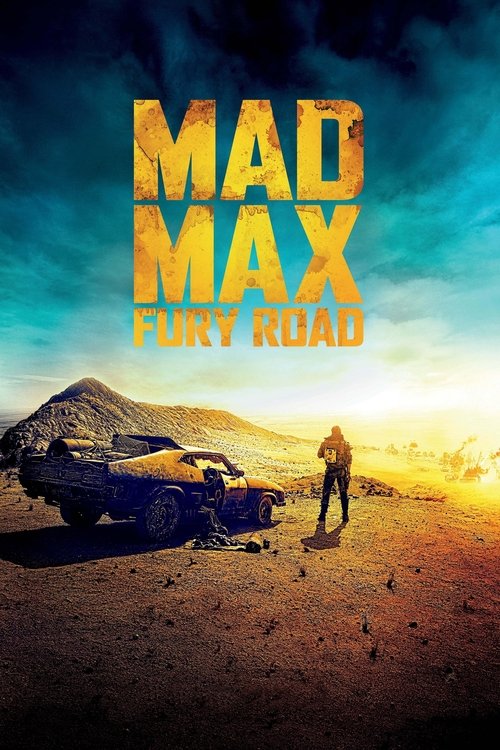
Mad Max: Fury Road
2015George Miller
What a lovely day.
Next pressure pass: Add an editorial argument card so the page can make a sharper case.
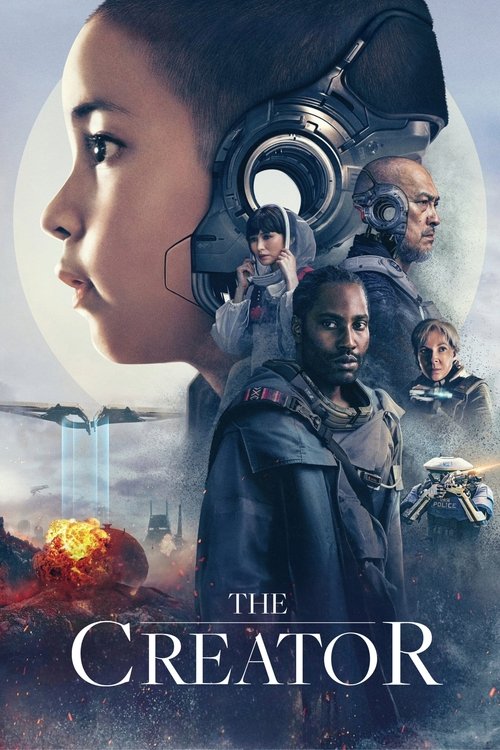
The Creator
2023Gareth Edwards
This is original sci-fi built like field footage, not showroom spectacle.
Next pressure pass: Add an editorial argument card so the page can make a sharper case.
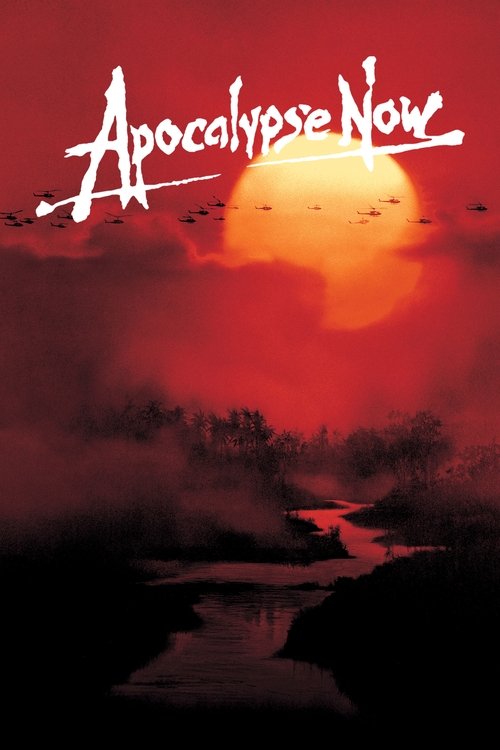
Apocalypse Now
1979Francis Ford Coppola
The horror. The horror.
Next pressure pass: Add an editorial argument card so the page can make a sharper case.
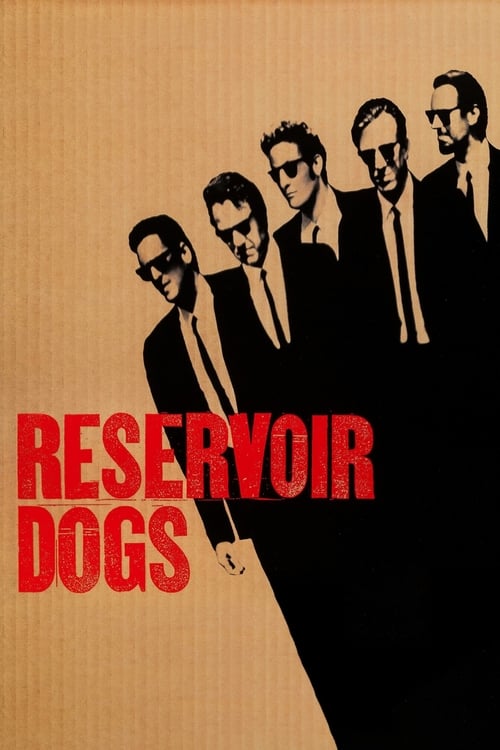
Reservoir Dogs
1992Quentin Tarantino
Every dog has his day.
Next pressure pass: This page is in strong shape. Add more authored context only if it serves a bigger lane.
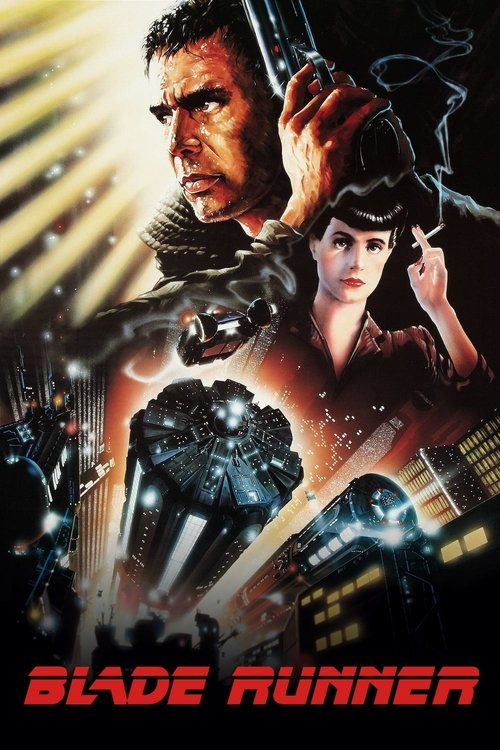
Blade Runner
1982Ridley Scott
Man has made his match. Now it is his problem.
Next pressure pass: This page is in strong shape. Add more authored context only if it serves a bigger lane.
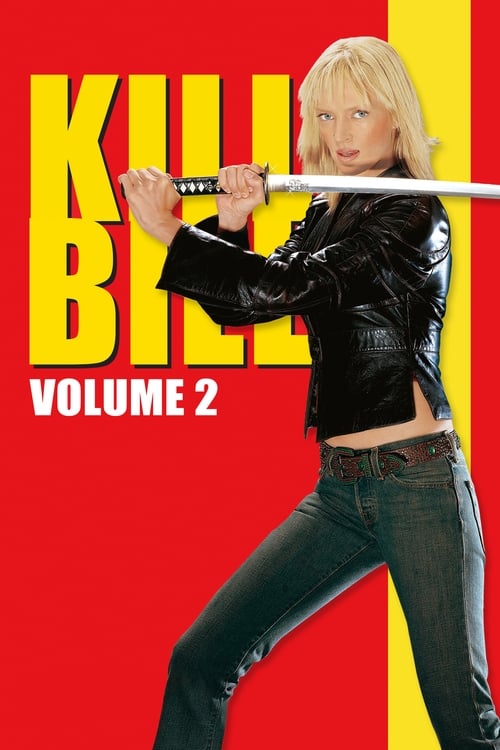
Kill Bill: Vol. 2
2004Quentin Tarantino
The bride is back for the final cut.
Next pressure pass: This page is in strong shape. Add more authored context only if it serves a bigger lane.
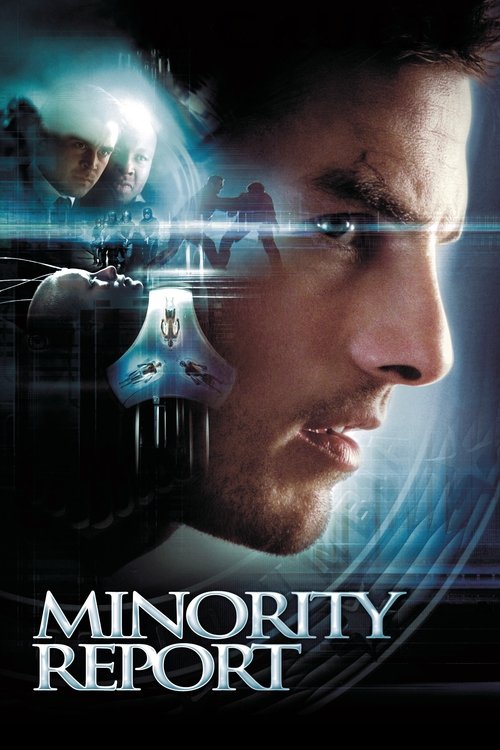
Minority Report
2002Steven Spielberg
Everybody runs.
Next pressure pass: This page is in strong shape. Add more authored context only if it serves a bigger lane.
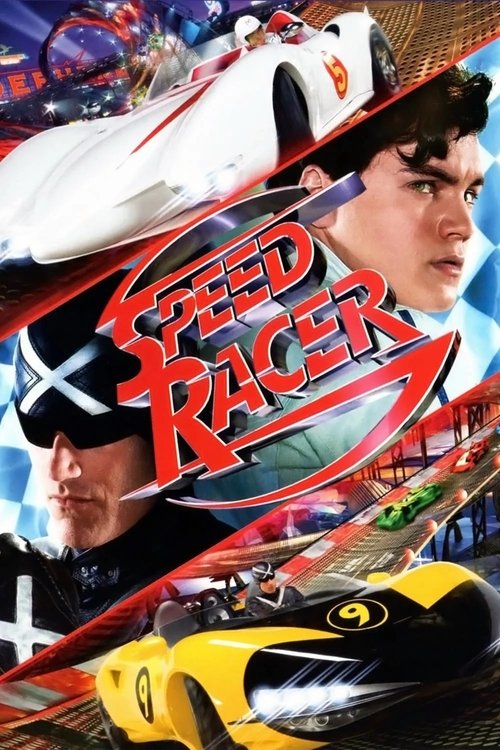
Speed Racer
2008Lana Wachowski & Lilly Wachowski
Go!
Next pressure pass: Add an editorial argument card so the page can make a sharper case.

Lady Bird
2017Greta Gerwig
Fly away home.
Next pressure pass: This page is in strong shape. Add more authored context only if it serves a bigger lane.
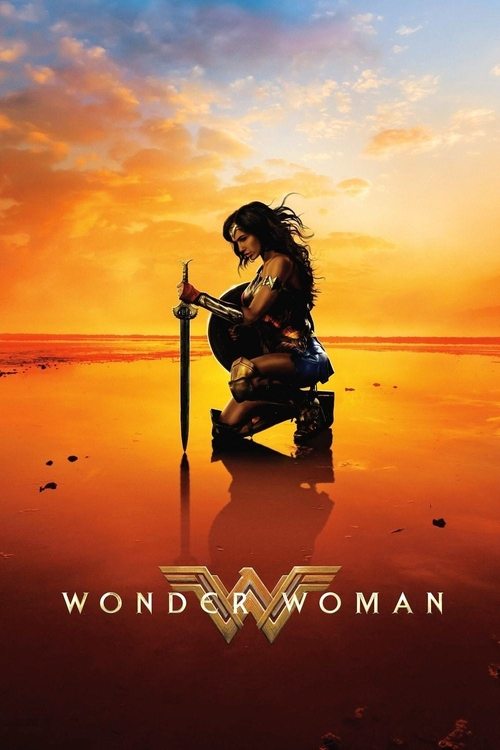
Wonder Woman
2017Patty Jenkins
A superhero origin where sincerity is the weapon, not the weakness.
Next pressure pass: Add an editorial argument card so the page can make a sharper case.
Directors
Director matches
George Miller
Mythic chase cinema built from clean geography, practical impact, and humane chaos

David Lynch
Dream logic, ruptured identity, and American darkness made tactile

Tony Scott
Hyperkinetic image-making fused to command pressure and emotional combustion

James McTeigue
Matrix-trained action grammar used for symbols, surveillance, and theatrical resistance

Luc Besson
Pop-operatic spectacle with pulp sincerity and comic-book velocity
Articles
Editorial matches
The Odyssey Opening Weekend Is Bigger Than a Box-Office Victory Lap
Nolan’s opening matters because authored spectacle, format consciousness, ancient myth, and theatrical culture all became part of the same public event.
Jackie Brown and the Quiet Thrill of Watching Adults Feel Time Closing In
Tarantino’s warmest movie lasts because swagger gives way to patience, compromise, and the ache of people trying to buy back a little room to breathe.
The Matrix and the Moment Blockbusters Learned to Think in Code
The Matrix changed action cinema because the Wachowskis made philosophy, rebellion, and image-system cool feel like the same piece of entertainment.
Titanic and the Power of Making Industrial Spectacle Feel Emotionally Legible
Titanic lasts because Cameron never treats feeling as the embarrassing part of the enterprise. The romance, class tension, and mechanical catastrophe are all designed to reinforce each other.
How Tarantino’s Later Films Trade Cool for Consequence
Jackie Brown, Kill Bill: Vol. 2, The Hateful Eight, and Once Upon a Time in Hollywood all reveal a filmmaker getting more interested in aftermath, drift, and emotional residue than in pure pop detonation.
Inglourious Basterds and the Thrill of Turning Language Into a Weapon
Tarantino’s war fantasia works because the suspense is not built on firefights first. It is built on who can control the room, the accent, the cover story, and the next sentence.
The Conversation and the Horror of Hearing Too Much
Coppola’s surveillance classic cuts deepest when you read it as a movie about professionalism failing to protect the conscience that hides behind it.
Raging Bull: When Formal Greatness Refuses to Save the Man at the Center
Scorsese’s boxing masterpiece hits so hard because it uses virtuosity to study a person who keeps turning love, work, and ambition into damage.
The Dark Knight: Order, Chaos, and the Hero's Moral Dilemma
How Christopher Nolan elevated superhero cinema by exploring the philosophical battle between Batman and the Joker.
Aliens and the Brilliant Decision to Turn Survival Horror Into Platoon Panic
Cameron’s sequel works because it does not simply supersize Ridley Scott’s terror. It rebuilds the xenomorph threat around group collapse, siege pressure, and Ripley’s protective ferocity.
Terminator 2 and the Blockbuster Miracle of Making Machine War Feel Personal
James Cameron’s sequel gets larger, louder, and more advanced, but it stays alive because every escalation feeds the movie’s protector-child-parent triangle.
The Wizard of Oz and the Moment Hollywood Learned How to Turn Longing Into a World
The Wizard of Oz still feels alive because it makes fantasy tactile, frightening, and emotionally precise instead of merely whimsical.
North by Northwest and the Pleasure of Pure Cinematic Momentum
North by Northwest still feels fresh because Hitchcock treats mistaken identity as an excuse to build one of the great motion machines in studio-era cinema.
Collections
Collection matches
Cathedral Scale
Big-screen movies built around scale, countdown pressure, and the feeling that spectacle only matters because consequence rides inside it.
Rewatchables
Movies built for return visits, momentum, quotability, texture, and pure replay value.
Stylized Worlds
Big visual identity, mythic energy, and movies that know exactly how they want to look and feel.
Survival Systems
Movies where staying alive means reading rules, terrain, logistics, and bodies faster than the danger can adapt.