
Search
Find the right movie, director, article, or collection without falling into database sludge.
Find the strongest way into the room
Find the movie pressure, filmmaker system, shelf, or argument that fits the appetite.
Use the full search page when the question is bigger than a title: pressure rooms, control freaks, survival engines, record-collection movies, and the arguments that connect them.
Search pulse
Recommended route
A cleaner path through “pulp fiction” than a flat result list.
Start with the highest-signal entry, then move through authorship, mood, or argument depending on what the search surfaced.
First click
1Pulp Fiction
Quentin Tarantino · 1994 · Crime. Start with the strongest title match, then branch into linked reads and collection lanes.
Then trace the author
2Quentin Tarantino
Record-collection cinema where talk, violence, music, and movie memory become rhythm Use the filmmaker page to turn one match into a working system across Pulp Fiction and Kill Bill.
Then widen the mood
3Stylized Worlds
Big visual identity, mythic energy, and movies that know exactly how they want to look and feel.
Refine this search pass
Movies
Movie matches

Pulp Fiction
1994Quentin Tarantino
Just because you are a character doesn't mean you have character.
Next pressure pass: This page is in strong shape. Add more authored context only if it serves a bigger lane.
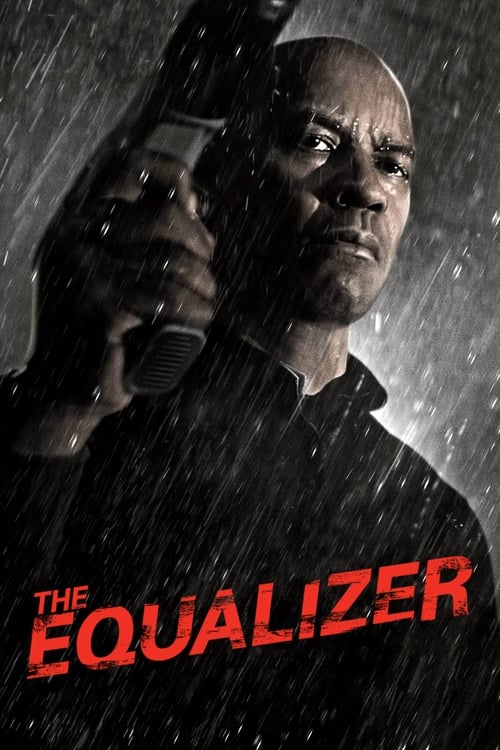
The Equalizer
2014Antoine Fuqua
A quiet man, a stopwatch, and a hardware store full of consequences.
Next pressure pass: Add an editorial argument card so the page can make a sharper case.
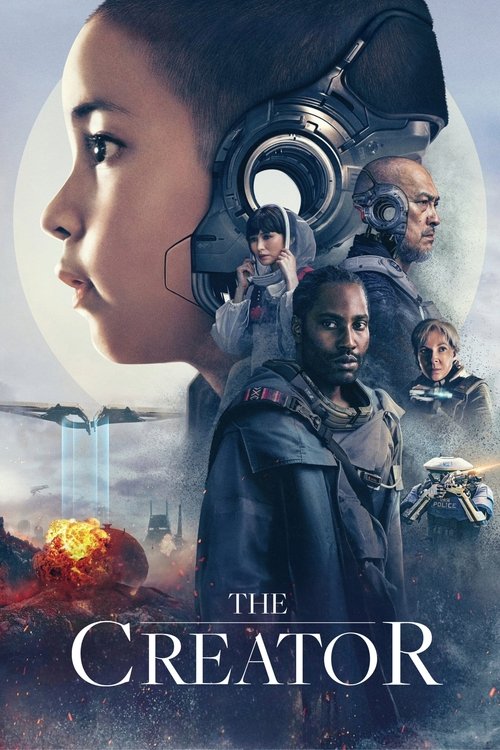
The Creator
2023Gareth Edwards
This is original sci-fi built like field footage, not showroom spectacle.
Next pressure pass: Add an editorial argument card so the page can make a sharper case.
Directors
Director matches

Quentin Tarantino
Record-collection cinema where talk, violence, music, and movie memory become rhythm

Paul Verhoeven
Provocation, pulp, and savage satire hidden inside crowd-pleasing genre form

Luc Besson
Pop-operatic spectacle with pulp sincerity and comic-book velocity

Denis Villeneuve
Atmospheric tension with profound visual storytelling

John Carpenter
Synth-driven genre minimalism with siege tension and anti-authority bite
Articles
Editorial matches
Pulp Fiction: Revolutionizing Narrative Structure in Cinema
Quentin Tarantino's non-linear masterpiece redefined storytelling in modern cinema through its bold narrative experiments.
The Fifth Element and the Confidence of Treating Worldbuilding Excess as the Whole Point
Luc Besson’s sci-fi oddity still works because it refuses to apologize for tonal collision, costume overload, and pop-opera futurism.
They Live: Satire That Knows a Cult Movie Can Also Hit Like a Brick
They Live lasts because Carpenter makes his anti-consumer nightmare blunt on purpose, then gives it just enough pulp propulsion to keep the sermon alive.
Blade Runner and the Melancholy of Manufactured Memory
Ridley Scott’s future-noir lasts because its atmosphere is not decoration, it is the emotional form of a movie about built lives and borrowed time.
The Terminator: How James Cameron Turned Future War Into Pure Pursuit Cinema
The Terminator still hits because Cameron strips a huge sci-fi premise down to one merciless chase and lets horror logic do the rest.
The Abyss and the Risky Beauty of Turning Industrial Pressure Into Contact Cinema
Cameron’s undersea epic stays alive because it never treats labor, machinery, and emotional damage as setup for the awe. They are the price of reaching it.
Aliens and the Brilliant Decision to Turn Survival Horror Into Platoon Panic
Cameron’s sequel works because it does not simply supersize Ridley Scott’s terror. It rebuilds the xenomorph threat around group collapse, siege pressure, and Ripley’s protective ferocity.
Terminator 2 and the Blockbuster Miracle of Making Machine War Feel Personal
James Cameron’s sequel gets larger, louder, and more advanced, but it stays alive because every escalation feeds the movie’s protector-child-parent triangle.
Tenet and the Thrill of a Blockbuster That Refuses to Simplify Its Hostile World
Tenet divides audiences for good reason, but its appeal is inseparable from the feeling that Nolan built a movie where time itself behaves like an antagonist.
Minority Report and the Seduction of Frictionless Control
Spielberg’s future thriller keeps gaining power because it understands how easily safety, convenience, and surveillance start using the same sales pitch.
RoboCop and the Horror of Being Rebuilt for Efficiency
Paul Verhoeven’s classic is not just a cyborg action movie, it is a brutal joke about what happens when corporate logic gets hold of the human body.
The Matrix and the Moment Blockbusters Learned to Think in Code
The Matrix changed action cinema because the Wachowskis made philosophy, rebellion, and image-system cool feel like the same piece of entertainment.
Interstellar: Engineering, Grief, and the Earnestness That Makes It Work
Interstellar keeps surviving backlash cycles because Nolan ties its cosmic spectacle to separation, time loss, and family grief.
Inception: The Architecture of Dreams and Reality
Christopher Nolan's masterpiece explores the layers of consciousness while questioning the nature of reality itself.
Halloween and the Power of Stripping Horror to Its Nerves
Halloween works because Carpenter removes almost everything nonessential and lets rhythm, space, and dread do the killing.
True Romance and the Miracle of Making Recklessness Feel Tender
Tony Scott’s lovers-on-the-run movie still feels special because it never treats style and sincerity as enemies.
Collections
Collection matches
Stylized Worlds
Big visual identity, mythic energy, and movies that know exactly how they want to look and feel.
Machine Nightmares
Cold systems, synthetic threats, and movies where technology stops feeling like a tool and starts feeling like an adversary.
Villeneuve Pressure Systems
Denis Villeneuve films where dread, scale, silence, and systems thinking turn genre premises into pressure chambers.