Search
Find the right movie, director, article, or collection without falling into database sludge.
Find the strongest way into the room
Find the movie pressure, filmmaker system, shelf, or argument that fits the appetite.
Use the full search page when the question is bigger than a title: pressure rooms, control freaks, survival engines, record-collection movies, and the arguments that connect them.
Search pulse
Recommended route
A cleaner path through “strange” than a flat result list.
Start with the highest-signal entry, then move through authorship, mood, or argument depending on what the search surfaced.
First click
1Strange Days
Kathryn Bigelow · 1995 · Sci-Fi Noir. Start with the strongest title match, then branch into linked reads and collection lanes.
Then trace the author
2Kathryn Bigelow
Kinetic procedure, bodies under pressure, and systems that turn danger into addiction Use the filmmaker page to turn one match into a working system across Near Dark and Point Break.
Then widen the mood
3Cult and Oddball
The lane where personality beats polish and cult energy becomes part of the pleasure.
Refine this search pass
Movies
Movie matches
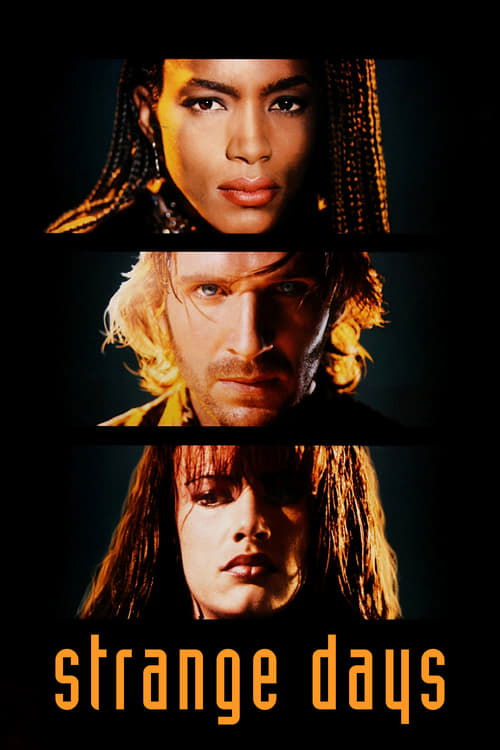
Strange Days
1995Kathryn Bigelow
You know you want it.
Next pressure pass: Add an editorial argument card so the page can make a sharper case.
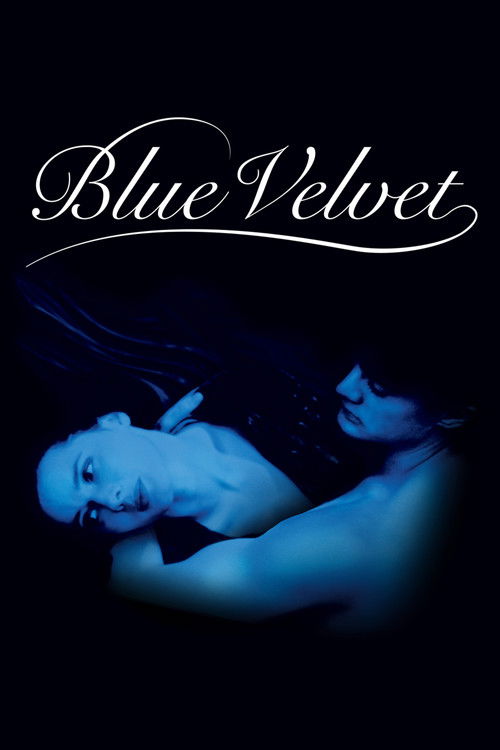
Blue Velvet
1986David Lynch
It's a strange world, isn't it?
Next pressure pass: This page is in strong shape. Add more authored context only if it serves a bigger lane.
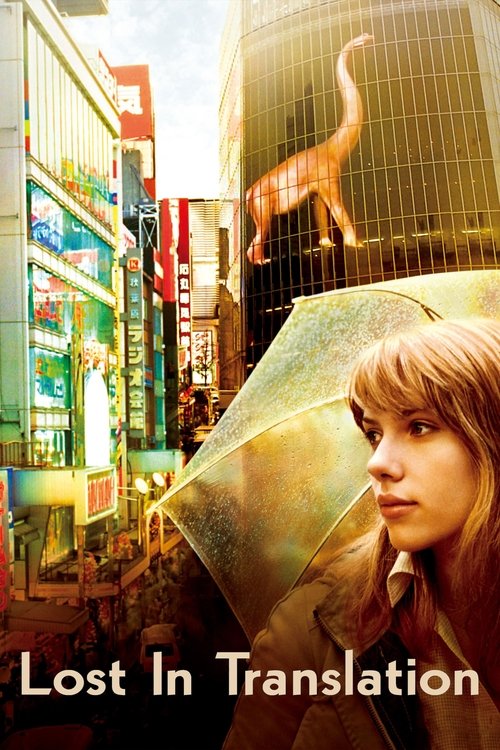
Lost in Translation
2003Sofia Coppola
A jet-lag romance where the quiet is the whole charge.
Next pressure pass: Add an editorial argument card so the page can make a sharper case.
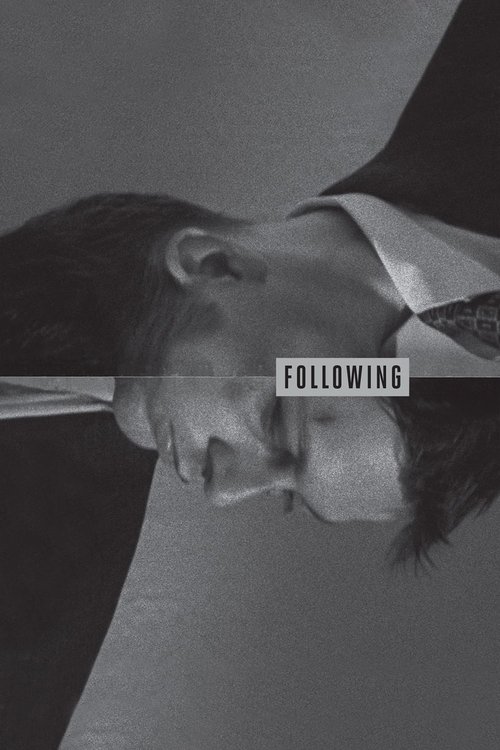
Following
1998Christopher Nolan
Obsession can be a dangerous substitute for a life.
Next pressure pass: This page is in strong shape. Add more authored context only if it serves a bigger lane.
Directors
Director matches

Kathryn Bigelow
Kinetic procedure, bodies under pressure, and systems that turn danger into addiction

Ben Stiller
Mainstream comedy pushed toward ego panic, chaos, and industry satire
Articles
Editorial matches
True Lies and the Strange Art of Making Marital Farce Play at Blockbuster Scale
Cameron’s action-comedy stays watchable because it never treats the marriage plot as filler. Embarrassment, deception, and spectacle are all part of the same propulsion system.
Ed Wood and the Strange Beauty of Taking Artistic Devotion Seriously Even When the Work Is Terrible
Tim Burton’s warmest film matters because it refuses to mock creative compulsion from a superior distance.
Once Upon a Time in Hollywood and the Strange Grace of Letting a Movie Drift Until History Arrives
Tarantino’s late masterpiece works because its looseness is strategic, building affection, routine, and end-of-era melancholy before the fairy tale turns protective.
The Odyssey Opening Weekend Is Bigger Than a Box-Office Victory Lap
Nolan’s opening matters because authored spectacle, format consciousness, ancient myth, and theatrical culture all became part of the same public event.
Us and the Terror of What America Needs to Keep Underground
Peele’s follow-up becomes more interesting the moment you stop asking it to behave like a puzzle and start watching it as a national ghost story.
Terminator 2 and the Blockbuster Miracle of Making Machine War Feel Personal
James Cameron’s sequel gets larger, louder, and more advanced, but it stays alive because every escalation feeds the movie’s protector-child-parent triangle.
The Fifth Element and the Confidence of Treating Worldbuilding Excess as the Whole Point
Luc Besson’s sci-fi oddity still works because it refuses to apologize for tonal collision, costume overload, and pop-opera futurism.
They Live: Satire That Knows a Cult Movie Can Also Hit Like a Brick
They Live lasts because Carpenter makes his anti-consumer nightmare blunt on purpose, then gives it just enough pulp propulsion to keep the sermon alive.
Vertigo and the Tragedy of Loving an Image More Than a Person
Hitchcock’s masterpiece grows more unsettling when you stop treating it as a mystery and start seeing it as a movie about desire trying to rewrite reality.
Rear Window and the Suspense of Watching Too Closely
Rear Window turns voyeurism into suspense because Hitchcock understands that looking is never passive once desire, guilt, and curiosity start mixing together.
Following and the First Draft of Nolan as a Surveillance Storyteller
Christopher Nolan’s debut is tiny in scale but already obsessed with looking, self-invention, and how easily curiosity turns into entrapment.
Blade Runner and the Melancholy of Manufactured Memory
Ridley Scott’s future-noir lasts because its atmosphere is not decoration, it is the emotional form of a movie about built lives and borrowed time.
Collections
Collection matches
Cult and Oddball
The lane where personality beats polish and cult energy becomes part of the pleasure.
Women-Directed Pressure Rooms
Women-directed films where genre, image, bodies, and self-invention become pressure systems instead of soft-focus sidebars.
Manufactured Dreams
Movies about performance, mythmaking, show-business machinery, and the strange cost of turning fantasy into public image.