Search
Find the right movie, director, article, or collection without falling into database sludge.
Find the strongest way into the room
Find the movie pressure, filmmaker system, shelf, or argument that fits the appetite.
Use the full search page when the question is bigger than a title: pressure rooms, control freaks, survival engines, record-collection movies, and the arguments that connect them.
Search pulse
Recommended route
A cleaner path through “legacy character” than a flat result list.
Start with the highest-signal entry, then move through authorship, mood, or argument depending on what the search surfaced.
First click
1Taxi Driver
Martin Scorsese · 1976 · Psychological Drama. Start with the strongest title match, then branch into linked reads and collection lanes.
Then trace the author
2Doug Liman
Indie friction smuggled into studio engines Use the filmmaker page to turn one match into a working system across Swingers and Go.
Then widen the mood
3Paranoia Machines
Containment, distrust, infiltration, and movies that trap characters inside systems they can no longer verify.
Refine this search pass
Movies
Movie matches
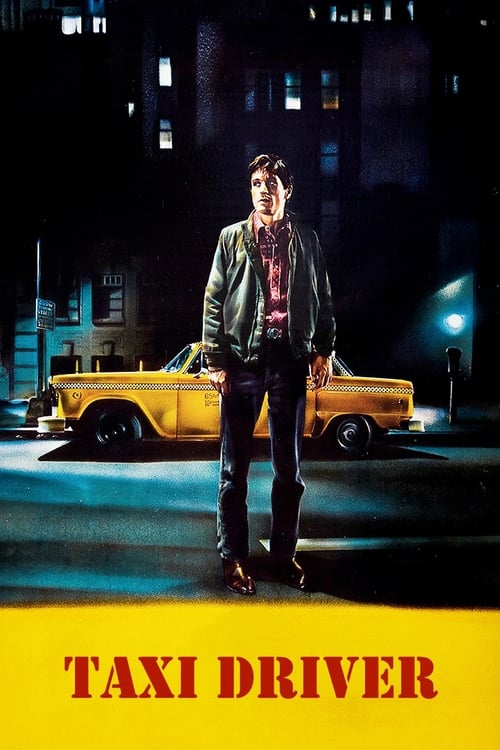
Taxi Driver
1976Martin Scorsese
On every street in every city, there’s a nobody who dreams of being a somebody.
Next pressure pass: This page is in strong shape. Add more authored context only if it serves a bigger lane.

Pulp Fiction
1994Quentin Tarantino
Just because you are a character doesn't mean you have character.
Next pressure pass: This page is in strong shape. Add more authored context only if it serves a bigger lane.
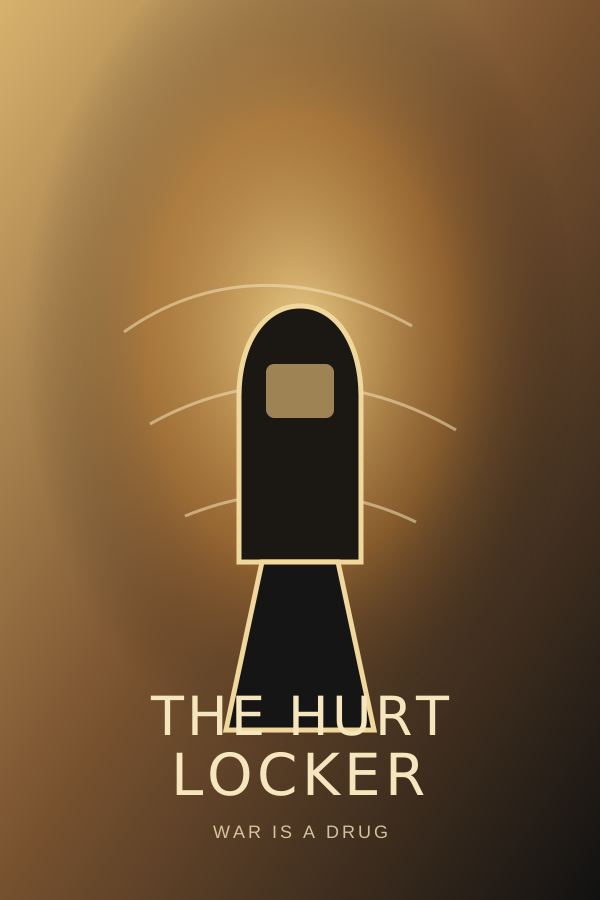
The Hurt Locker
2008Kathryn Bigelow
War is a drug.
Next pressure pass: Add an editorial argument card so the page can make a sharper case.
Directors
Director matches

Doug Liman
Indie friction smuggled into studio engines

Rob Reiner
Warm, actor-friendly storytelling with sharp comic timing and emotional clarity

Destin Daniel Cretton
Character-first pressure, chosen families, and spectacle anchored to emotional consequence

James Foley
Actor-forward pressure cookers where language becomes a weapon

Chris Sanders
Creature empathy, tactile movement, and family stories where belonging has to be earned
Articles
Editorial matches
The Godfather Part II and the Inheritance Trap at the Center of Power
Coppola’s sequel expands the family saga by showing how empire building and moral collapse can feel like the same process.
Raging Bull: When Formal Greatness Refuses to Save the Man at the Center
Scorsese’s boxing masterpiece hits so hard because it uses virtuosity to study a person who keeps turning love, work, and ambition into damage.
The Godfather Saga: How Coppola Redefined Epic Cinema
Francis Ford Coppola's masterpiece transformed the crime genre and established the template for modern epic filmmaking.
The Abyss and the Risky Beauty of Turning Industrial Pressure Into Contact Cinema
Cameron’s undersea epic stays alive because it never treats labor, machinery, and emotional damage as setup for the awe. They are the price of reaching it.
Blade and the Industrial Turn Where Comic-Book Cinema Learned to Move Mean
Blade matters because Stephen Norrington and Wesley Snipes proved a comic-book movie could be sleek, violent, and rhythmically confident without explaining itself to death.
The Social Network and the Violence of Turning Status Into a Product
Fincher and Sorkin make ambition move fast enough to feel intoxicating, then show how quickly that speed turns relationships into collateral.
Kill Bill: Vol. 1 and the High-Wire Pleasure of Turning Revenge Into Form
Kill Bill: Vol. 1 still rips because Tarantino treats genre citation as movement, not trivia, building a revenge movie that keeps changing shape without losing its line of attack.
North by Northwest and the Pleasure of Pure Cinematic Momentum
North by Northwest still feels fresh because Hitchcock treats mistaken identity as an excuse to build one of the great motion machines in studio-era cinema.
The Departed: A Remake That Wins by Getting Meaner, Hotter, and More American
Scorsese’s Boston pressure cooker works because it turns identity, class hostility, and institutional rot into one loud, filthy propulsion system.
Following and the First Draft of Nolan as a Surveillance Storyteller
Christopher Nolan’s debut is tiny in scale but already obsessed with looking, self-invention, and how easily curiosity turns into entrapment.
Crimson Tide and the Art of Turning Procedure Into Suspense
Tony Scott’s submarine thriller hits so hard because every command decision feels like a moral argument with launch codes attached.
Drive and the Thin Line Between Cool and Disappearance
Nicolas Winding Refn’s neo-noir holds because it turns style into a form of loneliness rather than a layer painted on top of the story.
Top Gun and the Moment Action Cinema Learned to Sell Speed as Personality
Tony Scott’s hit is more than a recruiting-poster object. It is a pure movie-star and rivalry machine built out of motion, heat, and attitude.
Blade Runner and the Melancholy of Manufactured Memory
Ridley Scott’s future-noir lasts because its atmosphere is not decoration, it is the emotional form of a movie about built lives and borrowed time.
Batman Begins and the Franchise Miracle of Rebuilding the Myth First
Before The Dark Knight became the prestige benchmark, Batman Begins did the harder job of making Batman dramatically credible again.
The Prestige and the Cost of Building a Life Around Winning
Christopher Nolan’s magic-rivalry thriller lands hardest when you stop treating it like a twist machine and start reading it as obsession cinema.
The Psychology Behind Fight Club: Modern Masculinity in Crisis
David Fincher's Fight Club remains a haunting exploration of male identity, consumer culture, and the search for meaning in modern society.
The Dark Knight: Order, Chaos, and the Hero's Moral Dilemma
How Christopher Nolan elevated superhero cinema by exploring the philosophical battle between Batman and the Joker.
Blade: The Film That Saved Marvel Comics
How Stephen Norrington's vampire hunter film rescued Marvel from bankruptcy and helped open the door to the superhero boom.