
Search
Find the right movie, director, article, or collection without falling into database sludge.
Find the strongest way into the room
Find the movie pressure, filmmaker system, shelf, or argument that fits the appetite.
Use the full search page when the question is bigger than a title: pressure rooms, control freaks, survival engines, record-collection movies, and the arguments that connect them.
Search pulse
Recommended route
A cleaner path through “death proof” than a flat result list.
Start with the highest-signal entry, then move through authorship, mood, or argument depending on what the search surfaced.
First click
1Death Proof
Quentin Tarantino · 2007 · Thriller. Start with the strongest title match, then branch into linked reads and collection lanes.
Then trace the author
2Paul W. S. Anderson
Game logic, industrial spaces, and franchise B-movie velocity Use the filmmaker page to turn one match into a working system across Mortal Kombat and Event Horizon.
Then read the argument
3Death Proof and the Dirty Fun of Letting a Hangout Movie Turn Into a Stunt Manifesto
A focused read tied to Death Proof: Death Proof has aged upward because its loose talk, abrasive structure, and practical-car violence all serve a movie that cares more about recoil, attitude, and physical cinema than consensus approval.
Refine this search pass
Movies
Movie matches
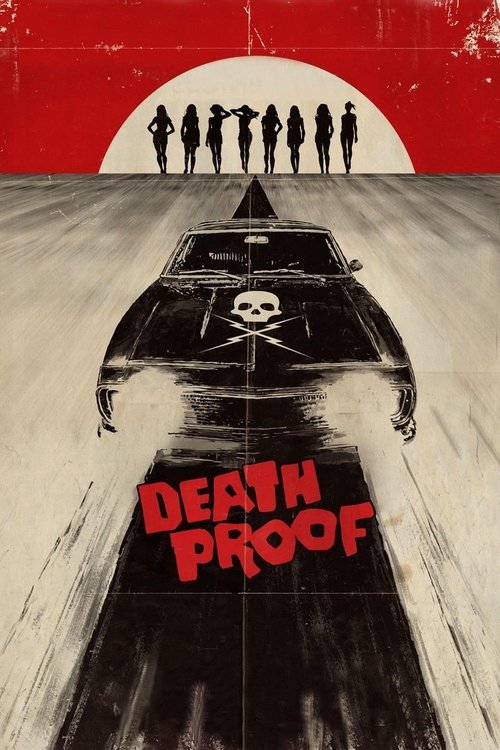
Death Proof
2007Quentin Tarantino
A crash course in revenge.
Next pressure pass: Place this title inside at least one collection for stronger discovery.
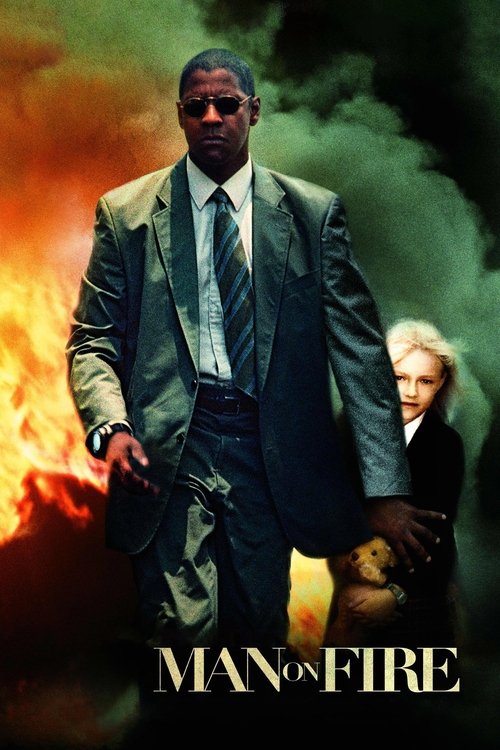
Man on Fire
2004Tony Scott
Creasy’s art is death, and he is about to paint his masterpiece.
Next pressure pass: This page is in strong shape. Add more authored context only if it serves a bigger lane.
The Hurt Locker
2008Kathryn Bigelow
War is a drug.
Next pressure pass: Add an editorial argument card so the page can make a sharper case.
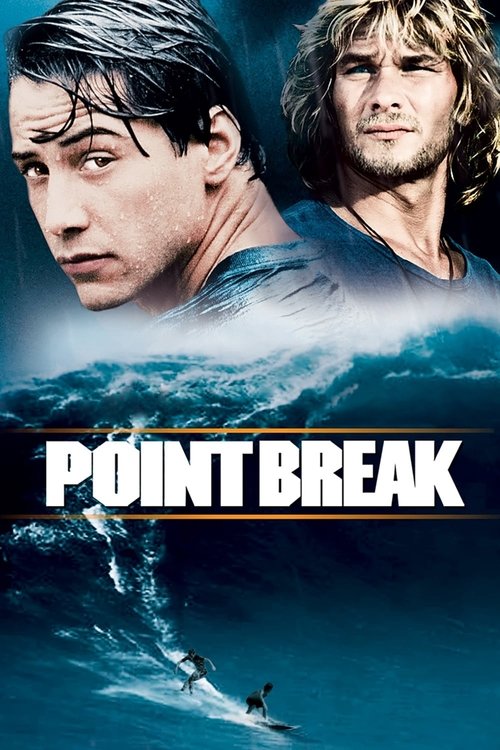
Point Break
1991Kathryn Bigelow
One cop. One surfer. One wave that does not let go.
Next pressure pass: Add an editorial argument card so the page can make a sharper case.
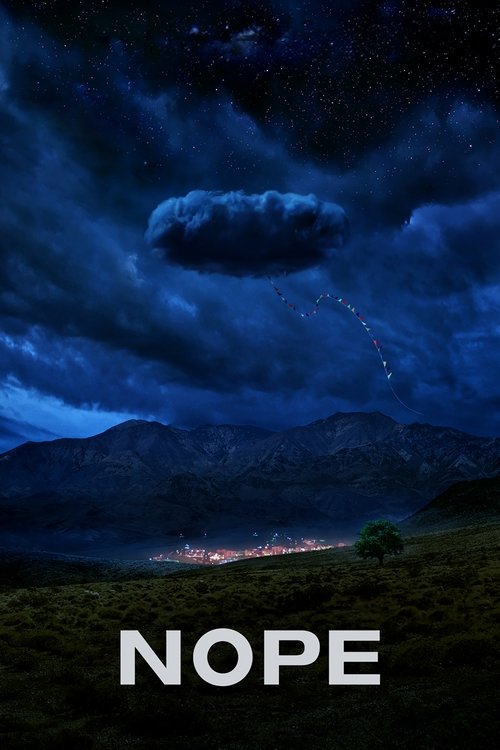
Nope
2022Jordan Peele
What’s a bad miracle?
Next pressure pass: Place this title inside at least one collection for stronger discovery.
Alien³
1992David Fincher
The bitch is back.
Next pressure pass: Place this title inside at least one collection for stronger discovery.
Directors
Director matches

Paul W. S. Anderson
Game logic, industrial spaces, and franchise B-movie velocity

Stephen Norrington
Industrial-goth genre energy built around attitude, velocity, and creature pressure
Articles
Editorial matches
Death Proof and the Dirty Fun of Letting a Hangout Movie Turn Into a Stunt Manifesto
Death Proof has aged upward because its loose talk, abrasive structure, and practical-car violence all serve a movie that cares more about recoil, attitude, and physical cinema than consensus approval.
Blade and the Industrial Turn Where Comic-Book Cinema Learned to Move Mean
Blade matters because Stephen Norrington and Wesley Snipes proved a comic-book movie could be sleek, violent, and rhythmically confident without explaining itself to death.
Aliens and the Brilliant Decision to Turn Survival Horror Into Platoon Panic
Cameron’s sequel works because it does not simply supersize Ridley Scott’s terror. It rebuilds the xenomorph threat around group collapse, siege pressure, and Ripley’s protective ferocity.
How Tarantino’s Later Films Trade Cool for Consequence
Jackie Brown, Kill Bill: Vol. 2, The Hateful Eight, and Once Upon a Time in Hollywood all reveal a filmmaker getting more interested in aftermath, drift, and emotional residue than in pure pop detonation.
Inglourious Basterds and the Thrill of Turning Language Into a Weapon
Tarantino’s war fantasia works because the suspense is not built on firefights first. It is built on who can control the room, the accent, the cover story, and the next sentence.
Nope and the Cost of Turning Awe Into a Product
Jordan Peele’s sky-horror epic works because it treats spectacle as labor, danger, and appetite all at once.
Psycho and the Terrifying Precision of Making the Audience Lose Its Footing
Psycho still cuts so deep because Hitchcock keeps changing the rules of the movie while making every new rule feel inevitable after the fact.
Rear Window and the Suspense of Watching Too Closely
Rear Window turns voyeurism into suspense because Hitchcock understands that looking is never passive once desire, guilt, and curiosity start mixing together.
Taxi Driver and the Danger of Letting Alienation Curdle Into Mission
Scorsese’s landmark stays unnerving because it never treats Travis Bickle as a puzzle to solve. It traps us inside a worldview rotting in real time.
Unstoppable and the Pleasure of Watching Professionals Beat the Clock
Tony Scott’s runaway-train thriller works because it treats labor, timing, and practical nerve as a full spectacle system instead of background realism.
The Thing and the Paranoia Engine of Never Knowing Who Has Changed
John Carpenter’s Antarctic horror masterpiece endures because every creature effect is attached to distrust, isolation, and the collapse of group logic.