
Search
Find the right movie, director, article, or collection without falling into database sludge.
Find the strongest way into the room
Find the movie pressure, filmmaker system, shelf, or argument that fits the appetite.
Use the full search page when the question is bigger than a title: pressure rooms, control freaks, survival engines, record-collection movies, and the arguments that connect them.
Search pulse
Recommended route
A cleaner path through “little woods” than a flat result list.
Start with the highest-signal entry, then move through authorship, mood, or argument depending on what the search surfaced.
First click
1Little Women
Greta Gerwig · 2019 · Drama. Start with the strongest title match, then branch into linked reads and collection lanes.
Then trace the author
2Nia DaCosta
Genre inheritance, Black folklore, body pressure, and images that ask who profits from the wound Use the filmmaker page to turn one match into a working system across Little Woods and Candyman.
Then widen the mood
3Becoming and Authorship
Movies about identity under construction, feminine self-authorship, and the pressure to turn feeling, ambition, and image into a life.
Refine this search pass
Movies
Movie matches
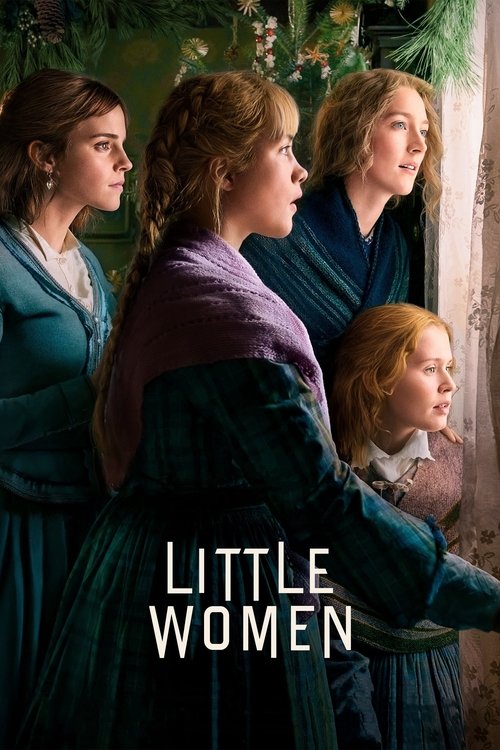
Little Women
2019Greta Gerwig
Own your story.
Next pressure pass: This page is in strong shape. Add more authored context only if it serves a bigger lane.

The Virgin Suicides
1999Sofia Coppola
Suburbia as a sealed room, memory as the unreliable narrator.
Next pressure pass: Add an editorial argument card so the page can make a sharper case.
Directors
Director matches

Nia DaCosta
Genre inheritance, Black folklore, body pressure, and images that ask who profits from the wound

Greta Gerwig
Authentic feminine perspectives with wit and warmth

John Carpenter
Synth-driven genre minimalism with siege tension and anti-authority bite
Articles
Editorial matches
Little Women and the Price of Turning a Life Into an Ending
Greta Gerwig’s adaptation becomes great by refusing to separate romance, money, authorship, and the pressure to make a satisfying story out of a complicated life.
Jackie Brown and the Quiet Thrill of Watching Adults Feel Time Closing In
Tarantino’s warmest movie lasts because swagger gives way to patience, compromise, and the ache of people trying to buy back a little room to breathe.
The Fifth Element and the Confidence of Treating Worldbuilding Excess as the Whole Point
Luc Besson’s sci-fi oddity still works because it refuses to apologize for tonal collision, costume overload, and pop-opera futurism.
The Hateful Eight and the Decision to Make the Whole Room Feel Spiritually Uninhabitable
Tarantino’s snowbound chamber piece matters because it traps performance, prejudice, and national rot together until suspicion itself becomes the atmosphere.
Death Proof and the Dirty Fun of Letting a Hangout Movie Turn Into a Stunt Manifesto
Death Proof has aged upward because its loose talk, abrasive structure, and practical-car violence all serve a movie that cares more about recoil, attitude, and physical cinema than consensus approval.
Halloween and the Power of Stripping Horror to Its Nerves
Halloween works because Carpenter removes almost everything nonessential and lets rhythm, space, and dread do the killing.
Raging Bull: When Formal Greatness Refuses to Save the Man at the Center
Scorsese’s boxing masterpiece hits so hard because it uses virtuosity to study a person who keeps turning love, work, and ambition into damage.
Dunkirk and the Power of Treating Survival as Pure Duration
Dunkirk strips war-movie psychology down to time, space, and immediate peril, then finds feeling inside the compression.
Oppenheimer and the Chain Reaction of Consequence
Nolan’s historical drama feels so alive because it treats hearings, conversations, and scientific breakthroughs like stages of the same moral detonation.
Collections
Collection matches
Becoming and Authorship
Movies about identity under construction, feminine self-authorship, and the pressure to turn feeling, ambition, and image into a life.
Women-Directed Pressure Rooms
Women-directed films where genre, image, bodies, and self-invention become pressure systems instead of soft-focus sidebars.